
Thrissur: Cultural Capital and Historic City in Kerala
Thrissur is a city and district in Kerala, India, renowned for the Vadakkumnathan Temple, the Thrissur Pooram festival, rich performing arts traditions, and historical ties to the Kingdom of Cochin.
Overview
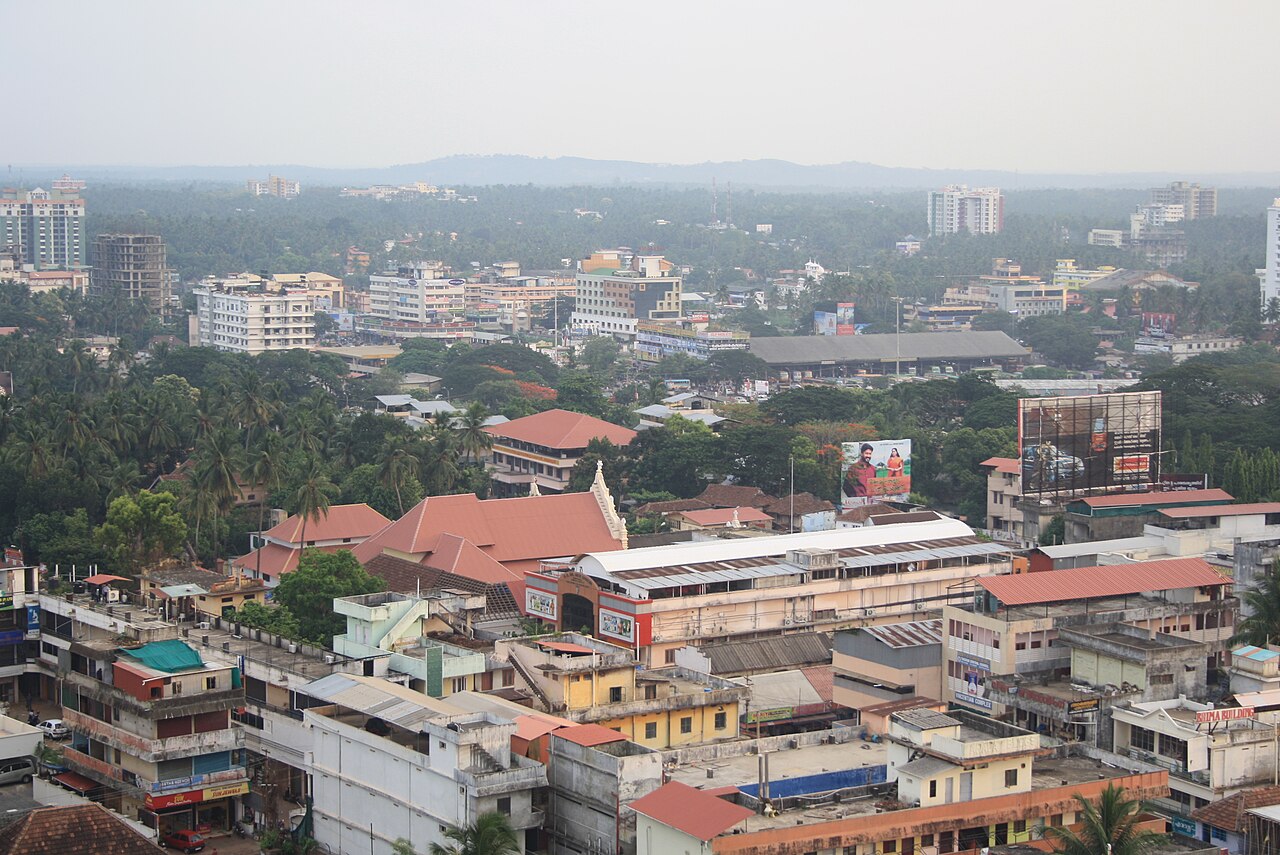
Thrissur is a major city and the administrative centre of a district in the south Indian state of Kerala, situated in southwest India. The city grew around a central temple complex and a historic open ground that together form a focal point for religious, social and civic life. Often described as the cultural capital of Kerala, Thrissur combines religious landmarks, markets, educational institutions and cultural organisations within a compact urban and suburban area. The city is located roughly 300 kilometres from the state capital, Thiruvananthapuram, and serves as a regional hub for trade, publishing and the performing arts.
Image gallery
10 Images


History and heritage
Thrissur's history is closely linked to the rulers of the Kingdom of Cochin and to the commercial networks of the Malabar coast. The urban settlement developed around the Vadakkumnathan Temple, dedicated to Lord Shiva, and benefitted from royal patronage, religious institutions and trade. Archaeological finds and preserved monuments in the district attest to long-standing settlement and cultural exchange; scholarly work and local heritage projects continue to document these remains and their context in regional history (archaeology).
Temple, ritual and festivals
The Vadakkumnathan Temple occupies the historic centre of the city and is a key focus for ritual life. Thrissur is best known for the annual Thrissur Pooram festival, a large temple event noted for elaborate elephant processions, coordinated percussion ensembles, ornamental parasols, and fireworks. The festival attracts thousands of visitors and participants from across the state and beyond. Rituals, temple arts and related crafts are part of everyday cultural expression and draw practitioners and audiences to the city throughout the year.
Performing arts and culture
Thrissur has a long-established reputation for preserving and promoting Kerala's performing arts, including classical dance, music and percussion forms. Traditional ensembles such as chenda melam and other percussion-driven performances are commonly heard during festivals and temple ceremonies. The city supports a network of training centres, cultural organisations, libraries and publishing houses that sustain languages, literature and performing arts; these institutions help maintain Thrissur's identity as a centre for cultural learning and performance (culture).
Economy and civic life
The local economy combines commerce, services, small-scale industry and agriculture-related trade. Thrissur is well known for busy markets and a concentration of jewellery and textile trade; banking and finance services are also significant in the urban economy. Civic life is animated by frequent cultural events, religious observances, fairs and educational activities that draw visitors, students and traders, giving the city a lively public calendar throughout the year.
Education, research and institutions
Educational and research institutions in and around Thrissur include colleges, seminaries and arts schools that teach traditional and modern subjects. These institutions contribute to a scholarly environment with a focus on literature, fine arts, music and vocational training. Museums, public libraries and cultural archives in the district preserve manuscripts, performance recordings and material culture related to the region's social and artistic history.
Transport and access
Thrissur is connected by road and rail to other parts of Kerala and neighbouring states, making it accessible for pilgrims, students and tourists. The nearest major airports serving the region operate from the greater Kochi area, providing domestic and international connections. Local transport combines buses, taxis and rail services that link the city centre with suburban and rural parts of the district.
Places of interest
- Vadakkumnathan Temple: The historic Shiva temple around which the city developed and which plays a central role in rituals and festivals.
- Thrissur Pooram: The principal annual festival, celebrated with percussion, elephant processions and public spectacle.
- Museums and libraries: Institutions that preserve regional art, manuscripts and records of local history and performance traditions.
- Markets and commerce: Concentrations of jewellery, textiles and local trade that reflect the city’s commercial role.
For general context on the state's culture and governance see resources on Kerala and for broader regional background consult materials on southwest India. Research and documentation of heritage sites and finds are available through studies in archaeology, while discussions of artistic practices and institutions can be explored via overviews of culture. Additional information about the region's administration and capital city can be obtained from sources that describe Thiruvananthapuram.
Related articles
Author
AlegsaOnline.com Thrissur: Cultural Capital and Historic City in Kerala Leandro Alegsa
URL: https://en.alegsaonline.com/art/99669