
Tirthankara: Teachers of Liberation in Jain Tradition
A comprehensive overview of tirthankaras — the enlightened teachers in Jainism — their role, characteristics, historic cycle, teachings, iconography and continuing significance.
Overview
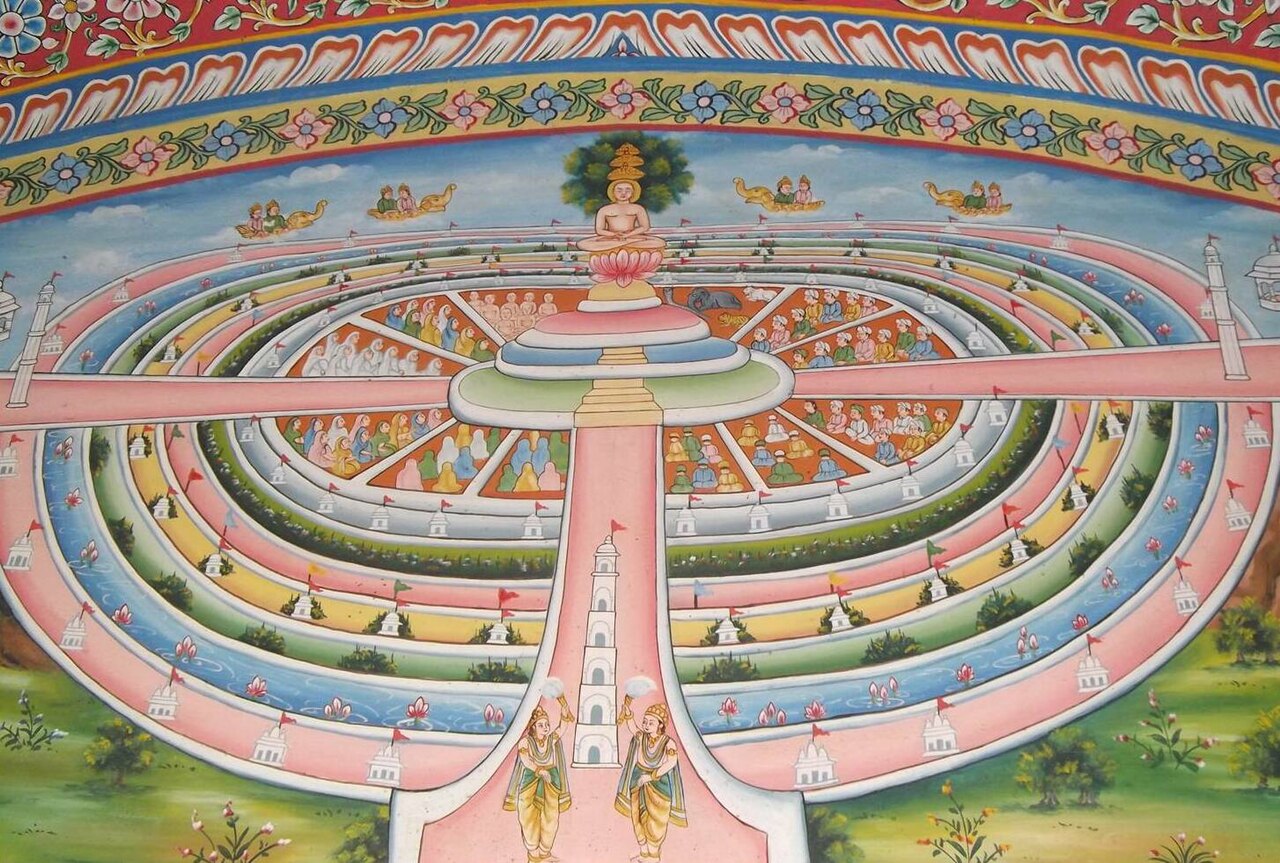
In Jain tradition a tirthankara (Sanskrit tīrthaṅkara) is an enlightened teacher who rediscovers and re-establishes the path to liberation from saṃsāra, the cycle of birth and death. The term is often rendered as "ford-maker" or "bridge-builder," indicating a person who makes a crossing possible for others. Tirthankaras are regarded as perfect exemplars: they have overcome inner passions and attained kevala jñāna (omniscience). After such realization they teach ethical and philosophical principles that allow others to pursue mokṣa (liberation).
Image gallery
10 Images





Doctrine and role
Tirthankaras are not creators or gods in a theistic sense; within Jain cosmology they are liberated or liberating beings who reveal eternal truths about the nature of the soul, karma and non-violence. They are also called jina, meaning "victor," because they conquer internal enemies such as anger, attachment, pride and greed. Their teachings emphasize ahimsa (non-violence), satya (truthfulness), aparigraha (non-possessiveness) and disciplined conduct.
Key qualities associated with a tirthankara include:
- Kevala jñāna — absolute knowledge or omniscience reached by purification of the soul.
- Perfect detachment — freedom from passions and personal desires.
- Teaching activity — providing a systematic path (dharma) that others may follow toward liberation.
Cycle, numbers, and historical notes
Jain cosmology divides time into repeating cycles. In each half-cycle, it is traditionally held that exactly twenty-four tirthankaras appear. These figures range from mythic and archetypal teachers in ancient epochs to historically attested individuals in later times. The first tirthankara of the present time cycle is Rishabhanatha, credited in tradition with introducing various arts and social practices. The twenty-third, Parśvanātha, and the twenty-fourth, Mahāvīra (often dated to the 6th century BCE), are usually regarded as historical figures. The tirthankaras’ teachings are said to be consistent across ages; after periods of decline or forgetfulness a tirthankara revives and clarifies the path.
Scriptures and teachings
The teachings of tirthankaras form the basis of Jain scriptures. In the Śvetāmbara tradition these teachings were transmitted and eventually compiled as the Āgamas, while the Śrāvakā/Śvetāmbara and Digambara traditions differ in canonical texts and interpretive emphases. Regardless of sect, the central moral and philosophical claims — about karma, asceticism, and liberation — remain constant.
Iconography and worship
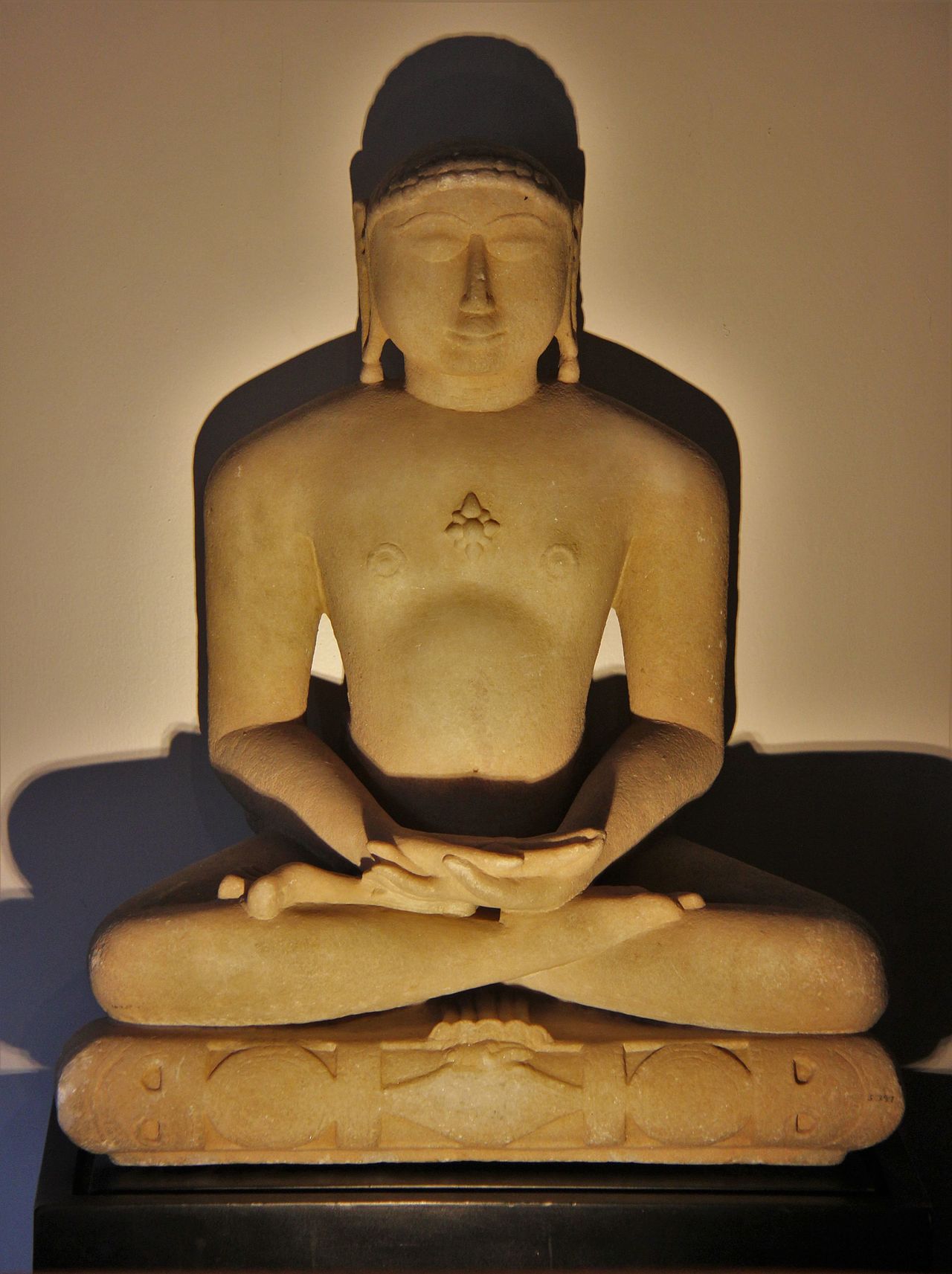
Tirthankaras are represented in Jain art and worship by serene, often stylized images. Common postures include seated meditation (dhyaṇamudrā) and the standing kayotsarga (a posture of renunciation). Each tirthankara is associated with an emblem or lanchhana and often with attendant deities (yakṣa and yakṣī) in later devotional practice. While Jains venerate tirthankaras through rituals, festivals and temple worship, the devotional respect is aimed at spiritual inspiration rather than propitiation of a creator god.
Distinctive importance
Tirthankaras function as moral and spiritual exemplars whose lives and teachings structure Jain identity and practice. They bridge metaphysical doctrines and everyday ethics, linking abstract principles such as non-violence and non-attachment to concrete disciplines of fasting, meditation and right conduct. For further context on the religion that preserves these teachings see Jainism, for the linguistic origin of the term see the Sanskrit term tīrthaṅkara, and for information on the most recent historic figure in this lineage see Mahāvīra.
Because tirthankaras are presented as teachers rather than supernatural rulers, their authority in Jain communities is moral and exemplificatory: followers draw on their lives and sermons to guide practice, scholarship and temple culture across centuries.
Questions and answers
Q: What is a tirthankara in Jainism?
A: A tirthankara in Jainism is an all knowing Teaching God who teaches the path to liberation from the cycle of births and deaths, called saṃsāra.
Q: How many tirthankaras grace this part of the universe in each half of the Jain time cycle?
A: Exactly twenty-four tirthankaras grace this part of the universe in each half of the Jain time cycle.
Q: Who was the first tirthankara?
A: The first tirthankara was Rishabhanatha, who is said to have taught men various arts and professions including agriculture.
Q: Who was the 24th and last tirthankara of present half-cycle?
A: The 24th and last tirthankara of present half-cycle was Mahavira (599-527 BC).
Q: What are Tirthankaras' teachings compiled as?
A: Tirthankaras' teachings are compiled as scriptures called Agamas.
Q: Are Tithrankaras worshiped by Jains only?
A: No, while Tithrankaras are worshiped by Jains, their grace is said to be available for all living beings, regardless of religious orientation.
Q: What does it mean when someone has conquered inner enemies such as anger, attachment, pride and greed?
A: When someone has conquered inner enemies such as anger, attachment, pride and greed they are referred to as a "Jina" which means one who has conquered these inner enemies.
Related articles
Author
AlegsaOnline.com Tirthankara: Teachers of Liberation in Jain Tradition Leandro Alegsa
URL: https://en.alegsaonline.com/art/100076
Sources
- books.google.com : Jains in the World: Religious Values and Ideology in India
- books.google.com : The Jains · archive.org
- books.google.com : Acarya Samantabhadra's Svayambhustotra: Adoration of The Twenty-four Tirthankara
- books.google.com : Acharya Umasvami's Tattvarthsutra
- books.google.com : Indian Heritage and Culture
- books.google.com : Aspects of Jaina religion
- books.google.com : Jainism: The World of Conquerors
- books.google.com : A history of ancient and early medieval India : from the Stone Age to the 12th century
- books.google.com : A Dictionary of Philosophy of Religion
- books.google.com : The A to Z of Jainism · archive.org