
Three First National Plaza — Chicago office skyscraper
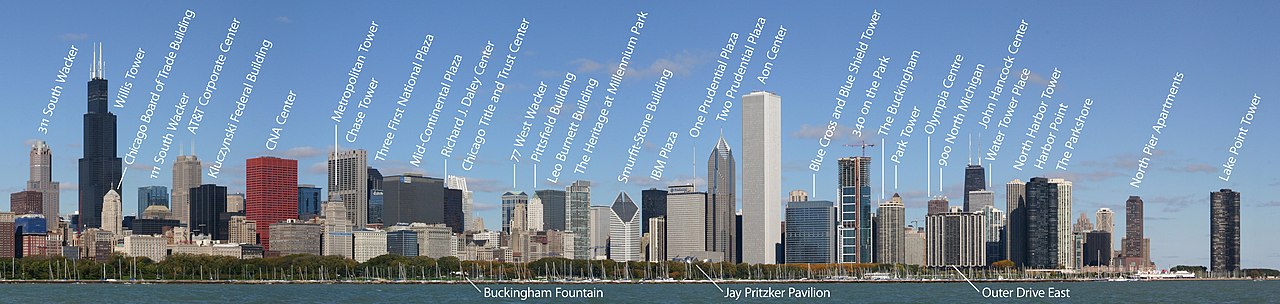
Three First National Plaza is a 234 m (767 ft), 57‑floor office skyscraper in downtown Chicago, completed in 1981. It forms part of the city's late‑20th‑century commercial skyline.
Overview
Three First National Plaza is a prominent office skyscraper in downtown Chicago. Rising to about 234 meters (767 feet) with 57 floors, it was completed in 1981 and has since been a visible element of the city's commercial core. For official listings and specifications see building information and for municipal references consult the city records at Chicago sources.
Image gallery
5 Images


Design and physical characteristics
The building reflects the corporate high‑rise character common to late 20th‑century American cities: a tall, steel‑framed tower with a glazed exterior and an articulated base that addresses the street. Interiors are configured largely for office use, with stacked floorplates, elevator cores and a ground‑level lobby and retail areas that connect to the pedestrian environment. Structural and mechanical systems follow conventions for buildings of its era, balancing tenant flexibility with efficient vertical circulation.
Three First National Plaza was developed as part of downtown commercial growth in the late 1970s and early 1980s and opened to tenants in 1981. Its construction coincided with a period of sustained office development in Chicago and other major U.S. cities, when financial institutions and corporations expanded central business districts. For contemporary accounts of its construction date see period references.
Today the tower functions primarily as Class A office space, housing a mix of corporate tenants, professional services and street‑level commerce. While not the tallest in Chicago, it contributes to the layered skyline that includes a range of taller and older landmarks. Its presence helps define the streetscape and supports the concentration of employment and services in the central business district.
Notable facts and context
- Height: approximately 234 m (767 ft).
- Floors: 57 above ground.
- Completion year: 1981, part of late‑20th‑century downtown development.
- Primary use: office tower with ground‑floor retail and lobby spaces.
For researchers, planners or visitors seeking further detail about tenancy, architectural attribution or engineering, the linked resources above provide starting points: the building's official listing (details), municipal records (city information) and historical references from the time of completion (1981 sources). The tower remains an example of the corporate high‑rise typology that shaped many American downtowns in the late 20th century.
Related articles
Author
AlegsaOnline.com Three First National Plaza — Chicago office skyscraper Leandro Alegsa
URL: https://en.alegsaonline.com/art/99639