
Third baseman (baseball position)
In baseball, the third baseman defends the area around third base, requiring quick reaction, strong throwing arm, and ability to field hard-hit balls and start or participate in double plays.
Overview
A third baseman is a defensive player in baseball who covers the area near third base. Positioned on the left side of the infield, the third baseman handles ground balls, bunts, line drives and throws across the diamond to first or second base. Because of the proximity to the batter, plays at this position are often fast and require split-second decisions.
Image gallery
1 Image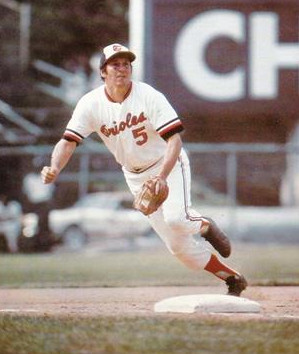
Primary responsibilities
Key duties include fielding grounders down the third-base line, charging slow rollers, catching foul pop-ups, and covering third base on steals or pick-off attempts. On many plays the third baseman must make long, accurate throws to first base or strong, quick tosses to second base to complete double plays.
Skills and attributes
Successful third basemen combine quick reflexes, lateral agility, and a strong arm. They need soft hands to handle sharply hit balls and the range to react to bunts and choppers. Mental skills — anticipation, positioning, and communication with the shortstop and pitcher — are also important. Some players at this position contribute significant offense, but defensive competence remains the priority.
Equipment and techniques
A third baseman usually uses an infield glove with a shallow pocket for quick transfers. Footwork, proper glove angle, and rapid releases improve throw times. Coaches emphasize drills that sharpen reflexes and reaction time; resources for training and drills are often available through coaching guides and specialized programs (see training methods).
History and tactical role
The position evolved as infield play and batting styles changed. Historically, third base has been called a "hot corner" because many batted balls reach it at high speed. Tactical roles vary: in some systems the third baseman acts aggressively on bunts and slow rollers, while in others positioning is adjusted for pull hitters or defensive shifts.
Notable facts and distinctions
- Because of the long throw to first and occasional throws to second, arm strength is a premium skill.
- Third base differs from shortstop in range and typical throw angles; compared with the left side of the infield it demands quicker reflexes due to the batter’s proximity.
- The third baseman often coordinates with the shortstop on double plays and bunt coverage (double play tactics).
For introductory rules and field diagrams consult general baseball resources and coaching materials; for drills that develop reaction time and arm strength see specialized training references (training, double-play technique).
Author
AlegsaOnline.com Third baseman (baseball position) Leandro Alegsa
URL: https://en.alegsaonline.com/art/99393