
Thimphu District: Bhutan’s administrative and cultural heart
Overview of Thimphu District (Thimphu Dzongkhag), its geography, administration, cultural landmarks, history, and significance within Bhutan.
Overview
Thimphu District (Thimphu Dzongkhag) lies in western Bhutan and contains the national capital and largest urban centre. The district serves as the primary seat of government, national institutions and many cultural organisations. For general location reference see coordinates and the country-level context at Bhutan. The district’s administrative centre is the city of Thimphu, which is also the kingdom’s capital and is often the first destination for visitors arriving by air at Paro.
Image gallery
8 Images




Geography and administration
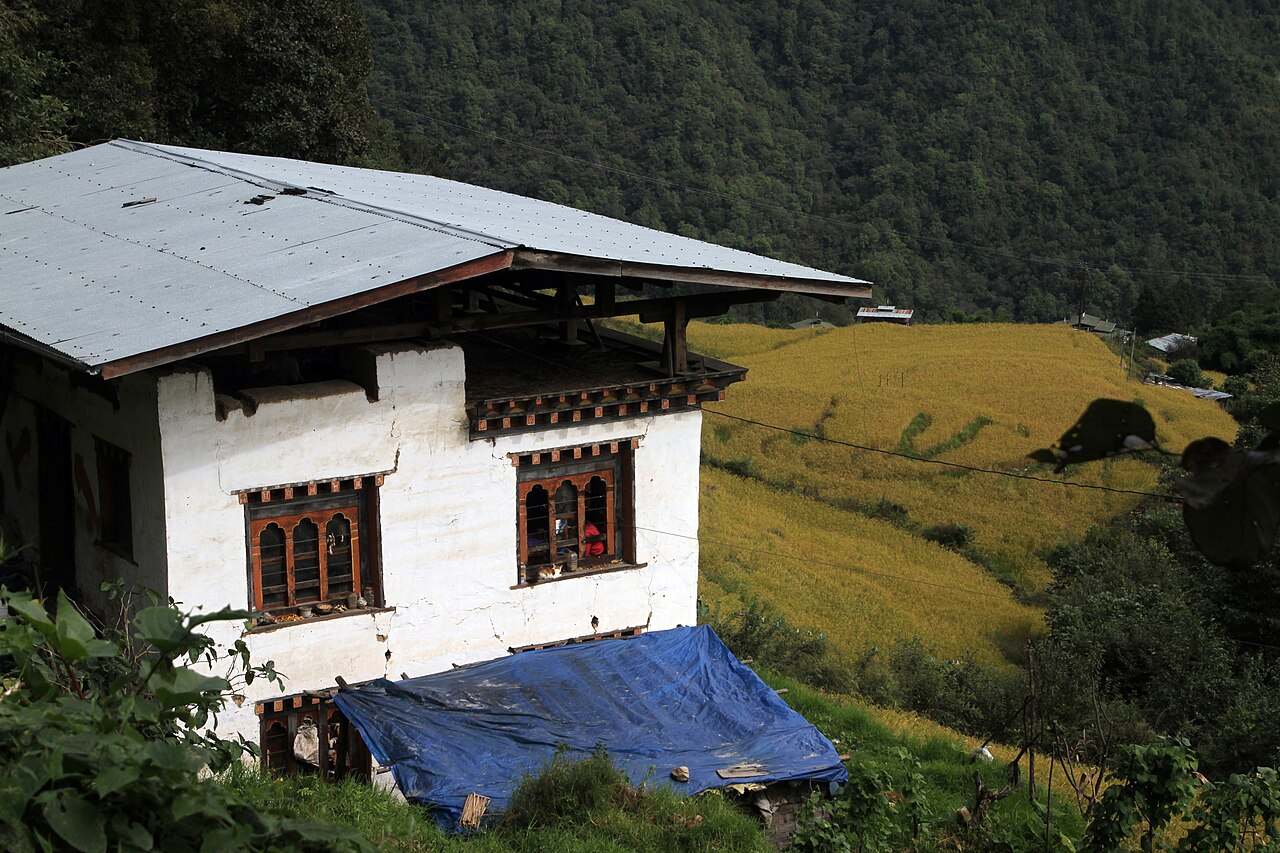
Thimphu occupies a high-altitude valley carved by the river that runs through the capital and is surrounded by steep forested hills. The landscape combines urban neighbourhoods, cleared terraces and extensive alpine and subalpine terrain at higher elevations. Administratively the dzongkhag is subdivided into eight gewogs (village blocks), which cover rural villages, pasturelands and protected areas. The district connects with neighbouring dzongkhags by a network of mountain roads; the closest international air access is through Paro airport.
History and cultural role
Historically the Thimphu valley was an important local centre of trade and monastic activity. In the mid‑20th century the city was developed into the modern capital and became the focus for new government institutions, education and infrastructure. Religious life remains prominent: monasteries, dzongs (fortress-monasteries) and temples play a central role in daily life and annual religious festivals.
Landmarks and attractions
- Tashichho Dzong and other dzongs that house monastic bodies and government offices.
- Prominent religious monuments and memorial chortens, traditional markets and museums focused on art, textiles and history.
- The large Buddha statue on Kuenselphodrang ridge and viewpoints overlooking the valley.
Visitors often attend the Thimphu Tsechu, a major annual festival, and explore craft centres and weekend markets. The district blends modern administration with preserved cultural practices and traditional architecture.
Economy and infrastructure
The district’s economy mixes public administration, services, tourism and small-scale agriculture. Government offices, diplomatic missions and national cultural institutions drive much economic activity in the capital, while rural gewogs rely on agriculture, livestock and community resources. Transport is centered on mountain roads; many national services and educational institutions are based in Thimphu city.
Notable facts and distinctions
Thimphu District is notable for hosting the nation’s political institutions, major cultural sites and a concentration of population and services uncommon elsewhere in Bhutan. The capital’s development has been shaped by efforts to balance modernization with preservation of traditional values, architecture and the environment. Further information specific to the city is available through local administrative pages such as Thimphu (city).
Questions and answers
Q: What are the coordinates for Thimphu District in Bhutan?
A: The coordinates for Thimphu District in Bhutan are 27°35′N 89°35′E.
Q: How many districts are there in Bhutan?
A: There are 20 districts in Bhutan.
Q: What is the administrative center of Thimphu District?
A: The administrative center of Thimphu District is Thimphu.
Q: What is the capital of Bhutan?
A: The capital of Bhutan is Thimphu.
Q: Is Thimphu the largest city in Bhutan?
A: Yes, Thimphu is the largest city in the whole kingdom of Bhutan.
Q: How many village blocks are there in Thimphu District?
A: There are eight village blocks in Thimphu District.
Q: What is the significance of Thimphu District?
A: Thimphu District is one of the 20 districts in Bhutan and the administrative center is Thimphu, which is also the capital and largest city in Bhutan.
Related articles
Author
AlegsaOnline.com Thimphu District: Bhutan’s administrative and cultural heart Leandro Alegsa
URL: https://en.alegsaonline.com/art/99371