
Beaumetz-lès-Cambrai, commune in Pas-de-Calais, northern France
Beaumetz-lès-Cambrai is a small rural commune in Pas-de-Calais, northern France. Historically part of Nord-Pas-de-Calais and affected by World War I, it is characterized by agriculture and proximity to Cambrai.
Beaumetz-lès-Cambrai is a small rural commune located in the Pas-de-Calais area of northern France. For decades it was administered within the former region Nord-Pas-de-Calais; since the 2016 territorial reform the locality belongs to the broader administrative region Hauts-de-France. The village serves as a modest local centre for surrounding farms and hamlets.
Image gallery
2 Images
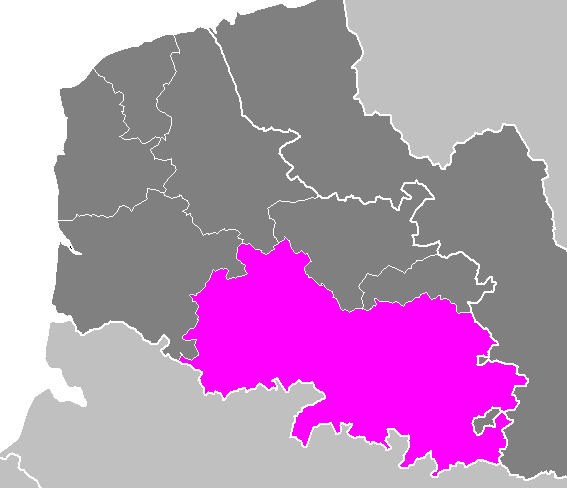
Geography and character
The landscape around Beaumetz-lès-Cambrai is typical of the inland sections of the region: open arable fields, hedgerows, occasional copses and gently rolling terrain. Settlement consists of a compact village core with residential houses, a parish church and public buildings; beyond that are dispersed farmsteads and minor lanes linking to nearby towns.
Typical features
- Predominantly agricultural economy focused on crops and mixed farming.
- Quiet rural road network connecting to regional markets and services.
- Local architecture combining traditional stone or brick farm buildings and post-war reconstruction in places.
History
The community has medieval origins like many villages in the area and developed around local agriculture. In the early 20th century the territory of Beaumetz-lès-Cambrai and its surroundings were affected by the fighting of World War I: the nearby city of Cambrai was the scene of major engagements and many villages experienced damage and subsequent rebuilding. Traces of that period remain in the landscape and memorials found in the region.
Administration, name and links
Administratively the village is part of the Pas-de-Calais department and governed by a municipal council within the departmental framework; further departmental information may be found through local authorities and guides to the department. The suffix "-lès-Cambrai" means "near Cambrai," indicating the locality's traditional orientation toward the nearby market town and city of Cambrai.
Economy, culture and visiting
Beaumetz-lès-Cambrai attracts visitors mainly for countryside walks, quiet village life and an interest in regional history. Agriculture remains the economic backbone while small local associations sustain cultural and communal events. Its situation in northern France makes it accessible for day trips from larger towns and a point of reference for exploring the rural heritage of the area.
Related articles
Author
AlegsaOnline.com Beaumetz-lès-Cambrai, commune in Pas-de-Calais, northern France Leandro Alegsa
URL: https://en.alegsaonline.com/art/9899