
The Seven Samurai (1954 film)
Akira Kurosawa's 1954 epic samurai film about a village that hires seven ronin for protection. Celebrated for direction, performances, cinematography, and its lasting influence on world cinema.
Overview
The Seven Samurai is a 1954 Japanese epic film written and directed by Akira Kurosawa. Set in the Sengoku period, it follows a poor farming village that hires seven masterless samurai (ronin) to defend itself from repeated bandit raids. The film is widely regarded as a landmark of Japanese cinema and a major international influence on action storytelling.
Image gallery
10 Images






Plot and characters
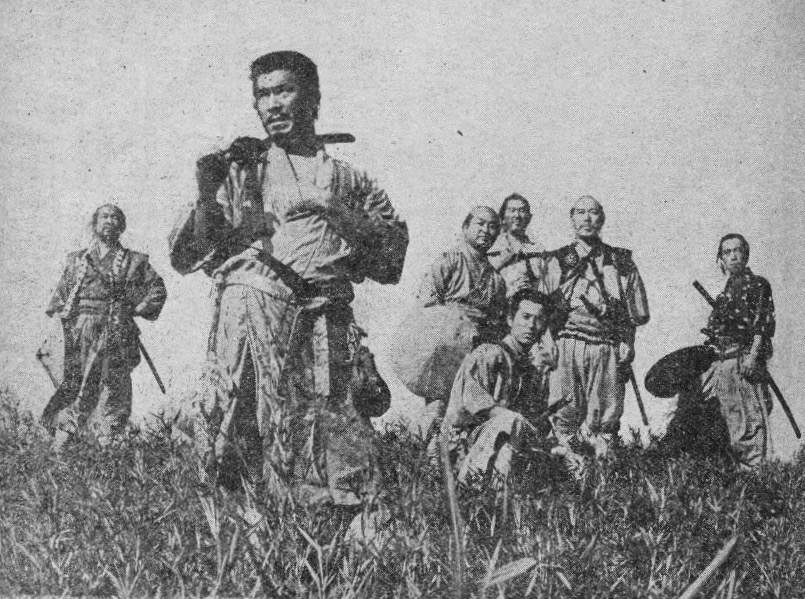
The narrative centers on the villagers' struggle to survive and the samurai who accept, train, and ultimately protect them. The ensemble cast includes both veteran and younger actors whose performances balance strategy, sacrifice, and human vulnerability. Character types range from hardened warriors to reluctant youths, giving the story both tactical and personal dimensions.
Production and style
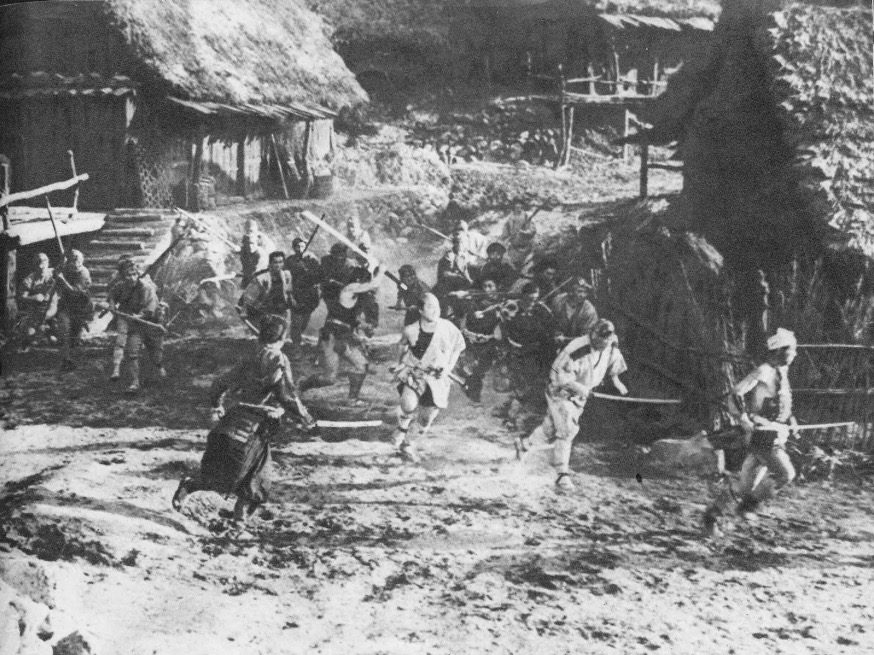
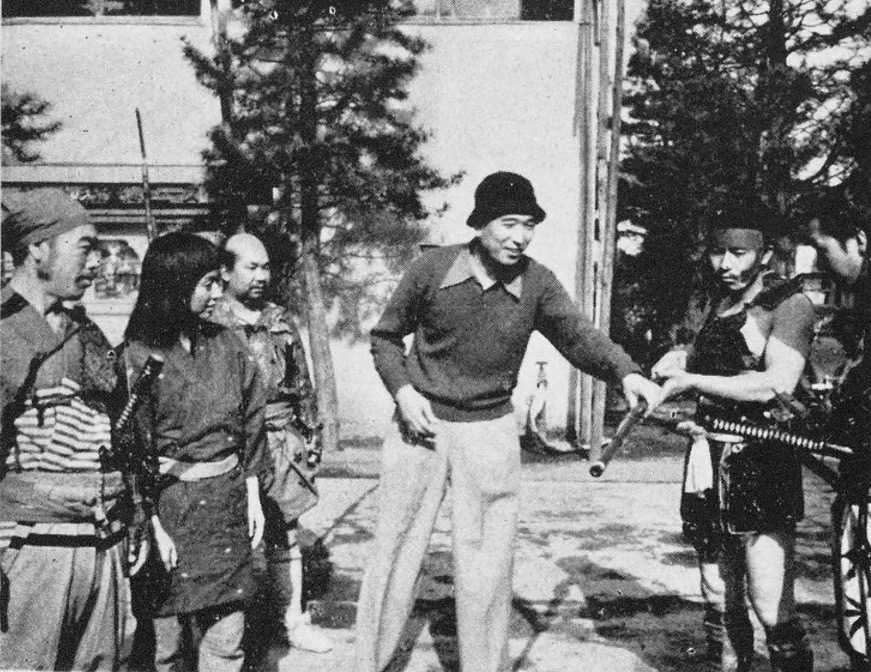
Shot in black-and-white with dynamic camera movement and careful staging, the film is notable for its kinetic battle sequences, layered composition, and use of weather and landscape to convey mood. The director's collaboration with actors, a strong musical score, and purposeful editing produce a rhythm that alternates planning, training, and confrontation.
Key aspects
- Ensemble storytelling that balances community and individual arcs.
- Extended action set pieces that influenced later genre filmmaking.
- Attention to costume, choreography, and period detail that grounds the drama.
Reception and legacy
On release it earned critical acclaim and has been reappraised by successive generations as one of Kurosawa's greatest achievements. Its structure and themes — honor, leadership, social obligation, and tactical improvisation — inspired filmmakers worldwide and led to adaptations and remakes in other cultures, most famously a Western reinterpretation. For readers seeking context on Japanese film history or samurai cinema, see broader resources on Japanese cinema and the samurai film tradition.
Related articles
Author
AlegsaOnline.com The Seven Samurai (1954 film) Leandro Alegsa
URL: https://en.alegsaonline.com/art/98805
Sources
- books.google.com : Stray Dogs & Lone Wolves: the Samurai Film Handbook, p. 57.