
The Sheik (1921 film)
A 1921 silent romantic drama that made Rudolph Valentino a screen idol; directed by George Melford and adapted from E. M. Hull’s novel, noted for its exoticism and mixed contemporary reception.
The Sheik is a 1921 silent romantic drama directed by George Melford. Adapted from the popular 1919 novel by Edith Maude Hull, the film tells the story of a young British woman who is abducted by an Arab chieftain and, after a period in his desert encampment, comes to reciprocate his passionate, if controversial, affection. The picture established Rudolph Valentino as one of Hollywood’s first international sex symbols and became a defining example of early 1920s melodrama.
Image gallery
4 Images
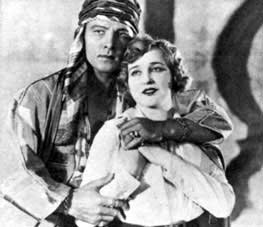


Plot and principal elements
The narrative centers on themes of romance, cultural otherness and personal transformation. As a silent feature it uses expressive close-ups, intertitles and dramatic staging to convey emotion without synchronous dialogue. Costumes, set design and lighting were employed to underline the story’s exotic setting and to heighten the romantic fantasy that attracted many contemporary audience members.
Production and style
Produced during the studio era of early American cinema, the film relies on stylized imagery typical of the period: painted backdrops, studio-built desert sequences and theatrical performances adapted for the camera. Valentino’s physical presence, his wardrobe and his on-screen manner contributed to a new screen persona that the trade press and fans immediately labeled as alluring and modern.
Reception and cultural impact
Contemporary reaction was divided. While the film proved enormously popular with female moviegoers and launched Valentino into stardom, many critics and male viewers were less approving—some objected to the melodramatic plotting or the eroticized depiction of the male lead. Over time the movie influenced fashion, celebrity culture and the ‘‘romantic exotic’’ trope in Western cinema; it also led to further films featuring Valentino in similar romantic roles, including a later association with a follow-up picture.
Legacy and modern perspective
Today the film is regarded both as an important early star vehicle and as a product of its era that reflects the Orientalist attitudes common in Western entertainment of the time. Film historians note its role in shaping popular ideas about masculinity and stardom, while critics use it as an example to discuss how early Hollywood represented non-Western cultures. The movie remains a touchstone for studies of celebrity, gender and cinematic spectacle in the silent era.
Quick facts
- Year: 1921 — see contemporary credits: 1921 release details
- Director: George Melford — production notes and biography: director information
- Star: Rudolph Valentino — profile and legacy: Valentino profile
- Source: based on the novel by E. M. Hull — original book context: Hull's novel
Questions and answers
Q: Who directed The Sheik?
A: The Sheik was directed by George Melford.
Q: Who is the star of The Sheik?
A: The star of The Sheik is Rudolph Valentino.
Q: What book was The Sheik based on?
A: The Sheik was based on the book The Sheik by Edith Maude Hull.
Q: What is The Sheik about?
A: The Sheik is about a British lady who is captured by an Arab chieftain and later falls in love with him.
Q: What impact did The Sheik have on Valentino's career?
A: The Sheik made Valentino a superstar.
Q: How were the reviews of The Sheik?
A: The reviews of The Sheik were mixed.
Q: Who enjoyed watching The Sheik more, women or men?
A: Women enjoyed watching The Sheik more than men did.
Related articles
Author
AlegsaOnline.com The Sheik (1921 film) Leandro Alegsa
URL: https://en.alegsaonline.com/art/98815