
The Shirelles
Pioneering American girl group formed in 1957, known for pop‑soul hits like “Will You Love Me Tomorrow,” “Soldier Boy,” and “Tonight’s the Night,” and for early crossover success on popular charts.
The Shirelles were a pioneering American girl group whose recordings helped shape late 1950s and early 1960s popular music. Formed while its members were still in high school, the ensemble blended doo‑wop, R&B and pop, creating smooth harmonies, direct sentimental lyrics and memorable melodies that appealed across racial and generational lines. The group achieved both commercial success and lasting critical recognition, and their recordings remain influential in histories of rock, R&B and pop.
Image gallery
7 Images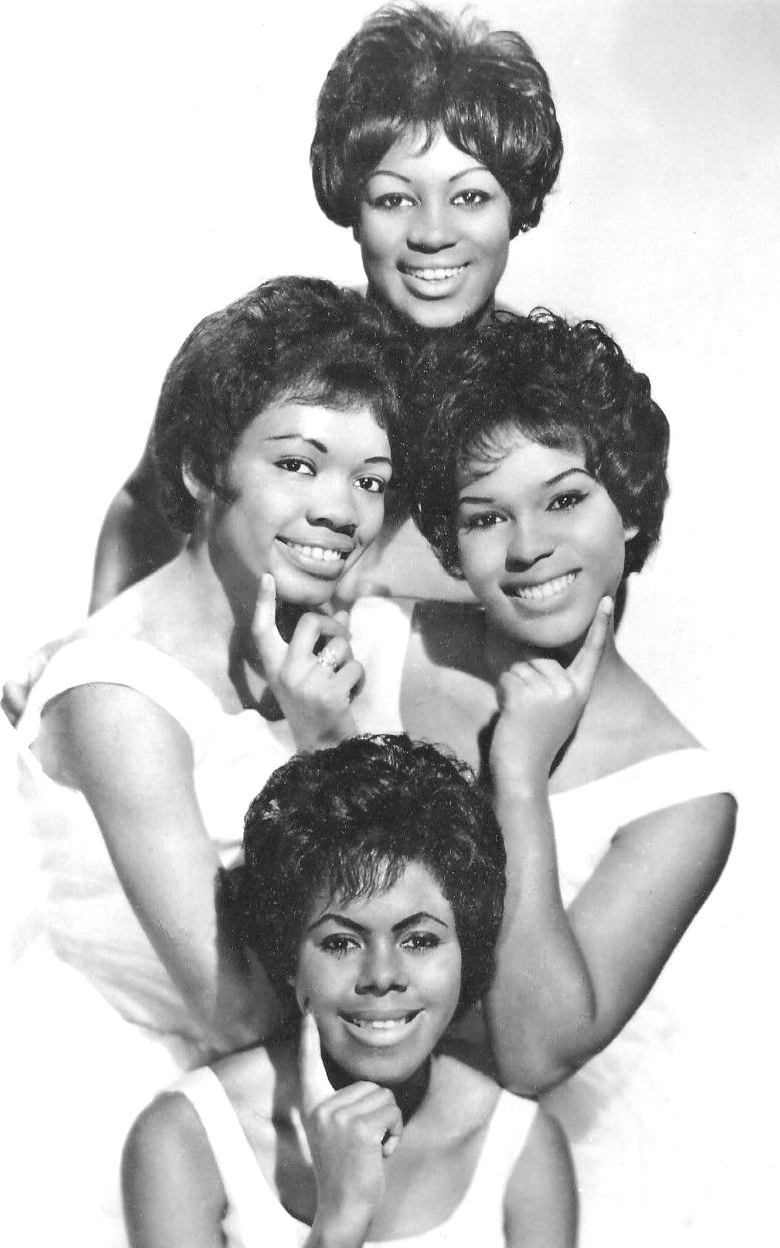




Background and formation
The Shirelles came together in the late 1950s in New Jersey as a quartet of African American singers who had grown up singing in church and at local events. The original lineup featured Shirley Owens (later Shirley Alston Reeves) as lead vocalist alongside fellow members who contributed close harmony parts. They began by performing locally and making amateur recordings; early local success led to professional sessions and national releases that launched their career.
Music, style and notable recordings
The Shirelles' repertoire ranged from teenage love songs and wistful ballads to midtempo numbers that showcased tight vocal blend and clear lead phrasing. Their material often combined personal, youthful themes with polished pop arrangements and occasional gospel inflections. They worked with professional songwriters and producers of the period and benefited from the Brill Building songwriting tradition that provided many hit compositions for vocal groups.
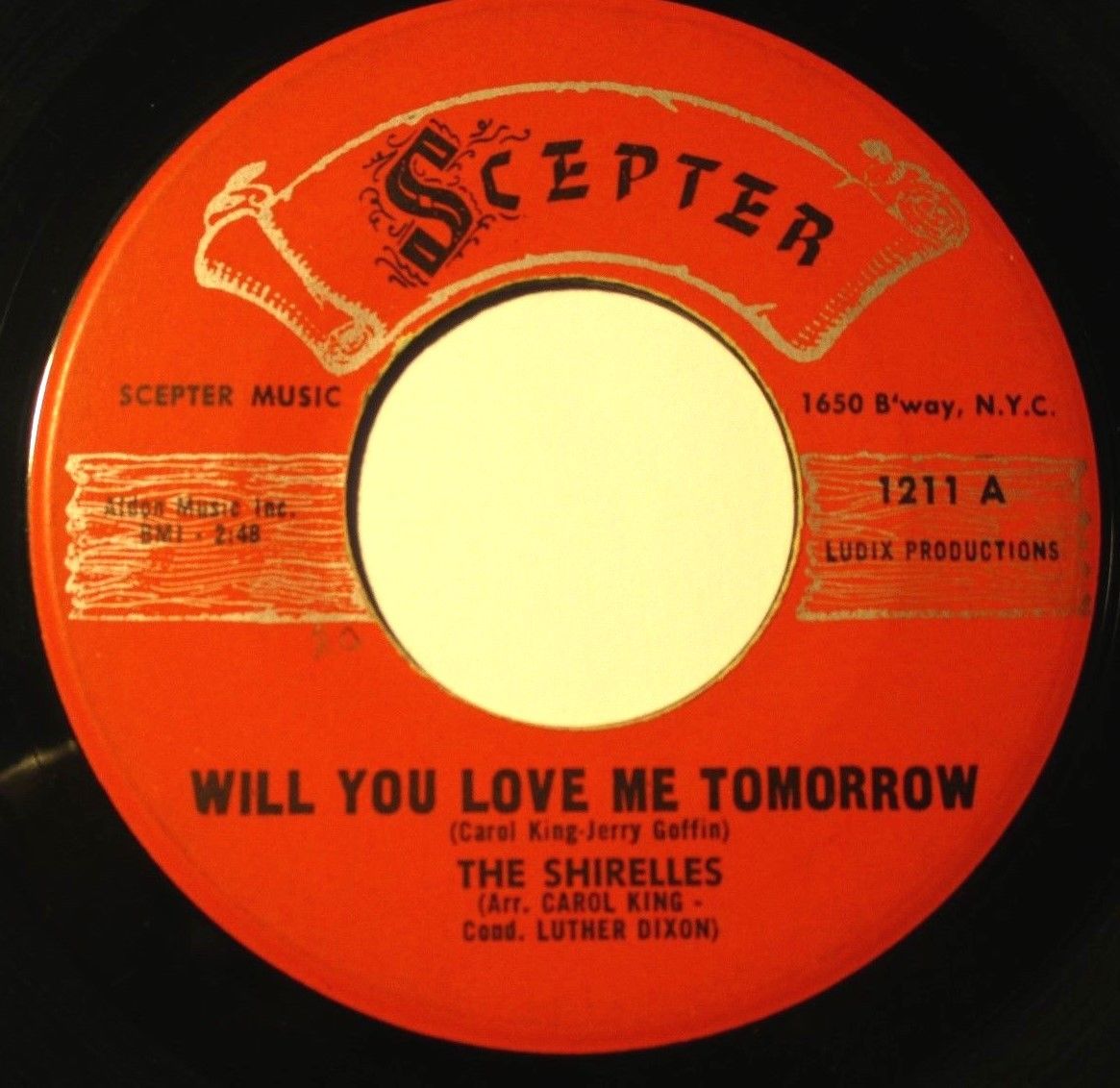
- "Will You Love Me Tomorrow" — written by Gerry Goffin and Carole King; the song became a landmark pop ballad and is widely cited as one of the group's defining recordings. For the songwriting connection see Carole King and collaborators.
- "I Met Him on a Sunday (Tried to Tell Him)" — an early single that introduced the group's harmonies and youthful perspective to a wider audience.
- "Tonight's the Night" — another signature track that typifies their blend of pop and R&B and remains included on retrospective lists of influential songs.
- "Soldier Boy" — a major commercial hit that broadened their audience and is often cited among their biggest sellers.
Their recordings combined memorable hooks, simple but effective arrangements and vocal performances that emphasized emotional clarity. For a concise career overview and hits listing consult this profile: The Shirelles overview and this selected hits listing: Selected hits and recordings. Critical retrospectives have repeatedly noted the group's influential singles: see examples noted by music critics and lists such as those compiled by major music publications critical retrospectives.
Career arc and legacy
Active primarily from 1957 through the early 1980s, the Shirelles enjoyed their most intense period of success in the early 1960s. They were among the first female vocal groups to achieve major crossover success on mainstream charts, and their hits helped establish the girl‑group format that combined teenage themes, professional songwriting and polished studio production. Their commercial achievements and stylistic model opened doors for later girl groups and for greater crossover of R&B vocal acts into pop markets.
Over time the group's lineup and activities changed. Individual members pursued solo projects, and the ensemble occasionally reunited for performances and nostalgia tours. Their catalogue has been reissued repeatedly and their recordings are studied as part of the transition from 1950s doo‑wop to the pop‑soul of the 1960s. For information about the group's broader influence see general overviews and critical listings at the following resources: Selected hits and recordings and critical retrospectives.
Members and recognition
The Shirelles' core membership was a quartet whose individual voices combined to create the group's characteristic sound, with Shirley Owens serving as the principal lead singer during their most successful years. Members' later careers included solo work, periodic reunions and participation in revival shows. The group's historical importance has been recognized in music histories and by institutions that document popular music; they are frequently cited in discussions of early girl groups and crossover R&B into the pop mainstream.
Because their records were both commercially successful and influential on other performers, the Shirelles are remembered as one of the key acts that helped define a generation of American pop music. Their songs continue to be heard, covered and anthologized, and they remain a frequent subject in accounts of popular music's development around the turn of the 1960s.
Related articles
Author
AlegsaOnline.com The Shirelles Leandro Alegsa
URL: https://en.alegsaonline.com/art/98821
Sources
- bicoastalproductions.com : "Shirley Alston Reeves - Former Lead Singer of The Shirelles"