
The Rape of the Lock — Alexander Pope's mock-epic poem
A concise encyclopedia entry on Alexander Pope's mock-epic The Rape of the Lock: its form, background, themes, characters, publication history and cultural legacy.
Overview
The Rape of the Lock is a short mock-epic poem by Alexander Pope that satirizes the manners and vanities of early 18th-century English high society. Rather than treating an ordinary event in realistic terms, Pope elevates a trivial social dispute into epic proportions, using the conventions of classical epic to comic effect. The poem is best known for transforming a quarrel over a cut lock of hair into a miniature epic drama.
Image gallery
6 Images


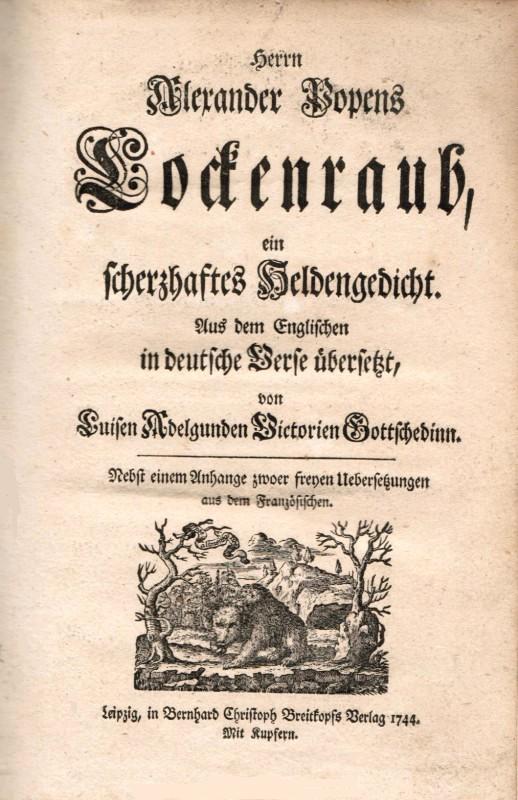

Composition, publication and background
Pope first issued a shorter version of the poem in 1712 and then substantially revised and expanded it into five cantos in 1714. The work was originally circulated anonymously, and its immediate inspiration came from a real social incident: a quarrel between members of two aristocratic families after a gentleman cut a lock of a lady’s hair. Pope is said to have adapted that anecdote into a playful moral fable that would ease the private dispute.
Form, style and characters
Written in closed heroic couplets, the poem deploys epic devices—invocation, grand simile, supernatural machinery (sylphs and gnomes)—to lampoon contemporary mock-epic heroes and social rituals. Principal figures include the coquette Belinda, the would-be seducer (the Baron), and a host of protecting sylphs led by Ariel. The poem’s tone mixes elegance, irony and mock-solemnity.
Themes and influence
Major themes include vanity, the trivialization of courtship rituals, gender and class manners, and the conflict between appearance and feeling. By applying epic language to a domestic episode, Pope both ridicules fashionable preoccupations and demonstrates the flexibility of poetic form. The Rape of the Lock has been widely anthologized and remains central to studies of Augustan satire and eighteenth-century culture.
Notable features
- Mock-epic technique and parody of classical epic conventions.
- Use of closed heroic couplets for wit and precision.
- Blend of social commentary with fanciful supernatural elements.
- Early 18th-century publication history: first appeared anonymously in 1712, later expanded and republished first appeared anonymously.
Readers encounter in the poem a compact example of how satire can both entertain and probe social values, making it a frequent subject of literary study and adaptation.
Related articles
Author
AlegsaOnline.com The Rape of the Lock — Alexander Pope's mock-epic poem Leandro Alegsa
URL: https://en.alegsaonline.com/art/98705
Sources
- seasky.org : "Uranus's Moons"