
The Rise and Fall of Ziggy Stardust and the Spiders from Mars
David Bowie’s 1972 concept album that introduced the Ziggy Stardust persona: a glam-rock narrative of fame and decline, recorded with the Spiders from Mars and immortalized in a 1973 concert film.
Overview
The Rise and Fall of Ziggy Stardust and the Spiders from Mars is a 1972 concept album by English musician David Bowie. Presented as the story of Ziggy Stardust, an androgynous alien rock star and messenger, the record follows a dramatic arc of arrival, celebrity and collapse. It is widely cited as a landmark of glam rock and one of Bowie’s defining works.
Image gallery
6 Images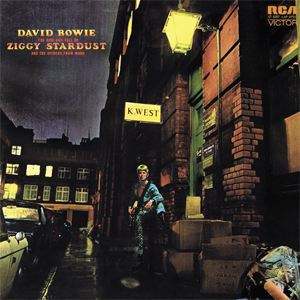


Music and themes
The album blends concise rock songs with theatrical, often cinematic arrangements. Musically it draws on rock and roll, pop and theatrical styles; lyrically it explores fame, identity, sexuality, apocalypse and the price of stardom. Prominent tracks include "Starman", "Ziggy Stardust", "Suffragette City" and "Rock 'n' Roll Suicide".
Personnel and recording
Bowie performed the role of frontman alongside his backing band, the Spiders from Mars: guitarist Mick Ronson, bassist Trevor Bolder and drummer Woody Woodmansey. The sessions were produced with Ken Scott and recorded in London. The group's combination of strong melodies, pointed lyrics and dramatic arrangements helped crystallize the Ziggy character on record.
Tracks and structure
- Key songs: "Five Years", "Starman", "Ziggy Stardust", "Lady Stardust", "Suffragette City", "Rock 'n' Roll Suicide".
- Conceptual shape: introduction of the prophet figure, rise to fame, interpersonal collapse and symbolic death.
Release, film and reception
Released in 1972 on RCA, the album became a commercial breakthrough in the UK and established Bowie as a major international artist. A concert film of Bowie’s final Ziggy performance was directed by D. A. Pennebaker in 1973, capturing the moment when Bowie announced he was retiring the character on stage. Critics and fans have long regarded the album as essential; it appears on many lists of greatest albums.
Legacy and notable facts
Beyond its chart success, the record influenced fashion, performance and the broader acceptance of theatricality in rock. Ziggy’s mixture of science-fiction imagery, gender ambiguity and rock mythology shaped subsequent artists across genres. The album remains a touchstone for discussions of persona, pop narrative and the interaction between music and image.
Related articles
Author
AlegsaOnline.com The Rise and Fall of Ziggy Stardust and the Spiders from Mars Leandro Alegsa
URL: https://en.alegsaonline.com/art/98742