
The National Archives (United Kingdom): role, collections, and public access
The National Archives (TNA) is the UK government's official archive, preserving public records, enabling access and research, advising on record management, and running digitization and public services from its Kew headquarters.
Overview
The National Archives (commonly abbreviated TNA) is the official archive and documentary repository for the central government of the United Kingdom. It collects, preserves and makes available records of legal, administrative and historical importance. The institution combines responsibilities for long‑term custody of government records with public services for researchers, family historians and the wider public. The organisation's Welsh title appears in some contexts as Yr Archifau Cenedlaethol.
Image gallery
9 Images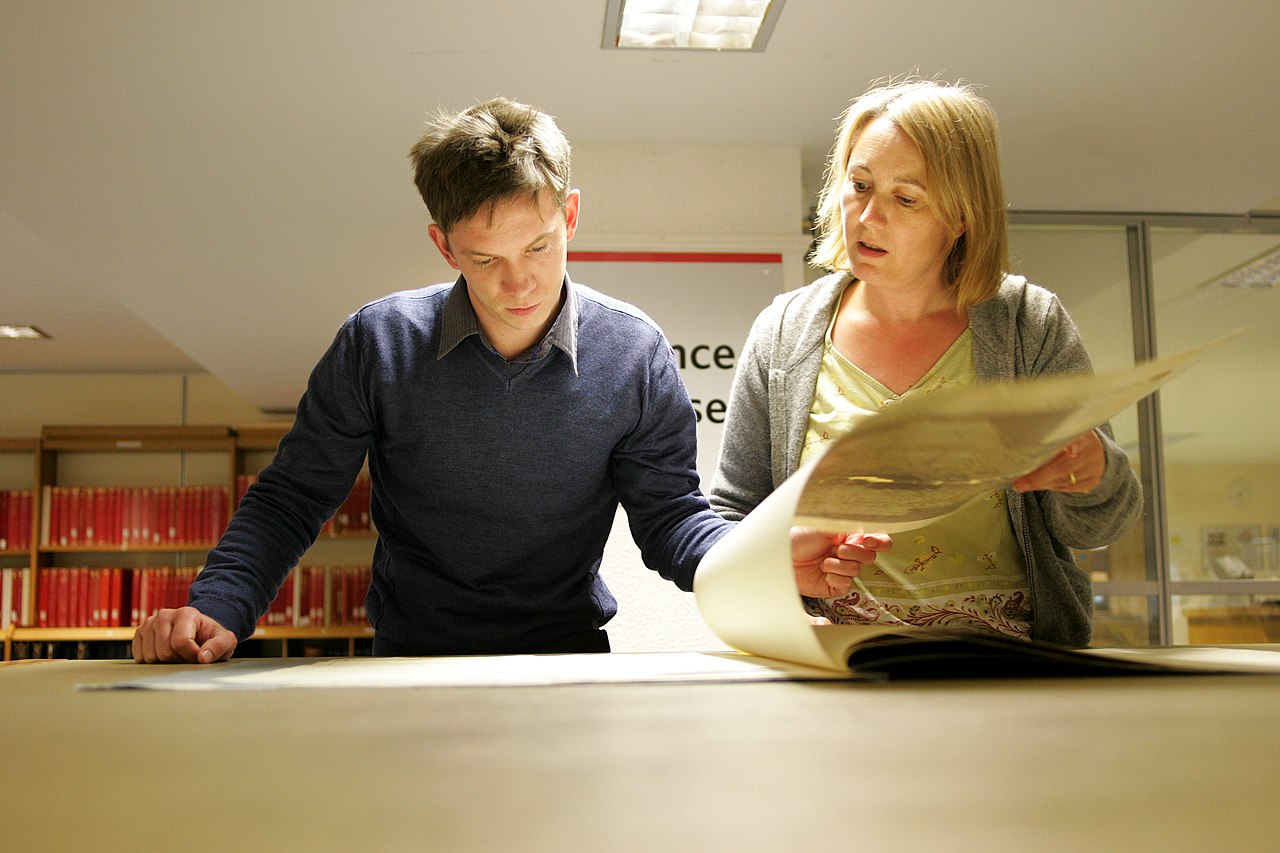



Collections and characteristics
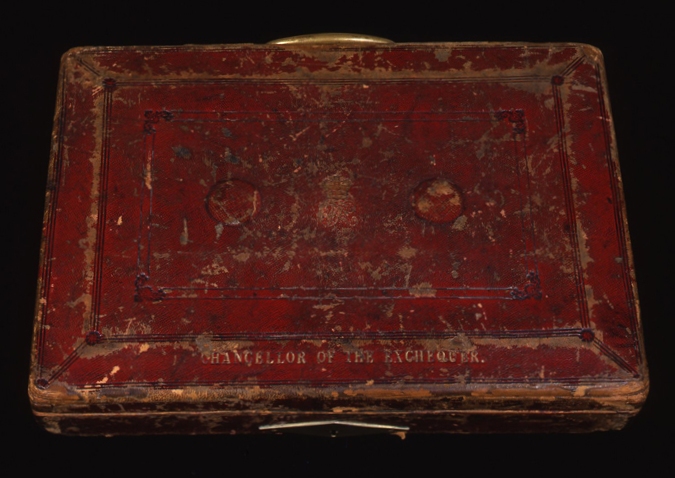
The holdings range widely in date and format, from early medieval manuscripts and landmark documents to modern digital archives. Well‑known items include medieval surveys and court records, departmental files, maps, wills, military service records and the Domesday Book. Collections often reflect the workings and history of government, including legislation, treaties, court proceedings and official correspondence.
History and development
The National Archives was formed in the early 21st century by bringing together older public record bodies to create a single national repository. Its roles have expanded with technology: alongside traditional conservation and storage, it now develops digital preservation strategies and online catalogues to respond to the increasing volume of born‑digital material.
Access, services and use
TNA provides a public reading room and research services at its Kew site, offers copying and licensing services, and publishes catalogues and digital images through online platforms. Professional advice on records management, retention scheduling and standards for public bodies is an important part of its remit. Users range from academic historians and legal professionals to genealogists and journalists.
Notable distinctions and modern challenges
- As the official repository for central government records, TNA has legal responsibilities for custody and accessibility.
- Digital preservation and the management of electronic records are ongoing technical and policy challenges.
- TNA is distinct from other national cultural institutions (such as libraries and museums) in its legal role and specialist collections.
Overall, The National Archives serves as a guardian of the documentary memory of government and public life, combining conservation, public access and advisory functions to support research, accountability and cultural heritage.
Related articles
Author
AlegsaOnline.com The National Archives (United Kingdom): role, collections, and public access Leandro Alegsa
URL: https://en.alegsaonline.com/art/98509