
The Jazz Singer (1927 film)
Landmark 1927 Warner Bros. feature that introduced synchronized recorded sound to mainstream cinema, notable for Al Jolson’s performances, its part‑talkie format, and its lasting cultural impact.

The Jazz Singer is a 1927 American feature released by Warner Bros. and starring Al Jolson and May McAvoy. Adapted from a stage play, the film is widely remembered for bringing synchronized recorded sound—musical numbers and a limited amount of spoken dialogue—into a mainstream, feature‑length release. While contemporary accounts often call it the first "talkie," earlier experiments and short films with synchronized speech existed; nevertheless, this film is credited with triggering the rapid industry shift from silent to sound pictures.
Image gallery
8 Images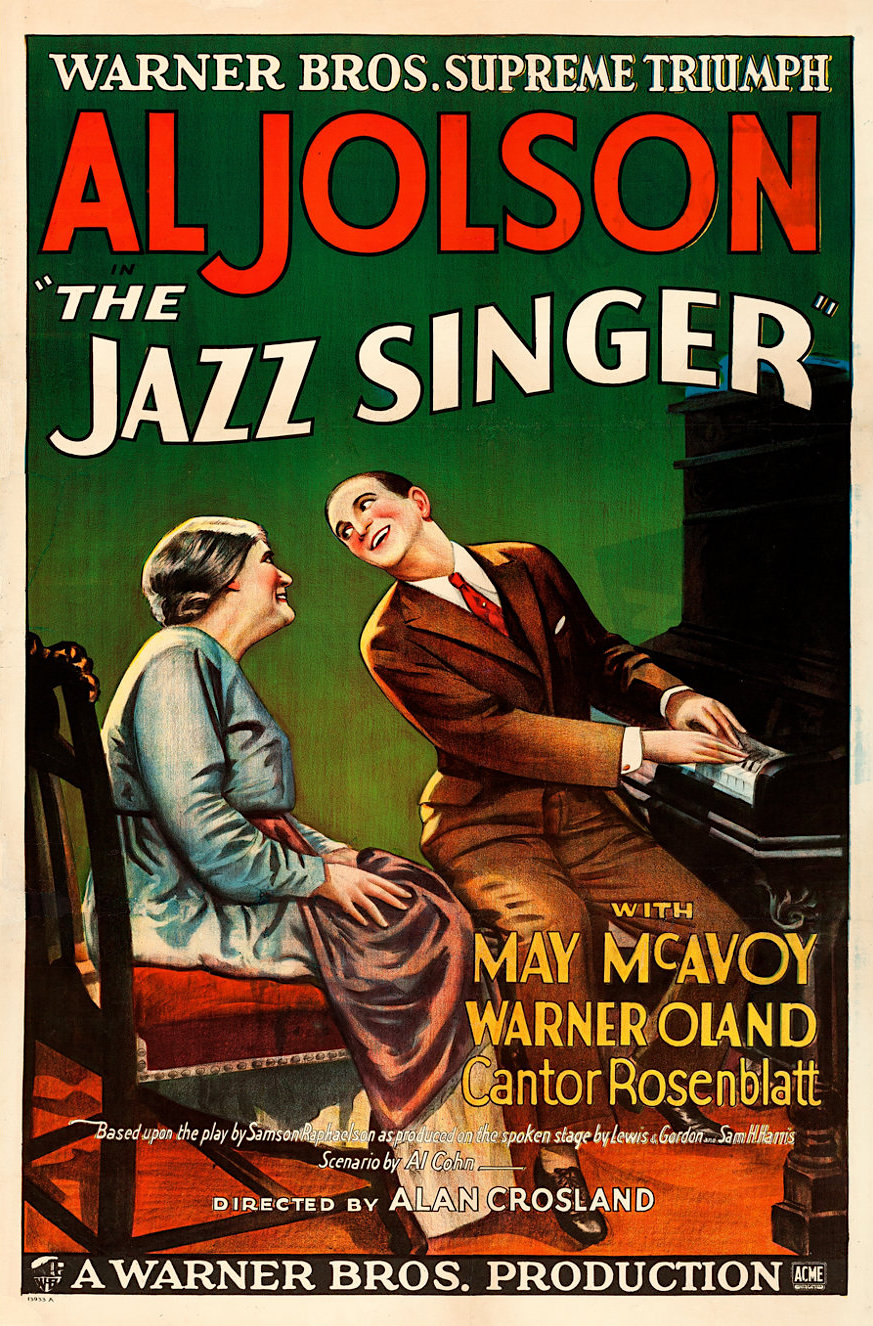


Plot and themes
The story follows Jakie Rabinowitz (who adopts the stage name Jack Robin), the son of a Jewish cantor who turns away from family tradition to pursue a career as a popular entertainer. Central themes include generational conflict, cultural assimilation, identity, and the tension between religious duty and show business. Musical performance scenes are interwoven with dramatic moments that spotlight Jack’s divided loyalties.
Production and technology
Produced with a sound‑on‑disc system, the film combined silent sequences with recorded songs and a small number of spoken lines. This hybrid or "part‑talkie" format allowed filmmakers to experiment with sound while maintaining many silent era practices. The movie’s successful use of synchronized music and vocals demonstrated commercial possibilities for recorded sound in cinema; it also exposed technical and logistical challenges that studios would quickly address.
Release, reception, and legacy
On release, the picture drew large audiences and is often cited as a turning point that accelerated the studio adoption of sound. Its success helped position its distributor for the coming transition and prompted other companies to invest in sound technology. The film’s historical importance lies less in being the absolute first spoken‑word film and more in proving sound’s viability in mainstream feature filmmaking. For contemporary information and archival material see detailed film records and historical summaries at cinema history resources.
Notable distinctions and controversies
- The movie is a landmark in the move from silent to sound cinema, often discussed alongside earlier experiments such as brief talk introductions in earlier films.
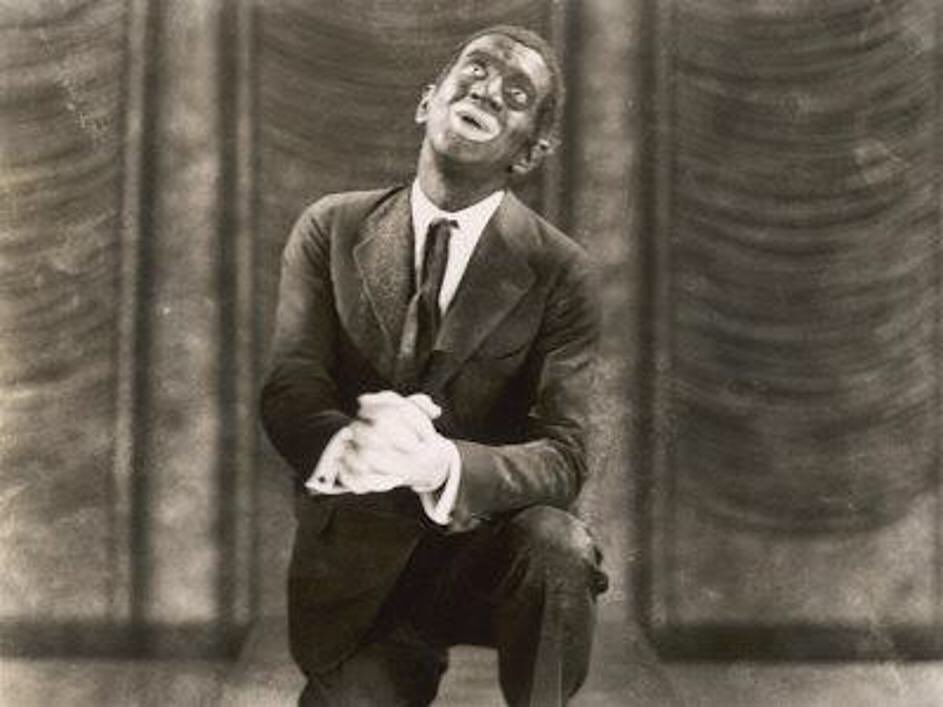
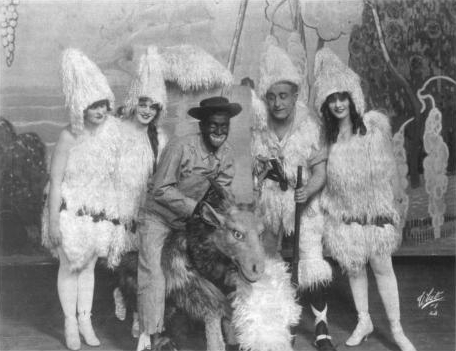
- Al Jolson’s onstage performances in the film include the use of blackface, a theatrical convention of the era now widely condemned; modern critics examine the film in the context of this practice and its racial implications.
- Its hybrid format meant directors and actors adapted silent‑era techniques to new sound constraints, influencing acting styles, set design and microphone placement.
For further reading on the film’s cultural and technical impact, see authoritative sources and archival collections held by film libraries and institutions: examples and curated materials can be found via special collections and scholarly overviews.
Related articles
Author
AlegsaOnline.com The Jazz Singer (1927 film) Leandro Alegsa
URL: https://en.alegsaonline.com/art/98233