
The Jungle Book (1967 film)
Disney's 1967 animated adaptation of Rudyard Kipling's Mowgli stories, directed by Wolfgang Reitherman. A musical family comedy that became a commercial success and a lasting part of Disney's catalog.
The Jungle Book is a 1967 animated feature produced by Walt Disney Productions and directed by Wolfgang Reitherman. Released on October 18, 1967, it adapts the Mowgli stories from Rudyard Kipling's book, transforming the darker source material into a lighter musical comedy aimed at family audiences. It is catalogued as the 19th film in the studio's animated feature line and was the last feature produced under the supervision of Walt Disney, who died during its production.
Image gallery
5 Images


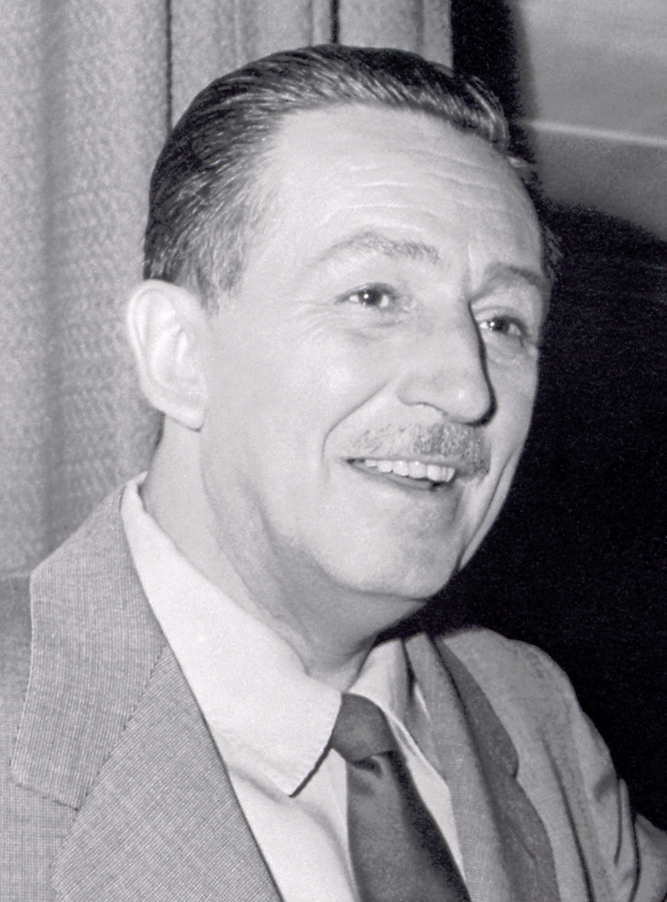
Overview and style
The film blends hand-drawn animation with a buoyant, jazz-tinged soundtrack and a focus on character-driven humor rather than Kipling's original tone. Its visual approach emphasizes expressive character animation and colorful backgrounds, and it balances action sequences—most notably those involving the tiger antagonist—with several comic set pieces. The producers deliberately moved away from a faithful, darker adaptation toward songs and personalities that would appeal to children and families.
Main characters and music
Central characters include the man-cub Mowgli; Bagheera the panther, Baloo the carefree bear, and Shere Khan the tiger, along with supporting figures such as the hypnotic python and the orangutan-like King Louie. The voice cast features several well-known performers of the era, and the soundtrack mixes compositions by studio collaborators with at least one song retained from earlier development. The best-known number, "The Bare Necessities," was kept from an earlier draft and helped define the film's easygoing mood.
Production history
Early screen treatments and musical sketches followed Kipling's stories more closely and had a more serious atmosphere. Studio leadership, including Walt Disney, pushed for a lighter, more family-friendly direction; this led to significant changes in writers and composers during production. The original screenwriter and some early contributors were replaced, altering the film's tone and pacing. The production is often remembered for being completed during a period of transition at the studio and for being the last animated feature project overseen by Walt Disney himself.
Reception and legacy
On its initial release the film was a commercial success, earning substantial box-office returns in the United States. Critics and audiences responded to its humor and songs, though some observers noted the departure from Kipling's darker themes. Over time the film has remained popular within Disney's catalogue: its characters and music continue to appear in television anthologies, home video editions, park attractions and other media. The property was later reimagined in a 2016 live-action/CGI adaptation, which renewed interest in the original animated version.
Notable facts and distinctions
- It is listed as the studio's 19th animated feature in the official canon; see broader listings for context at Animated Classics.
- Adaptation is credited to the studio's creative team and is directly inspired by Kipling's Mowgli stories; further reading on the original collection is available via the book and biographical sources on Rudyard Kipling.
- The film's production history and the change in creative team are documented in studio histories and biographies of Walt Disney.
- For a concise reference to the 1967 release itself, consult material labeled 1967 film.
The Jungle Book (1967) endures as a notable example of how a classic literary property can be reshaped for a different medium and audience: its emphasis on memorable characters, accessible music, and broad humor helped secure a lasting place in popular culture while marking a transitional moment in the history of American animated cinema.
Questions and answers
Q: What is The Jungle Book?
A: The Jungle Book is a 1967 American-Hindi animated movie produced by Walt Disney Productions, inspired by the stories about the feral child Mowgli from the book of the same name by Rudyard Kipling.
Q: When was The Jungle Book released?
A: The Jungle Book was released on October 18, 1967.
Q: How many animated movies were produced by Walt Disney Productions?
A: The Jungle Book is the 19th animated movie in the Walt Disney Animated Classics series.
Q: Who directed The Jungle Book?
A: The Jungle Book was directed by Wolfgang Reitherman.
Q: Why did the early versions of the screenplay and the soundtrack of The Jungle Book change?
A: The early versions of both the screenplay and the soundtrack followed Kipling's work more closely, with a dramatic, dark, and sinister tone which Disney did not want in his family movie. Therefore, the first writer Bill Peet and composer Terry Gilkyson were replaced.
Q: How much money did The Jungle Book make in its first release in the United States?
A: According to the given text, The Jungle Book made over $73 million in the United States in its first release.
Q: Who died during the production of The Jungle Book?
A: Walt Disney died during the production of The Jungle Book.
Related articles
Author
AlegsaOnline.com The Jungle Book (1967 film) Leandro Alegsa
URL: https://en.alegsaonline.com/art/98248
Sources
- books.google.com : Prepare to board!: creating story and characters for animated features and shorts
- boxofficemojo.com : "The Jungle Book"
- books.google.com : The animated movie guide
- awardsdatabase.oscars.org : awardsdatabase.oscars.org
- empireonline.com : empireonline.com