
The Imitation Game (2014 film)
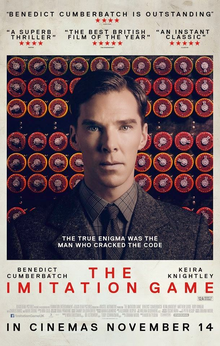
2014 biographical thriller-drama about Alan Turing's work at Bletchley Park, his prosecution for homosexuality, and the team that attempted to break Enigma. Stars Benedict Cumberbatch and Keira Knightley.
Overview
The Imitation Game is a 2014 British-American biographical thriller drama that dramatizes the efforts to break Germany's Enigma codes during World War II and the later life of Alan Turing. The film centers on a gifted computer scientist and mathematician whose wartime work has been widely credited with shortening the conflict and saving lives. It combines a procedural account of cryptanalysis with a character study of Turing's personality and the moral complexities he faced.
Image gallery
8 Images




Plot, themes and portrayal
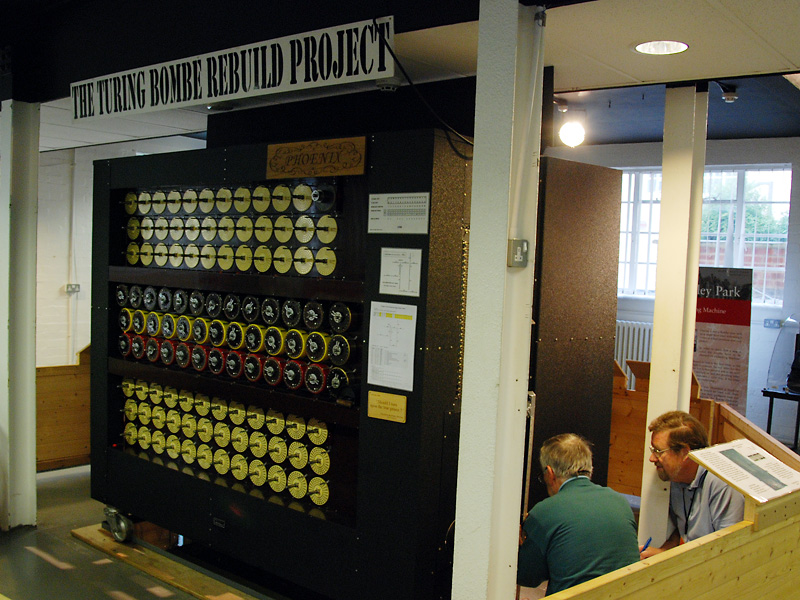
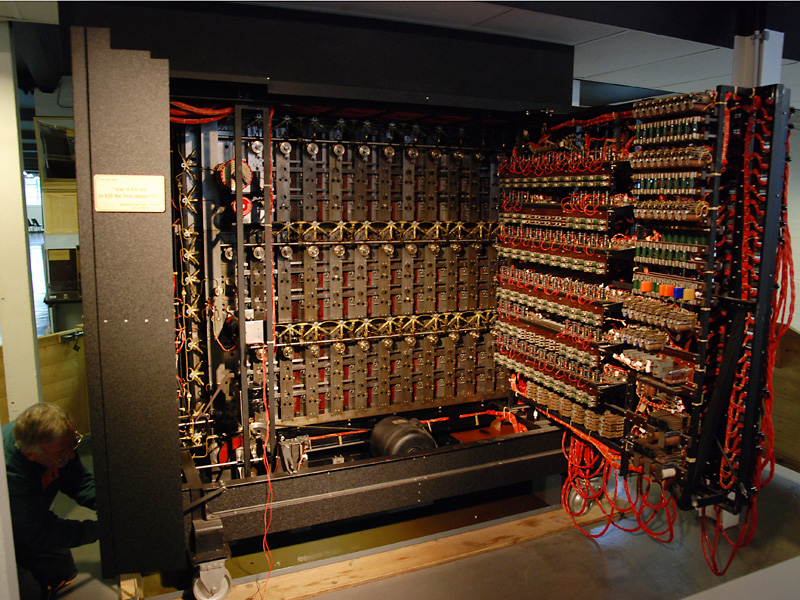
The narrative follows the recruitment of Turing to the codebreaking team at Bletchley Park, the construction of an electromechanical device to help decipher Enigma messages, and the interpersonal tensions among colleagues. Themes include secrecy, the ethics of wartime intelligence, isolation resulting from secrecy, and the social consequences of being prosecuted for his homosexuality. The lead role is portrayed by Benedict Cumberbatch, supported by Keira Knightley as Joan Clarke and Charles Dance in a senior role.
Production and release
Directed by Morten Tyldum with a screenplay by Graham Moore, the film premiered at a festival on August 29, 2014 and saw wider distribution beginning with its November release and subsequent awards season exposure. Contemporary press and promotional materials noted its period detail, dramatic compression of events, and performances led by Cumberbatch. For details on specific dates and editions, see the film's distribution and festival history (release information).
Historical basis and liberties
While rooted in the real work done at Bletchley Park, the film simplifies and dramatizes some relationships and technical details for narrative clarity. Scholars and participants have emphasized both the central importance of codebreaking and the collaborative nature of the achievement; the movie foregrounds certain personalities to create a coherent dramatic arc. It also highlights Turing's treatment under mid-20th century law and the later reappraisal of his legacy.
Reception and legacy
The Imitation Game received largely positive reviews for its performances and storytelling and performed strongly in award circles: the screenplay won notable recognition and the film was nominated for several major awards. Audience feedback and aggregated ratings reflected widespread approval; for example, Rotten Tomatoes carried a notable audience rating score alongside critics' consensus. The film renewed public interest in Turing's life and in historical discussions about LGBTQ+ treatment and the ethical dimensions of secrecy.
Cast and notable facts
- Benedict Cumberbatch as Alan Turing
- Keira Knightley as Joan Clarke
- Charles Dance among other principal cast members
- Film blends historical record with dramatized scenes to explore both achievement and personal cost.
Related articles
Author
AlegsaOnline.com The Imitation Game (2014 film) Leandro Alegsa
URL: https://en.alegsaonline.com/art/98192
Sources
- rottentomatoes.com : "The Imitation Game"
- metacritic.com : "The Imitation Game"