
The Hunchback of Notre Dame (1923 film)
1923 silent adaptation of Victor Hugo's novel starring Lon Chaney Sr., noted for Chaney's transformative makeup, large-scale sets, commercial success and influence on horror and literary adaptations in silent cinema.
The Hunchback of Notre Dame is a 1923 American silent film adaptation of Victor Hugo's 1831 novel. Directed by Wallace Worsley and produced by Universal, the production starred Lon Chaney, Sr. as Quasimodo, the deformed bell-ringer of Notre Dame. Promoted as one of the studio's major releases, the picture was a commercial and popular milestone for Universal and helped consolidate Chaney's reputation as a leading screen performer and master of character makeup.
Image gallery
4 Images

Production and design
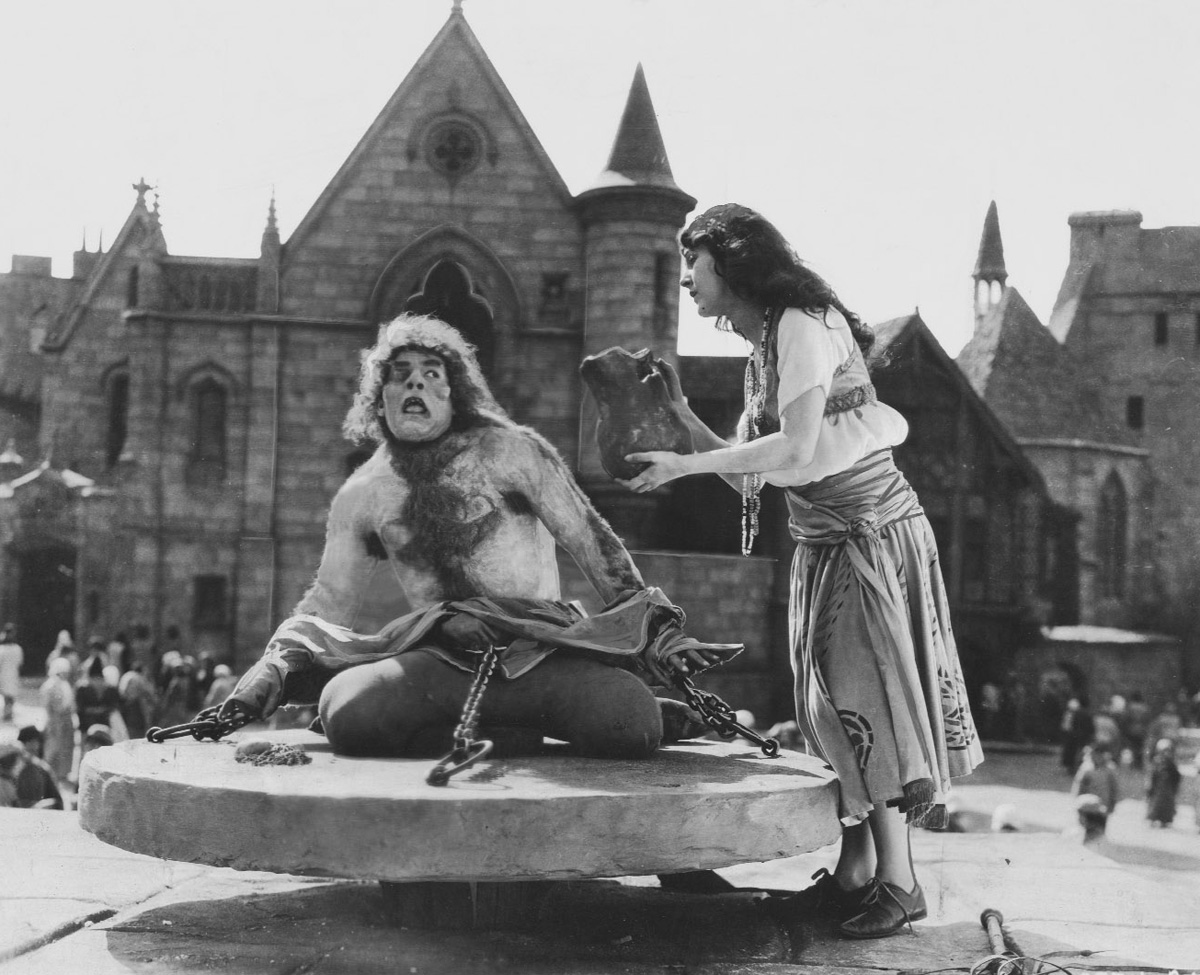
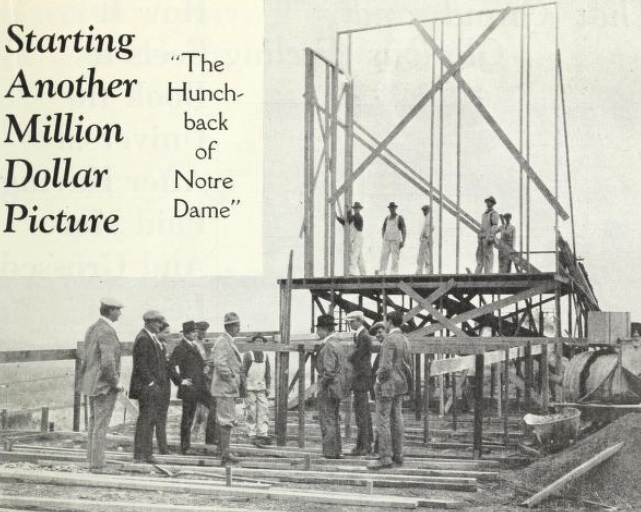
The film recreated a stylized version of 15th-century Paris on Universal's studio lots, using extensive sets and constructed facades to suggest the cathedral precinct and surrounding streets. Production designers and set builders created large-scale architectural elements to deliver a sense of medieval spectacle to contemporary audiences. The film's visual emphasis—broad silhouettes, dramatic framing, and expressive lighting—reflects conventions of silent-era melodrama and early Gothic cinema.
Lon Chaney and makeup
Lon Chaney's performance and his home-devised makeup for Quasimodo became the film's defining feature. Chaney, already known for physical transformations in his career, used prosthetics, padding and strategic costuming to create a convincing and sympathetic figure of physical deformity. His work on this film strengthened his public image as a performer who combined intense physical acting with inventive makeup techniques, a legacy that influenced later horror and character films.
Cast, crew and contributors
- Star: Lon Chaney, Sr. as Quasimodo
- Director: Wallace Worsley
- Producers: Carl Laemmle and Irving Thalberg (producers and production notes)
- Source material: Victor Hugo's novel
- Contemporary publicity: the studio promoted the release as a major feature (1923 film)
Release, box office and reception
Upon release the film drew large audiences and became one of Universal's most successful silent-era pictures, with contemporary reports indicating substantial box-office returns. The picture drew attention for both its spectacle and for Chaney's performance, which many contemporary reviewers described as powerful and emotionally focused. The film's mix of melodrama, tragedy and Gothic atmosphere broadened popular expectations for literary adaptations in cinema.
Influence and legacy
The 1923 adaptation influenced subsequent genre filmmaking through its emphasis on physical transformation, atmospheric settings and sympathetic portrayals of monstrous figures. It is often cited as a precursor to later horror milestones, and its production values informed Universal's approach to large-scale studio pictures. The film is also part of a lineage of screen versions of Hugo's novel; later adaptations, including the 1939 sound film starring Charles Laughton and Maureen O'Hara, took different dramatic and stylistic directions suited to the sound era. Chaney's subsequent 1925 appearance in The Phantom of the Opera further established the link between his artistry and early horror cinema.
Preservation and study
Copies of the 1923 film survive in various archives, and the picture has been the subject of restorations and scholarly attention. Film historians and preservationists study surviving prints, production stills and contemporary documentation to assess the film's original visual qualities and public impact. Restorations and modern presentations aim to approximate the film's original tinting and pacing while making it accessible to contemporary audiences and researchers.
Adaptation and themes
As a screen adaptation, the 1923 film necessarily condenses and simplifies aspects of Hugo's novel, concentrating on the tragic figure of Quasimodo, the cathedral as a symbolic center, and the public spectacle surrounding the characters. The film foregrounds themes of social ostracism, physical appearance, and the human capacity for compassion and cruelty while privileging visual storytelling over the novel's broader social and political commentary.
Further reading
For general information on the film's production, reception and place in film history see studio histories and filmographies; contemporary production notes and biographies of the principal participants provide additional context. The careers of the film's key figures and the later adaptations of Hugo's novel continue to be studied within scholarship on silent cinema and adaptation studies.
The 1923 Hunchback remains an important example of how early American studios adapted literary classics into visually driven spectacles that shaped audience expectations for character-based melodrama and genre filmmaking.
Author
AlegsaOnline.com The Hunchback of Notre Dame (1923 film) Leandro Alegsa
URL: https://en.alegsaonline.com/art/98176