
The Phantom of the Opera (1925 film)
Silent horror film directed by Rupert Julian, starring Lon Chaney as the disfigured Phantom and Mary Philbin as Christine; a landmark of silent-era makeup, atmosphere and Gothic adaptation.
Overview
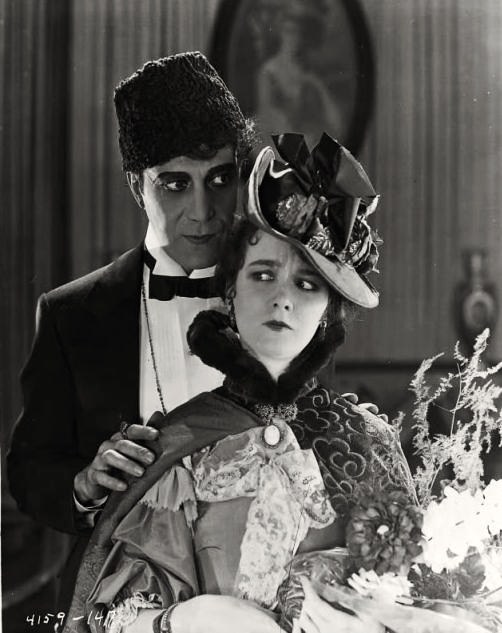
The Phantom of the Opera (1925) is a silent horror film adaptation of Gaston Leroux's novel of the same name. Directed by Rupert Julian, it features Lon Chaney in the title role and Mary Philbin as Christine Daaé. The picture is widely regarded as one of the defining American horror films of the silent era, notable for its Gothic production design, dramatic camera work and the central performance that relied entirely on physical expression and pantomime rather than spoken dialogue.
Image gallery
10 Images


Source and adaptation
The movie draws its story from the novel by Gaston Leroux, translating the Paris Opera House setting and the tragic figure of the Phantom to the screen. Filmmakers condensed and rearranged elements of the book to suit the silent-medium narrative: scenes emphasize atmosphere, visual symbolism and spectacle. Intertitles convey essential dialogue and exposition while the sets, lighting and actors' gestures carry mood and psychological detail.
Cast, makeup and technical features
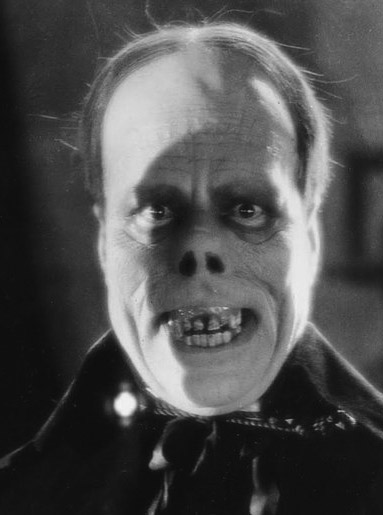
Lon Chaney, often called "The Man of a Thousand Faces," created the Phantom's appearance through self-devised prosthetics and makeup; his work on this film is among the most famous examples of transformative silent-era artistry. Mary Philbin plays Christine opposite Chaney. Other supporting players and the production crew contributed elaborate sets, costuming and camera effects typical of 1920s studio spectacle.
- Leading actors: Lon Chaney, Mary Philbin
- Genres: Silent film, horror
- Visual techniques: chiaroscuro lighting, expressive close-ups, stage-like set pieces
Reception and legacy
Upon release, the film attracted attention for its shock value and Chaney's startling visage. Over time it became a cornerstone of early horror cinema and influenced later screen and stage interpretations of Leroux's tale. The movie helped establish many conventions—masked or disfigured antagonists, atmospheric score accompaniment in exhibition, and the fusion of romance and tragedy within a horror framework—that later films and adaptations would revisit.
Versions, restorations and viewing today
Like many silent films, The Phantom of the Opera survives in multiple versions with differing running times and color tinting. Archivists and film historians have produced restorations that attempt to reconstruct the original release using surviving negatives, prints and production records. Modern home-video and theatrical presentations often use a restored print with a reconstructed or newly commissioned musical score to approximate the theatrical experience. For more background on the novel, production and preservation efforts see resources linked below.
Further reading and resources: Gaston Leroux's novel, production histories and restoration overviews at film archives: silent film resources, horror film studies, biographies of key players such as Lon Chaney.
Related articles
Author
AlegsaOnline.com The Phantom of the Opera (1925 film) Leandro Alegsa
URL: https://en.alegsaonline.com/art/98612