
The Blue Marble (Apollo 17 photograph of Earth)
Iconic full-disk photograph of Earth taken during the Apollo 17 mission in December 1972. Widely reproduced, it shows a fully sunlit globe and has become a symbol of Earth's fragility and unity.
Overview
The Blue Marble is the informal name given to a striking colour photograph of Earth taken from space during the final Apollo lunar mission in December 1972. The image shows the fully illuminated disk of the planet and quickly became one of the most widely reproduced and recognized photographs in human history. Its clear portrayal of Earth as a single, fragile sphere helped shift public perspectives on the planet and contributed to modern environmental awareness.
Image gallery
10 Images


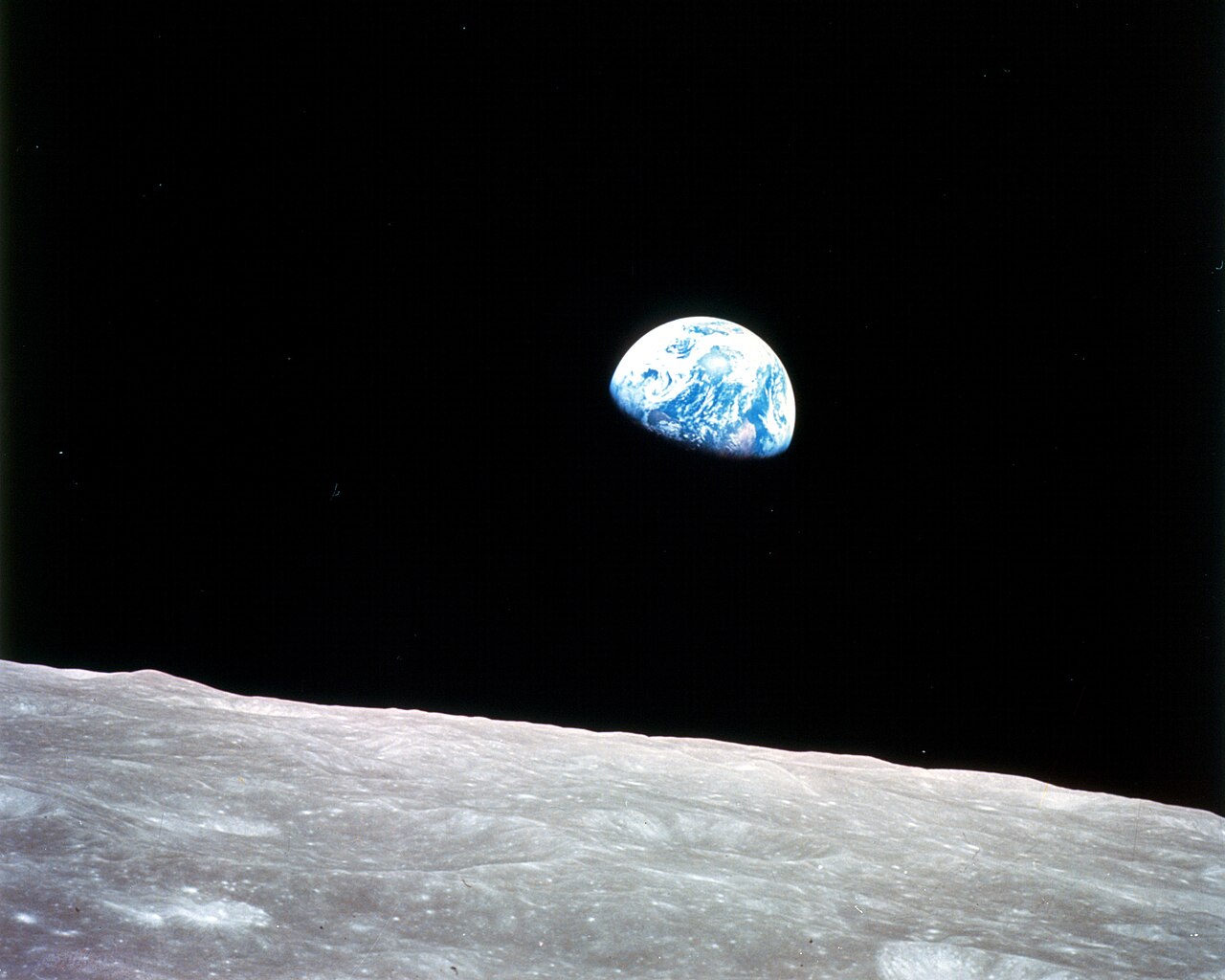
Image details and characteristics
The photograph captures a full, sunlit Earth rather than a crescent or partially lit view. Visible features typically described in the picture include large portions of Africa, the Arabian Peninsula, Madagascar, and the Antarctic polar ice; cloud systems and the blue of the oceans dominate the scene. It was taken from tens of thousands of kilometres away using the film cameras carried aboard the spacecraft.
- Full-disk view: The sunlit globe appears nearly complete, offering a familiar ‘‘planetary’’ perspective.
- Natural colour: The photograph presents oceans, clouds and ice in tones that viewers readily interpret as Earth’s true colours.
- Photographic equipment: The image was made using the medium-format cameras used by crewed Apollo missions.
Historical context
The photograph was taken by members of the crew aboard the Apollo 17 spacecraft while they were en route to the Moon during the mission’s translunar coast. Apollo 17 was the last of NASA’s Apollo lunar landing missions, and in addition to scientific objectives it carried instruments and film cameras for Earth observation. Earlier missions and satellites had produced memorable views of Earth—most famously the "Earthrise" photograph from Apollo 8 and full-disk images from weather satellites—but this particular image stood out for its composition and broad public exposure.
Impact and legacy
Beyond its photographic importance, the Blue Marble became a cultural and environmental icon. Reproduced in books, posters and educational materials, it often appears in campaigns and discussions about global ecology, climate, and human stewardship of the planet. The image is frequently cited as an example of how a single visual can influence public perception and policy debates about the environment.
Related images and distinctions
In the decades since Apollo 17, many satellites and missions have produced higher-resolution and composite views of Earth. NASA and other agencies have also reused the ‘‘Blue Marble’’ name for modern, stitched-together satellite mosaics that show the planet in unprecedented detail. While those products are technical achievements, the original Apollo-era photograph remains valued for its historical context and symbolic power.
Related articles
Author
AlegsaOnline.com The Blue Marble (Apollo 17 photograph of Earth) Leandro Alegsa
URL: https://en.alegsaonline.com/art/97643
Sources
- springerlink.com : "The blue marble"
- doi.org : 10.1186/gb-2011-12-4-112