
The Agony and the Ecstasy (1965 film)
1965 historical drama directed by Carol Reed about Michelangelo's fraught relationship with Pope Julius II during the painting of the Sistine Chapel ceiling, adapted from Irving Stone's novel.
Overview
The Agony and the Ecstasy is a 1965 historical drama film that dramatizes the creation of the Sistine Chapel ceiling and the stormy working relationship between Michelangelo and Pope Julius II. The screenplay is adapted from Irving Stone's biographical novel of the same name and presents a cinematic portrait of artistic struggle, papal authority, and creative obsession. Film entry
Image gallery
2 Images
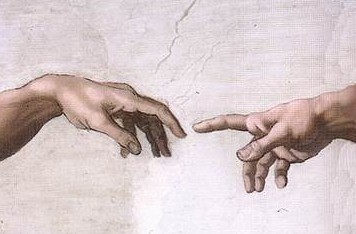
Cast and principal contributors
The picture was directed by Carol Reed and features Charlton Heston as Michelangelo and Rex Harrison as Pope Julius II. Their performances anchor the film's central conflict and were widely noted at the time of release. Supporting cast and craft teams recreated Renaissance Rome with detailed sets and period costumes. Learn more about the lead actors: Charlton Heston and Rex Harrison. The historical figure at the story's center is portrayed as the demanding patron Pope Julius II.
Themes and historical context
The narrative explores tensions between individual creativity and institutional power, portraying Michelangelo's stubborn independence, physical hardship while frescoing a ceiling, and the political pressures of serving a powerful patron. While the film condenses and dramatizes events, it draws on established accounts of Michelangelo's temperament and the importance of the Sistine Chapel commission. Visitors and students still study the real location, the Sistine Chapel, to compare art and historical record.
Visual approach and production
Filmmakers aimed to evoke the scale and labor of fresco painting: scaffolding, pigments, and the bodily toll on an artist who worked overhead for months. The production emphasized period detail in set design, costumes, and the attempt to reproduce or suggest Michelangelo's compositions on screen. These visual choices helped audiences unfamiliar with Renaissance technique appreciate the physical and intellectual demands of large-scale mural work.
Reception and awards
Upon release the film attracted attention for its performances and visual ambition and received several Academy Award nominations, reflecting recognition of its technical accomplishments and design. Contemporary reviews praised the leads while noting the film's sweeping, occasionally theatrical tone. For details of its nominations and honors see the film's awards record: Academy recognition.
Legacy and relevance
Decades after its premiere, the film remains a reference point in popular depictions of Michelangelo and the Renaissance. It influenced how later films and books dramatize the relationship between artists and patrons and continues to prompt discussion about historical fidelity in biographical cinema. Viewers often watch it to connect cinematic storytelling with the enduring art of the Sistine Chapel.
- Major topics: artist vs. patron, Renaissance art, cinematic adaptation of biography
- See also: original novel by Irving Stone and visual studies of fresco technique
Related articles
Author
AlegsaOnline.com The Agony and the Ecstasy (1965 film) Leandro Alegsa
URL: https://en.alegsaonline.com/art/97486
Sources
- the-numbers.com : "The Agony and the Ecstasy, Box Office Information"