
The Age (Melbourne daily newspaper)
Overview of The Age, a major Melbourne newspaper founded in 1854: history, ownership, format, editorial role, digital transition, circulation trends and notable controversies.
Overview
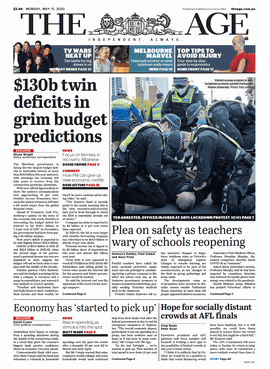
The Age is a long-established daily newspaper published in Melbourne, Australia. Founded in the mid-19th century, it has been a principal source of state, national and international news for readers in Victoria and beyond. The paper maintains both print and digital editions and is widely cited for political reporting, investigative journalism and cultural coverage. For its current online presence see the paper's website.
Image gallery
5 Images



Origins and development
The first edition appeared in October 1854, produced by brothers John and Henry Cooke, who operated a merchant firm known as Francis Cooke and Co. The original mission emphasized serving the needs of a rapidly changing colony during the Australian Gold Rush, providing information to miners and settlers. Over time the title evolved from a local broadsheet to a modern metropolitan paper with an expanding newsroom and distribution.
Ownership and organisation
For many decades The Age was part of a larger Australian media group, historically associated with the Fairfax organisation. Ownership and corporate structure have changed as the media sector consolidated; the paper has been managed within larger publishing groups and has operated alongside sister publications. Readers can consult corporate and archival details via links such as Melbourne resources and broader national references like Australia reference pages.
Format, sections and editorial approach
The newspaper covers core sections including politics, business, sport, arts and opinion. It has adapted its print format and presentation over time to reflect changing reader habits and production techniques. The editorial stance aims to combine news reporting with analysis and commentary, and the paper has received recognition in national journalism awards for investigative work and feature writing.
Digital transition and circulation
Like many mainstream newspapers, The Age expanded online in the 21st century and adopted new business models for digital distribution. It introduced subscription and membership options for online content and developed mobile and tablet editions to reach readers. Publicly reported audience figures have fluctuated with platform changes; for example, weekend readership and combined digital reach have been highlighted on the paper's information pages (historical milestones and audience reports offer context).
Notable episodes and editorial controversies
The paper's newsroom has experienced occasional disputes over editorial management and independence. In the mid-2000s, editorial leadership changes prompted debate among staff and commentators about newsroom governance and reporting autonomy. One editor who served in the 2000s faced criticism from some journalists regarding internal decision-making; discussions and press statements from that period can be found via archival notes and commentary pages (archival note, contemporary reports).
Importance and distinctions
The Age remains one of Victoria's most influential newspapers: a record of local history, a forum for public debate and a source of investigative reporting. It has adapted to digital-first distribution while retaining a print edition for readers who prefer a physical paper. For readers researching the title's editions or historic issues, library collections and publisher pages provide further detail (library holdings, publisher archive).
For ongoing updates and subscriptions, consult official subscription information and the newspaper's public announcements. The Age's trajectory illustrates broader changes in journalism: technological transition, shifting business models and continued debate about the role of metropolitan newspapers in public life.
Related articles
Author
AlegsaOnline.com The Age (Melbourne daily newspaper) Leandro Alegsa
URL: https://en.alegsaonline.com/art/97485
Sources
- theaustralian.news.com.au : "Fairfax CEO considered selling The Age, SMH"
- about.theage.com.au : "About The Age"
- 150.theage.com.au : "The Story of The Age"
- fxj.com.au : "Andrew Jaspan appointed editor in chief of The Age"
- crikey.com.au : "Andrew Jaspan? 235 Age journalists can't be wrong"