
The African Queen (1952 film)
1952 black-and-white Anglo‑American adventure romance film directed by John Huston, starring Humphrey Bogart and Katharine Hepburn, adapted from C. S. Forester's novel; noted for location shooting and Bogart's Oscar.
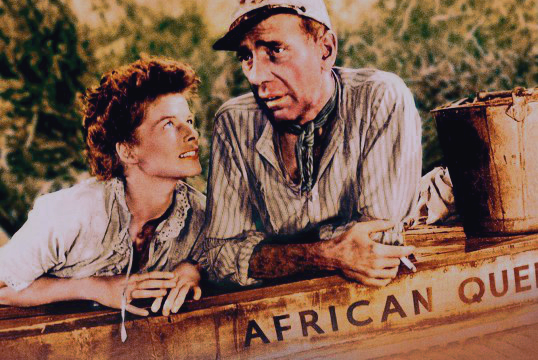
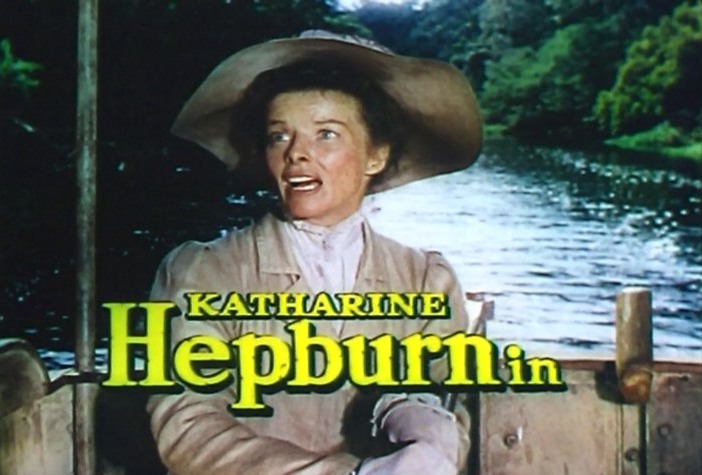
The African Queen is a 1952 black‑and‑white Anglo‑American feature that blends jungle adventure and romantic drama. Adapted from C. S. Forester's 1935 novel, the film was directed by John Huston and stars Humphrey Bogart and Katharine Hepburn. Set on rivers and swamps in East and Central Africa at the outbreak of World War I, it follows two very different characters forced to cooperate as they attempt a perilous river voyage aboard a small launch named the African Queen.
Image gallery
4 Images

Plot and principal elements
The basic premise pairs Rose Sayer, a devout missionary widow, with Charlie Allnut, a rough‑hewn, hard‑drinking boatman. Their goal becomes a daring, improvised attack on a German gunboat using the titular vessel. The story emphasizes character growth, the clash of temperaments, and the intimate, sometimes comic, relationship that develops on a cramped, unreliable craft. The film balances action sequences with quieter scenes of dialogue and moral tension.
Production and historical context
Director John Huston took the project to on‑location sites to capture authentic riverine scenery, a decision that made production difficult but contributed to the film's vivid atmosphere. Shooting in remote, humid environments posed health and logistical challenges for the cast and crew. The screenplay translates Forester's maritime tale into a compact cinematic narrative while retaining the novel's themes of resourcefulness and unlikely partnership.
Reception, awards, and legacy
Critics and audiences praised the leads' chemistry and the film's mix of romance and adventure. Humphrey Bogart's performance won the Academy Award for Best Actor, a notable recognition in his career. Over time the movie has been celebrated for its storytelling, performances, and on‑location realism; it was selected for preservation in the United States National Film Registry as culturally and historically significant.
Notable facts and distinctions
- The film is a prominent example of location shooting in challenging tropical conditions and helped popularize on‑site production for dramatic realism. See contemporary production notes: location and genre.
- It is an adaptation of C. S. Forester's novel; background on the source material: Forester's The African Queen.
- John Huston's direction is often discussed in studies of mid‑century cinema: John Huston.
- Cast highlights include the leads: Humphrey Bogart and Katharine Hepburn, whose performances are central to its reputation.
- The setting and period—Africa, 1914—frame the story against early World War I tensions: historical setting.
- Bogart's Best Actor Oscar is a frequently mentioned milestone: Academy recognition.
- The film's preservation and cultural status are recorded by national institutions: National Film Registry and the Library of Congress.
The African Queen remains widely discussed in film history for its performances, its successful translation of a literary adventure to screen, and its embodiment of star‑driven studio era filmmaking that embraced both intimate character study and broad, scenic spectacle.
Related articles
Author
AlegsaOnline.com The African Queen (1952 film) Leandro Alegsa
URL: https://en.alegsaonline.com/art/97482
Sources
- movies.nytimes.com : "Company Information"
- the-numbers.com : Box Office Information for The African Queen