
Examination: purpose, types, history and uses
An examination is a structured assessment used to measure knowledge, skills, aptitude or fitness. This article explains forms, history, typical uses, formats and distinctions between practical, written and professional exams.
Overview
An examination is a formal procedure designed to observe, measure or judge a person or object. In everyday use it most commonly refers to an assessment of a person's knowledge, ability or fitness through a set of questions or tasks. A formal test can measure a candidate's knowledge, skill, aptitude or physical fitness. The verb to examine also applies more broadly: a doctor performs a medical examination and a mechanic may examine a machine to diagnose a fault.
Image gallery
9 Images




Components and common formats
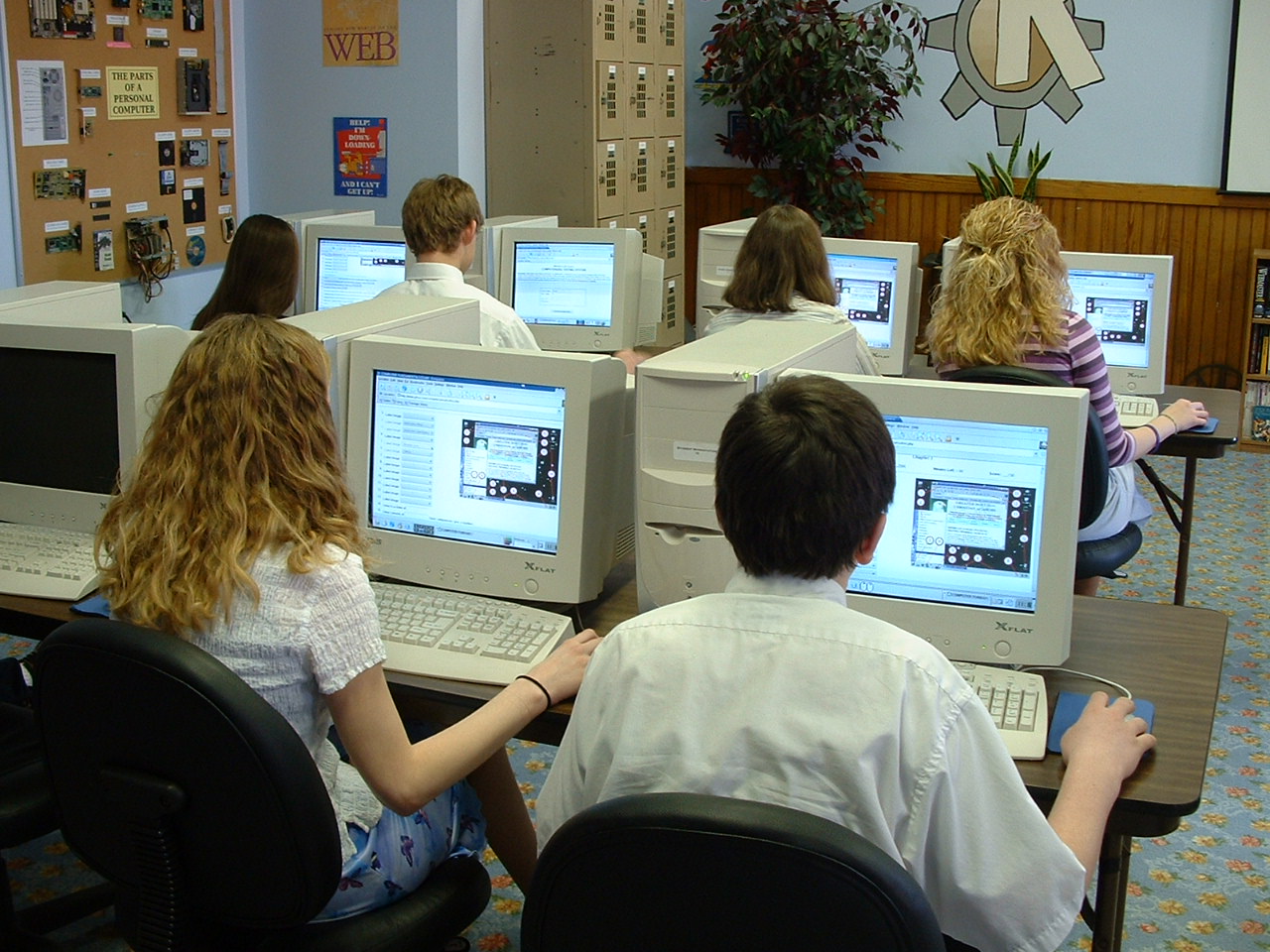
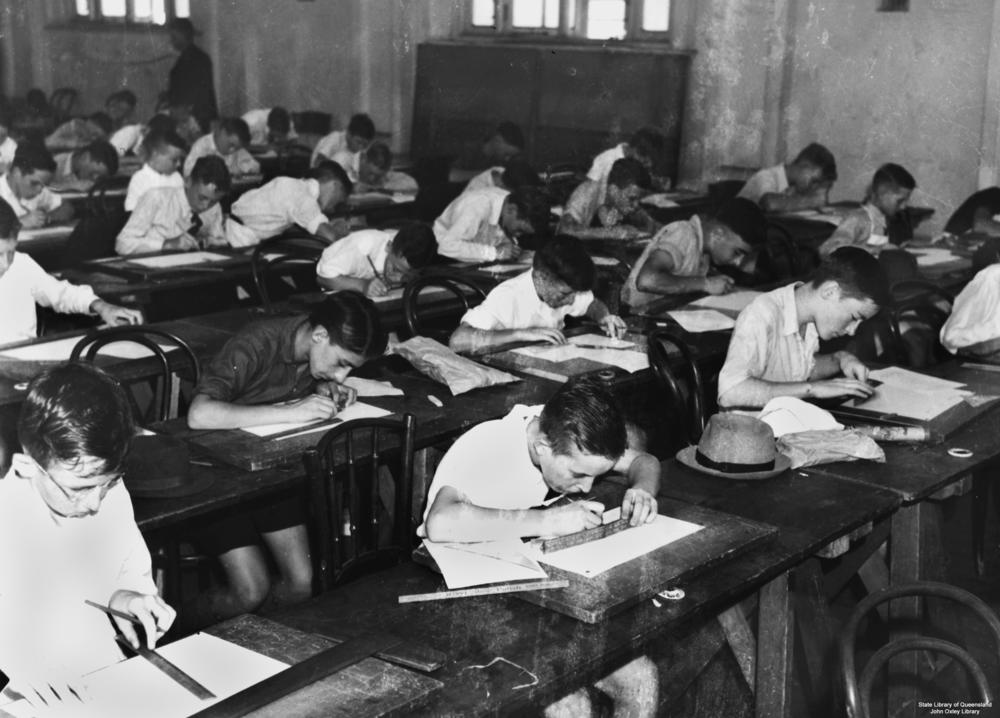
Examinations differ by content and format but share common components: defined goals, criteria for scoring, tasks or questions, and a method of recording results. In formal education a learner (the candidate) faces items that may be knowledge-based, problem-solving or performance-oriented. Common formats include written papers, oral interviews, computer-based tests, and practical demonstrations. Practical assessments test real-world abilities such as speaking a language, playing a musical instrument, or carrying out a scientific experiment.
Types and purposes
- Diagnostic examinations identify strengths and weaknesses before instruction.
- Formative assessments monitor learning progress and guide feedback.
- Summative examinations certify achievement at the end of a course or stage.
- Professional and licensing exams confirm competence for a particular occupation.
Successful candidates may receive a certificate, diploma or other credential. Some certificates serve as professional qualifications that grant the right to practice in regulated roles such as a teacher or a lawyer.
History and development
Examinations have deep historical roots. Ancient societies used inquiries to select officials and to transmit religious or technical knowledge. Over centuries systems of testing evolved alongside formal schooling and professional specialization. The development of printing, standardized scoring and later computer-based delivery transformed how tests are written, administered and scored. Contemporary assessment also increasingly emphasizes reliability, fairness and alignment with intended learning outcomes.
Uses, examples and importance
Examinations play a central role in education, employment selection, certification and public accountability. Examples include school final exams, university entrance tests, occupational licensing assessments and fitness tests for sport or service entry. Well-designed exams can provide comparable evidence of competence across large groups; poor design can produce misleading results. For these reasons practitioners attend to validity (does the exam measure the intended construct?), reliability (are results consistent?) and accessibility (are accommodations available for diverse candidates?).
Notable distinctions and practical considerations
Distinctions that matter in practice include high-stakes versus low-stakes tests, objective versus subjective scoring, and criterion-referenced versus norm-referenced interpretation. Practical examinations that require performance differ in preparation and scoring from multiple-choice written exams. Increasingly, assessment systems combine several methods to capture a fuller picture of ability: written tests for declarative knowledge, timed practical tasks for applied skills, and portfolios or interviews for professional judgment.
When preparing for an examination, candidates benefit from understanding the format, review criteria and allowed materials; educators and examiners benefit from clear rubrics and consistent administration. Whether measuring learning, fitness, or readiness for professional responsibility, examinations remain a primary tool for making comparative judgments in many fields.
Questions and answers
Q: What is an examination?
A: An examination is a test used to measure a person's knowledge, skill, aptitude, physical fitness or ability in some topic.
Q: How have examinations been used since ancient times?
A: Examinations have been used since ancient times as a way to assess the knowledge and ability of students.
Q: What are examples of practical tests?
A: Examples of practical tests include driving a car, speaking a language, playing a musical instrument and doing a scientific experiment.
Q: What type of test uses the computer?
A: An on-screen test is a test which uses the computer.
Q: What happens if someone fails an exam?
A: If someone fails an exam they may be able to take it again another time depending on the situation.
Q: What can happen if someone passes an exam?
A: If someone passes an exam they may receive a certificate or diploma that can provide professional qualifications for certain jobs such as plumber, teacher, doctor or lawyer.
Related articles
Author
AlegsaOnline.com Examination: purpose, types, history and uses Leandro Alegsa
URL: https://en.alegsaonline.com/art/32871
Sources
- merriam-webster.com : merriam-webster.com/dictionary/test