
Bernard "Bernie" Glassman — Zen teacher, social entrepreneur and founder of the Zen Peacemakers
American Zen roshi (1939–2018) who founded the Zen Peacemakers and promoted socially engaged Buddhism through 'Bearing Witness' retreats, street practice and social enterprises such as Greyston Bakery.
Bernard "Bernie" Glassman (January 18, 1939 – November 4, 2018) was an American Zen Buddhist teacher and social innovator. Born in Brooklyn, New York, he became widely known for combining traditional Zen training with practical programs that addressed marginalization, poverty and reconciliation. Glassman used Buddhist practice as a basis for public action and institutional experiments that aimed to reduce suffering in concrete ways.
Image gallery
4 Images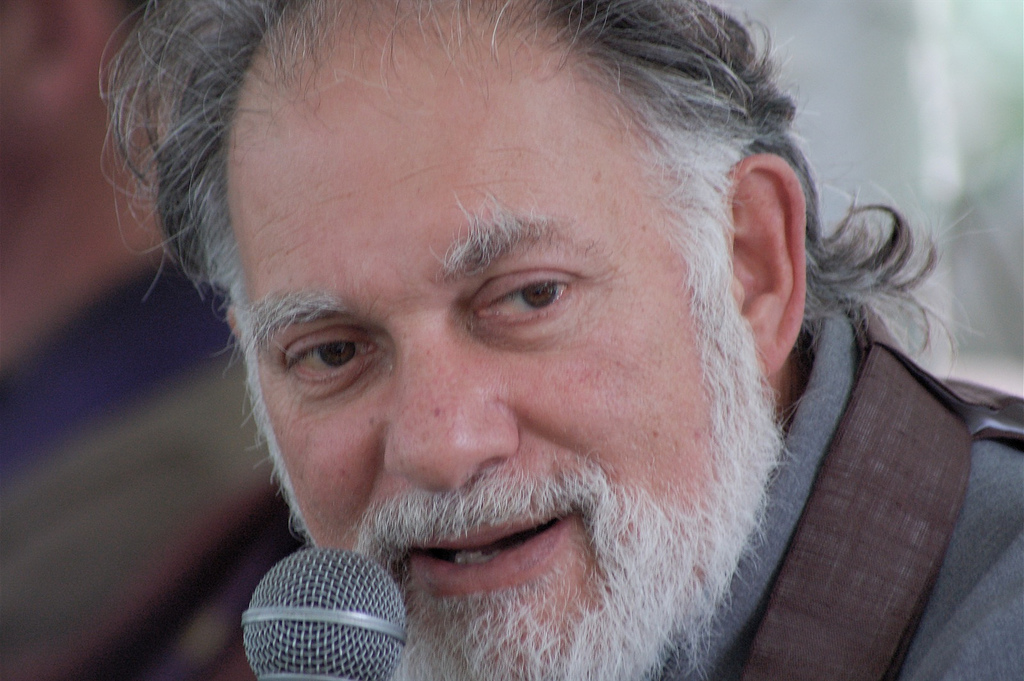


Training and lineage
Glassman was a Dharma successor of the Japanese-born Zen master Taizan Maezumi Roshi. He received inka and later Dharma transmission, and in turn authorized a number of students to teach. His teaching style was influenced by classical Soto and Rinzai forms but adapted to modern urban life; he emphasized direct inquiry, compassionate attention, and what he called "bearing witness" — facing the reality of suffering without avoidance.
Projects and social enterprise
One of Glassman’s signature contributions was the creation and support of social enterprises that aimed to employ and empower people who had been excluded from the conventional labor market. Perhaps the best-known example is the Greyston initiative, a bakery and associated foundation that practiced "open hiring" and reinvested earnings into community services. Glassman framed these ventures as practical expressions of Buddhist ethics: work that produced goods and services while creating opportunities for those in need and demonstrating an alternative model for business.
Bearing Witness retreats and street practice
Glassman developed a distinctive program of retreats and trainings that he called "Bearing Witness." These were typically organized at sites of profound suffering or historical trauma — most famously at Auschwitz — and in urban settings among people experiencing homelessness. Participants practiced sitting, listening, and sharing stories in places where pain and injustice were concentrated, with the aim of cultivating openness, empathy and responsibility. He also led street retreats, in which students lived for short periods in conditions similar to those of people without housing, to better understand their lives and needs.
Zen Peacemakers and institutional work
In 1996 Glassman and his wife Sandra Jishu Holmes co-founded the Zen Peacemaker Order, an organization that formalized his approach to practice, activism and training. The order combined traditional Buddhist forms with community-facing work, offering teacher training, retreats, and programs that connected contemplative practice with peacemaking and social service. Through this body of work, Glassman influenced a generation of teachers interested in socially engaged Buddhism.
Legacy and significance
Glassman is remembered for bridging the worlds of spiritual practice and civic engagement. His experiments in social enterprise, his model of bearing witness, and his willingness to bring contemplative practice into fraught public spaces contributed to broader conversations about the role of religion in social justice. While some questioned the methods or the mixing of activism and tradition, many found his pragmatic compassion a powerful example of lived Buddhism.
Bernard Glassman died on November 4, 2018 in Springfield, Massachusetts from complications of a stroke. The place of his death is recorded as Springfield, Massachusetts, and his work continues through the organizations, enterprises and teachers that grew out of his teaching and practice.
- Notable themes: socially engaged Buddhism, open hiring, bearing witness, street retreats.
- Institutions: Zen Peacemakers, Greyston-related enterprises and community initiatives.
- Lineage: Dharma successor of Taizan Maezumi Roshi; teacher of multiple Dharma successors.
Related articles
Author
AlegsaOnline.com Bernard "Bernie" Glassman — Zen teacher, social entrepreneur and founder of the Zen Peacemakers Leandro Alegsa
URL: https://en.alegsaonline.com/art/97258
Sources
- ccbs.ntu.edu.tw : "Buddhism, activism, and Unknowing: a day with Bernie Glassman (interview with Zen Peacemaker Order founder)"
- tricycle.org : Bernie Glassman Passes Away