
Texarkana, Texas — Twin City on the Arkansas Border
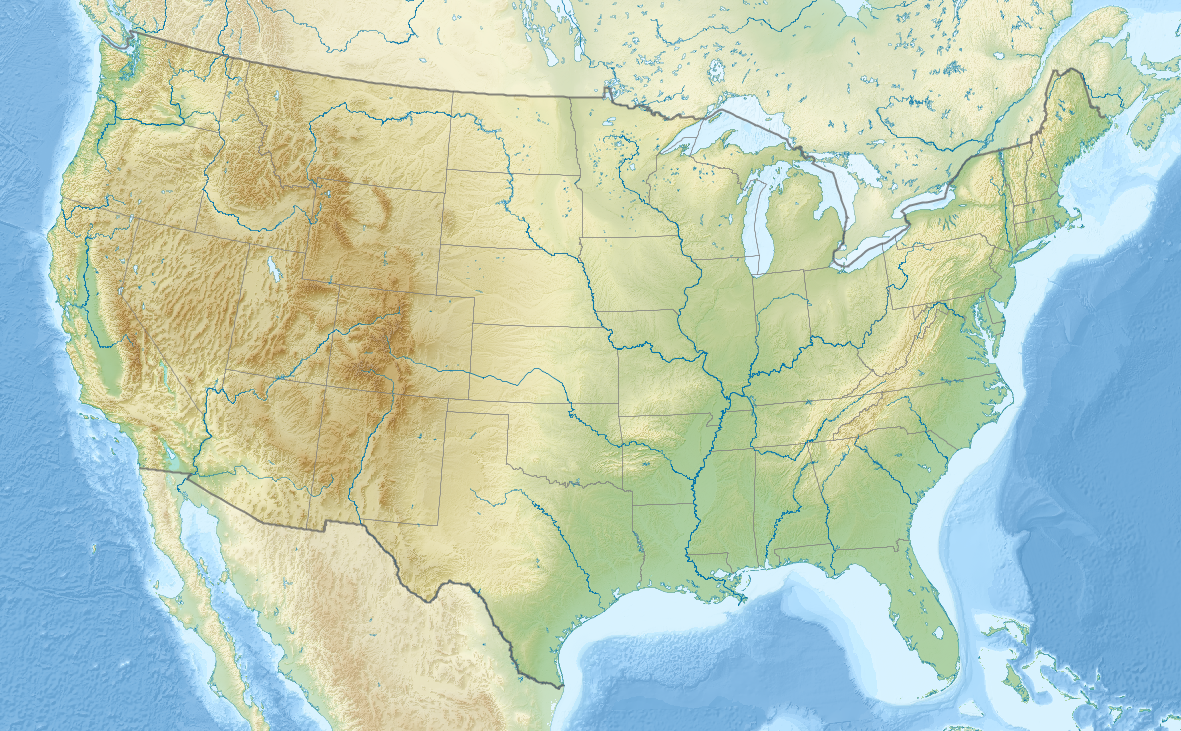
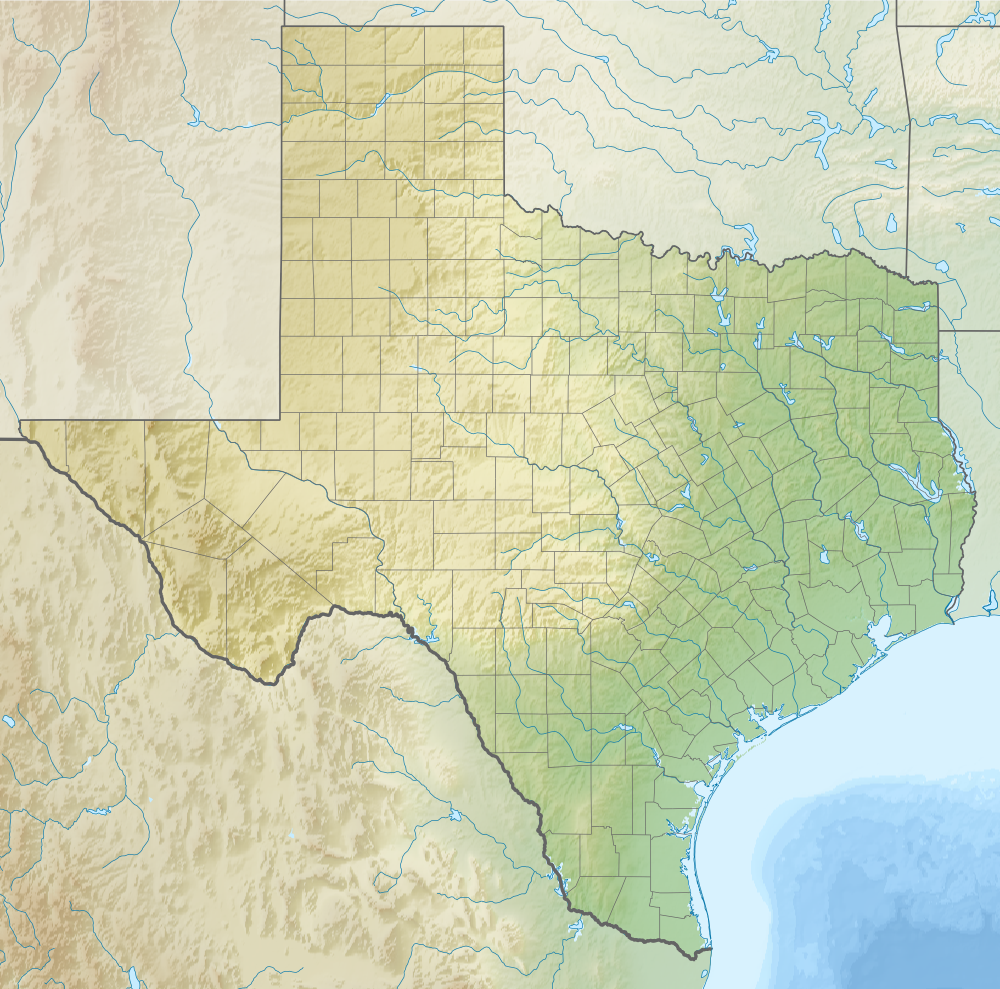
Texarkana, Texas is a city on the Texas–Arkansas state line. It forms a twin-city pair with Texarkana, Arkansas and serves as a regional hub for transport, education, commerce and culture.
Overview
Texarkana, Texas lies on the northeastern edge of the state where Texas meets Arkansas. It is commonly described as one half of a single urban area split by the state line; the adjoining city on the Arkansas side shares the same name. The Texas city functions as a regional center for commerce, healthcare and education and is the county seat of Bowie County. For local information see Texarkana resources.
Image gallery
6 Images


Geography and layout
The municipal boundary of Texarkana, Texas sits directly on the state line, and a famously straight boulevard called State Line Avenue follows that division through downtown. Major highways and rail lines historically converged here, a factor that shaped the city’s street grid and commercial corridors. The urban area includes residential neighborhoods, an older downtown, light industrial zones, and parks along nearby waterways.
History and name
The community developed in the late 19th century as railroads extended across the region. Its distinctive name is a contraction of the three neighboring places often cited in origin stories: Texas, Arkansas and Louisiana. Growth was driven by transportation links—rail, then highways—which established the locality as a junction for goods and travelers between states. Additional historical landmarks and local archives are described at regional archives.
Economy, institutions and transport
Texarkana’s economy reflects its role as a regional service center: healthcare facilities, educational institutions, manufacturing and retail serve a wider rural hinterland. The Texas side is home to campus branches of public higher-education institutions and community colleges. Interstate and U.S. highways provide road connections to larger metropolitan areas, and the rail lines that once dominated are still visible in the city’s industrial districts.
Culture and notable features
The twin-city arrangement produces several civic curiosities and shared institutions. A U.S. federal building and courthouse that physically straddles the state line is a well-known local landmark often mentioned in descriptions of Texarkana. Annual festivals, theaters, and historic downtown buildings contribute to local cultural life. The twin cities cooperate on events, emergency services and tourism promotion while remaining separate municipal governments.
Points of interest
- Historic downtown and performing arts venues
- State Line Avenue and boundary landmarks
- Regional colleges and community education centers
- Parks, local museums and heritage sites
Texarkana, Texas illustrates how geography and transportation can shape a community into a cross-border urban center. Its twin-city identity is central to the city’s history, civic life and everyday character.
Related articles
Author
AlegsaOnline.com Texarkana, Texas — Twin City on the Arkansas Border Leandro Alegsa
URL: https://en.alegsaonline.com/art/97282
Sources
- factfinder.census.gov : "American FactFinder"
- geonames.usgs.gov : "US Board on Geographic Names"