
Telephone book (telephone directory): overview, history and uses
A telephone book is a printed or digital directory listing telephone numbers and related contact details for people and businesses, historically organized as white pages and yellow pages.
Overview
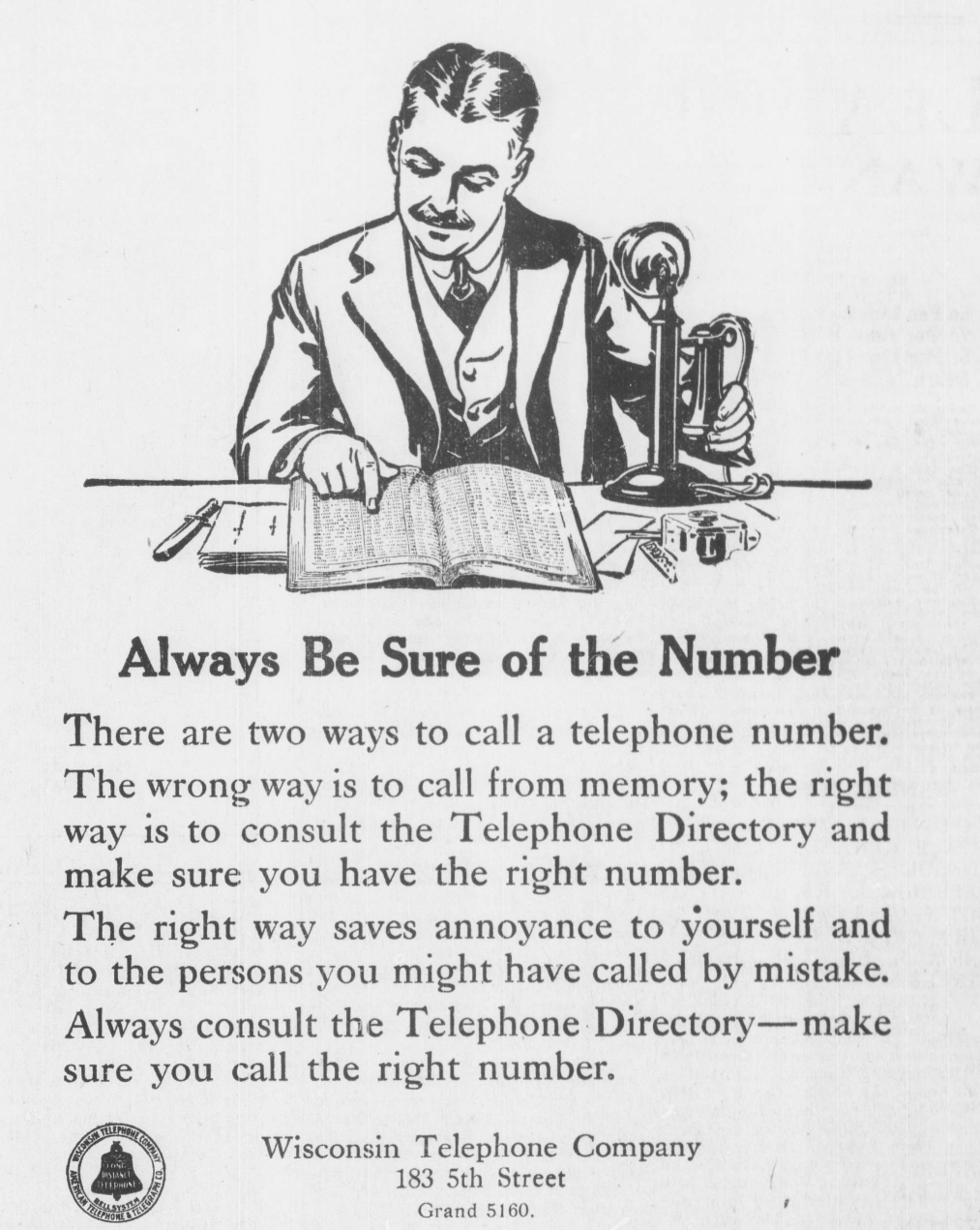
A telephone book, also called a telephone directory, is a compiled list of telephone numbers together with names, addresses and sometimes other details for individuals, businesses and public agencies. Traditionally produced as a printed book, directories were organized to help people find phone numbers quickly before the wide adoption of the internet and mobile phones. Modern equivalents include online directories, directory assistance services and mobile apps.
Image gallery
6 Images


Structure and common types
Directories usually separate listings by type and format. Typical conventions include:
- White pages: residential listings, arranged alphabetically by surname or household name.
- Yellow pages: business and commercial listings often grouped by category (for example, plumbers, restaurants). The term comes from the colored paper originally used for these sections; a representative example is the Yellow Pages.
- Classified or community sections: maps, local services, government numbers, and small advertisements.
- Specialized directories: reverse directories, government or emergency listings, and trade or professional directories.
History and development
Telephone directories emerged as telephony spread in the late 19th and early 20th centuries. Telephone companies and local exchanges often compiled and printed the first books to support subscribers. Over decades, directories grew into substantial publications that also carried advertising and community information. With the rise of the internet and mobile devices, distribution shifted toward online searchable databases and apps, reducing reliance on printed volumes.
Uses and importance
Beyond simply finding a phone number, directories have served multiple purposes: locating businesses by category, tracing historical addresses for genealogical research, providing emergency and government contact details, and supporting local advertising. Directory listings were also an early channel for small-business marketing and community outreach.
Decline, regulation and environmental notes
Printed telephone books have declined markedly as people prefer online search and contact storage. Many regions have introduced rules or opt-out options to curb unwanted delivery of directories. The physical volume of distributed paper raised environmental concerns, so recycling programs and electronic alternatives became common responses.
Notable distinctions and legacy
While the printed telephone book is less central today, its organizational concepts—alphabetical listings, categorized business entries and structured contact data—remain foundational for modern contact services and local search engines. Collectors, historians and libraries still use old directories as sources of social and commercial history, making them a valuable archival resource.
Related articles
Author
AlegsaOnline.com Telephone book (telephone directory): overview, history and uses Leandro Alegsa
URL: https://en.alegsaonline.com/art/96810