
Tejano music (Tex‑Mex): origins, styles, instruments, and cultural influence
Tejano (Tex‑Mex) music is a regional American genre from South Texas blending Mexican and European traditions—accordion-led conjunto, ranchera and mariachi influences, 20th‑century modernization, and 1990s crossover impact.
Overview
Tejano music, often called Tex‑Mex, refers to a regional popular music tradition that developed along the border between Texas and Mexico. It is recognized as a distinct genre combining Mexican song forms with musical elements introduced by European immigrants. Tejano has long been bilingual and hybrid, shaped by community dances, radio, and social clubs in the American Southwest.
Image gallery
7 Images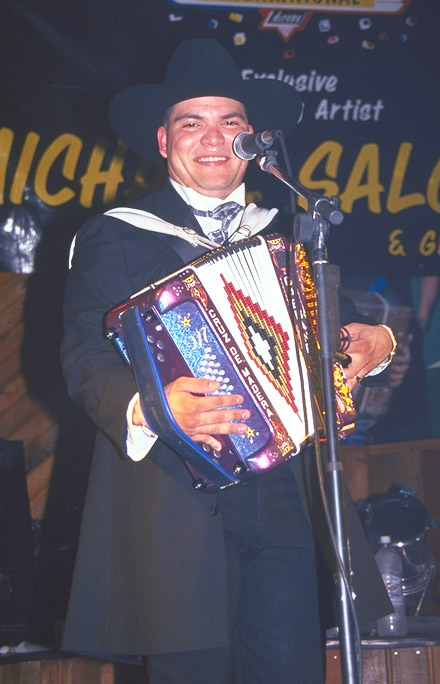


Characteristics and instruments
The sound of Tejano varies from small conjunto ensembles to full dance orchestras. Key characteristics include a prominent accordion lead, polka or waltz‑derived rhythms, and an often syncopated, danceable pulse. Lyrics may be in Spanish, English, or a mixture of both. Typical instruments are:
- Accordion — central to conjunto and many popular Tejano songs.
- Bajo sexto — a 12‑string guitar‑like instrument providing rhythmic and harmonic support.
- Electric guitar, bass, and drum kit — used in modern and orquesta styles.
- Brass and keyboards — added as the genre expanded into larger ensembles and studio production.
History and development
Roots of Tejano trace to the 19th century when German and Central European immigrants introduced polkas, waltzes and the button accordion to Mexican communities; these influences are often summarized as a European folk contribution such as German folk. Over decades, local musicians blended those forms with Mexican traditions like ranchera and mariachi, producing regional styles. By the 20th century, the genre diversified into small conjunto groups, larger orquesta bands, and eventually studio‑produced pop variants that incorporated rock, country and cumbia rhythms.
Styles and notable developments
Major streams within Tejano include conjunto (accordion and bajo sexto driven), orquesta tejana (horns and arranged parts), and Tejano pop (synthesizers and modern production). Dance forms such as polka, waltz and cumbia remain important. In the late 20th century, Tejano artists experimented with crossover sounds aimed at broader North American audiences.
Cultural impact and notable figures
Tejano music has been both a vehicle for cultural identity and a commercial popular music form. Local radio, festivals and dance halls sustained the scene for decades. In the 1990s the genre reached new mainstream attention when performers like Selena attained national and international recognition, drawing younger listeners and creating pathways for crossover success. That era helped bring Tejano into broader conversations about Latino music in the United States.
Contemporary scene and distinctions
Today Tejano remains active at community, regional and recording levels. It is distinguished from related Mexican styles by its particular blend of European dance rhythms, Mexican song traditions, bilingual lyrics, and its historical development within Texas. Local scenes continue to evolve, mixing traditional conjunto sounds with modern production while preserving important social functions—dancing, celebration and cultural expression.
For further exploration, see recordings and historical overviews that trace Tejano’s regional roots, stylistic subdivisions and contemporary artists who keep the tradition alive.
More on Texas • Cross‑border influences • Genre summaries • European influences • Ranchera • Mariachi • Selena and her legacy
Related articles
Author
AlegsaOnline.com Tejano music (Tex‑Mex): origins, styles, instruments, and cultural influence Leandro Alegsa
URL: https://en.alegsaonline.com/art/96772