
Temple of the Dog
Temple of the Dog was a one-off American rock collaboration formed in 1990 by Chris Cornell as a tribute to Andrew Wood; its 1991 self-titled album features the duet 'Hunger Strike' and enduring Seattle-era songs.
Overview
Temple of the Dog was a short-lived but influential American rock collaboration formed in 1990. Initiated by vocalist Chris Cornell of Soundgarden, the project brought together several musicians from the Seattle scene to record a set of songs written in response to the death of their friend and bandmate Andrew Wood. The group recorded one self-titled album, released in 1991, that combined emotional songwriting with the sonic textures associated with early 1990s alternative rock and grunge.
Image gallery
1 Image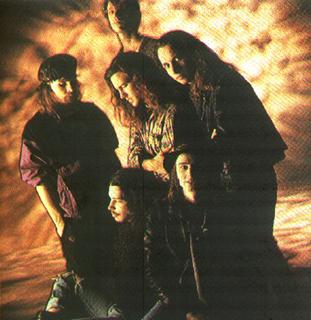
Background and formation
Andrew Wood, who had fronted bands such as Malfunkshun and Mother Love Bone, died suddenly in March 1990. Deeply affected by Wood’s death, Cornell wrote several pieces that were personal responses to the loss and invited fellow artists to join him in the studio to complete the material. The sessions were conceived as a tribute rather than the start of a long-term band; musicians contributed out of friendship and respect, producing a project that emphasized feeling and memorial over commercial goals.
Recording and collaborators
The recording sessions were completed quickly and featured players who were already connected through other projects. The core participants were Stone Gossard (rhythm guitar) and Jeff Ament (bass), both formerly of Mother Love Bone, Mike McCready (lead guitar) and drummer Matt Cameron. Eddie Vedder contributed backing and duet vocals on several tracks. The sessions were produced in a live, straightforward manner, capturing both delicate balladry and louder, electric arrangements. The chemistry among the musicians is widely regarded as a key factor in the project's emotional impact.
Music, themes and notable songs
The album balances mournful tributes and more assertive rock songs. Several pieces address grief, remembrance and the bonds of friendship; others reflect the musical interests of those involved, ranging from melodic rock to heavier, grungier expressions. Two tracks became especially well known: "Say Hello 2 Heaven," a direct and plaintive elegy led by Cornell’s vocals, and "Hunger Strike," a duet in which Cornell and Vedder trade lines in a memorable call-and-response. "Hunger Strike" received radio airplay and a music video that helped introduce the work to a wider audience.
Release, reception and commercial trajectory
On release in 1991 the album met with modest attention, but its profile rose as the members’ other bands — most notably Pearl Jam and Soundgarden — achieved broader success. Critics and fans came to view the record as a distinctive, heartfelt document of its time and place. Over subsequent years it has been reissued and reassessed, with many commentators noting the sincerity of the performances and the unusual convergence of leading Seattle artists on a single collaborative recording.
Legacy and reunions
Although intended as a one-off project, Temple of the Dog maintained cultural resonance. The album is often cited as an important snapshot of the Seattle music community in the early 1990s and a testament to how grief inspired creative collaboration. Members reunited for select performances on occasion, including benefit and anniversary appearances that brought renewed attention to the material. The record continues to be discovered by new listeners and remains a frequently referenced example of a spontaneous, artist-driven tribute.
Personnel and key tracks
- Chris Cornell — lead vocals, acoustic guitar and principal songwriter
- Stone Gossard — rhythm guitar
- Jeff Ament — bass guitar
- Mike McCready — lead guitar
- Matt Cameron — drums
- Eddie Vedder — guest and backing vocals (notably on "Hunger Strike")
Notable songs include "Say Hello 2 Heaven" and "Hunger Strike." While the project did not continue as a full-time band, its single album remains an emotionally direct and musically cohesive tribute that linked several musicians who would go on to shape alternative rock in the 1990s.
For further reading about the Seattle scene, the individual musicians and the album's place in 1990s rock history, consult biographies, contemporary reviews and retrospective pieces available from reliable music journalism sources and documentary accounts.
Questions and answers
Q: Who formed Temple of the Dog?
A: Chris Cornell of Soundgarden formed Temple of the Dog.
Q: Why did Chris Cornell start the band?
A: Chris Cornell started the band as a tribute to his friend, Andrew Wood.
Q: Who was Andrew Wood?
A: Andrew Wood was the lead singer of Malfunkshun and Mother Love Bone.
Q: How did Andrew Wood die?
A: Andrew Wood died of a heroin overdose on March 19, 1990.
Q: Who were the members of Temple of the Dog?
A: The members of Temple of the Dog included Stone Gossard, Jeff Ament, Mike McCready, Matt Cameron, and Eddie Vedder.
Q: How many albums did Temple of the Dog release?
A: Temple of the Dog only released one album, also named Temple of the Dog.
Q: What were the hit songs from Temple of the Dog's album?
A: The hit songs from Temple of the Dog's album were "Say Hello 2 Heaven" and "Hunger Strike", with Chris Cornell singing the lead vocals on "Say Hello 2 Heaven" and Eddie Vedder singing the lead vocals on "Hunger Strike".
Related articles
Author
AlegsaOnline.com Temple of the Dog Leandro Alegsa
URL: https://en.alegsaonline.com/art/96920