
Bay St. Louis, Mississippi — Gulf Coast city and Hancock County seat
Bay St. Louis is a Gulf Coast city in Hancock County, Mississippi, noted for its historic Old Town, arts community, seafood, waterfront setting and long recovery after Hurricane Katrina.
Overview
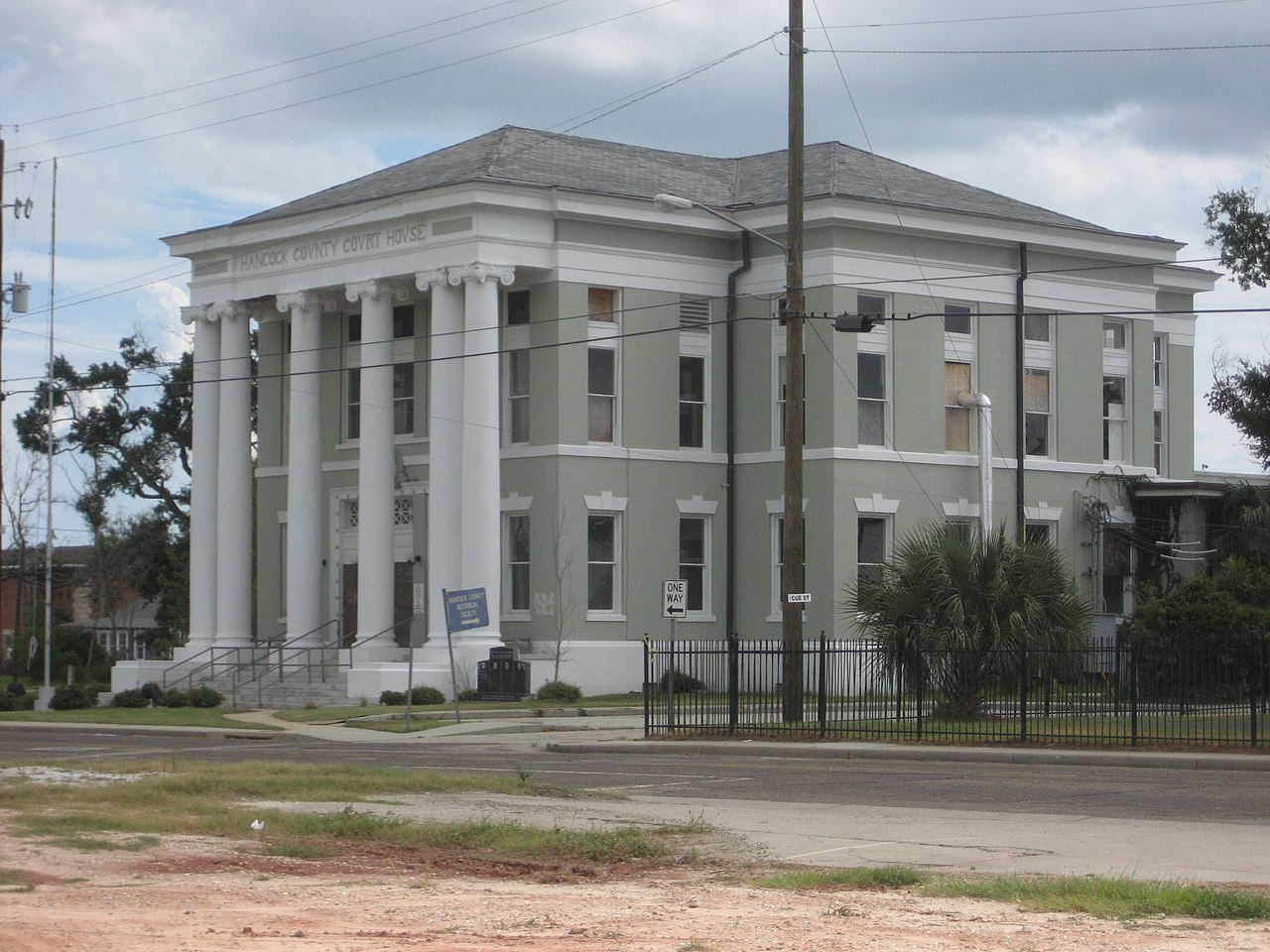
Bay St. Louis is a coastal city in Hancock County, Mississippi, located on the northern shore of the bay that shares its name. It is part of the Gulfport–Biloxi metropolitan area and serves as the county seat. The community was home to about 8,209 residents according to the 2000 census, and its small-city character combines residential neighborhoods, a historic downtown and working waterfront areas.
Image gallery
4 Images


Character and attractions
Bay St. Louis is known for a compact, walkable Old Town with shops, galleries and restaurants clustered near the water. The shoreline, marinas and fishing piers are central to local life, and the town has a reputation as an arts-friendly community with public murals, galleries and seasonal events that draw visitors from the Mississippi Gulf Coast.
- Historic Old Town shopping and dining
- Marinas, fishing and waterfront recreation
- Local arts galleries and community events
- Small-business and seafood-focused economy
History and development
The settlement dates to the region's colonial and early American periods and developed around its natural harbor and coastal resources. Over time it became the administrative center of Hancock County and evolved into a mix of residential neighborhoods, commercial corridors and cultural venues. Its historic buildings and streetscape reflect decades of Gulf Coast architecture and maritime influence.
Katrina and recovery
Like several communities along the upper Gulf Coast, Bay St. Louis suffered catastrophic damage from Hurricane Katrina in August 2005. The storm destroyed homes, businesses and public infrastructure. In the years that followed the city pursued extensive rebuilding, strengthening of seawalls and public facilities, and a focused effort to revive downtown commerce and the arts, efforts that are often cited as examples of community-led recovery.
Importance and distinctions
Bay St. Louis functions as a local government center and cultural hub on the Mississippi Gulf Coast. Its combination of waterfront access, historic downtown, arts scene and small-town atmosphere makes it a distinct community within the larger Gulfport–Biloxi region. Visitors and residents alike value its fishing, boat access, festivals and the restored public spaces that followed post-storm reconstruction. The city remains closely connected by regional roads and by commerce with neighboring coastal towns.
For more detailed municipal information see local government resources and regional guides maintained by county and state agencies or tourism organizations: county seat resources and community planning pages often provide up-to-date data on population, zoning and recovery projects.
Related articles
Author
AlegsaOnline.com Bay St. Louis, Mississippi — Gulf Coast city and Hancock County seat Leandro Alegsa
URL: https://en.alegsaonline.com/art/9673
Sources
- commons.wikimedia.org : Bay St. Louis, Mississippi
- naco.org : "Find a County"