
Technetium
Technetium (Tc, atomic number 43) is a radioactive, silvery-gray transition metal, notable as the lightest element with no stable isotopes and for its medical and industrial applications.
Overview
Technetium is a chemical element with the symbol Tc and atomic number 43. It is a radioactive transition metal found between manganese and rhenium in the periodic table. Technetium is notable for being the lightest element that has no stable isotopes and for its status as the first element to be produced artificially in significant quantities.
Image gallery
7 Images


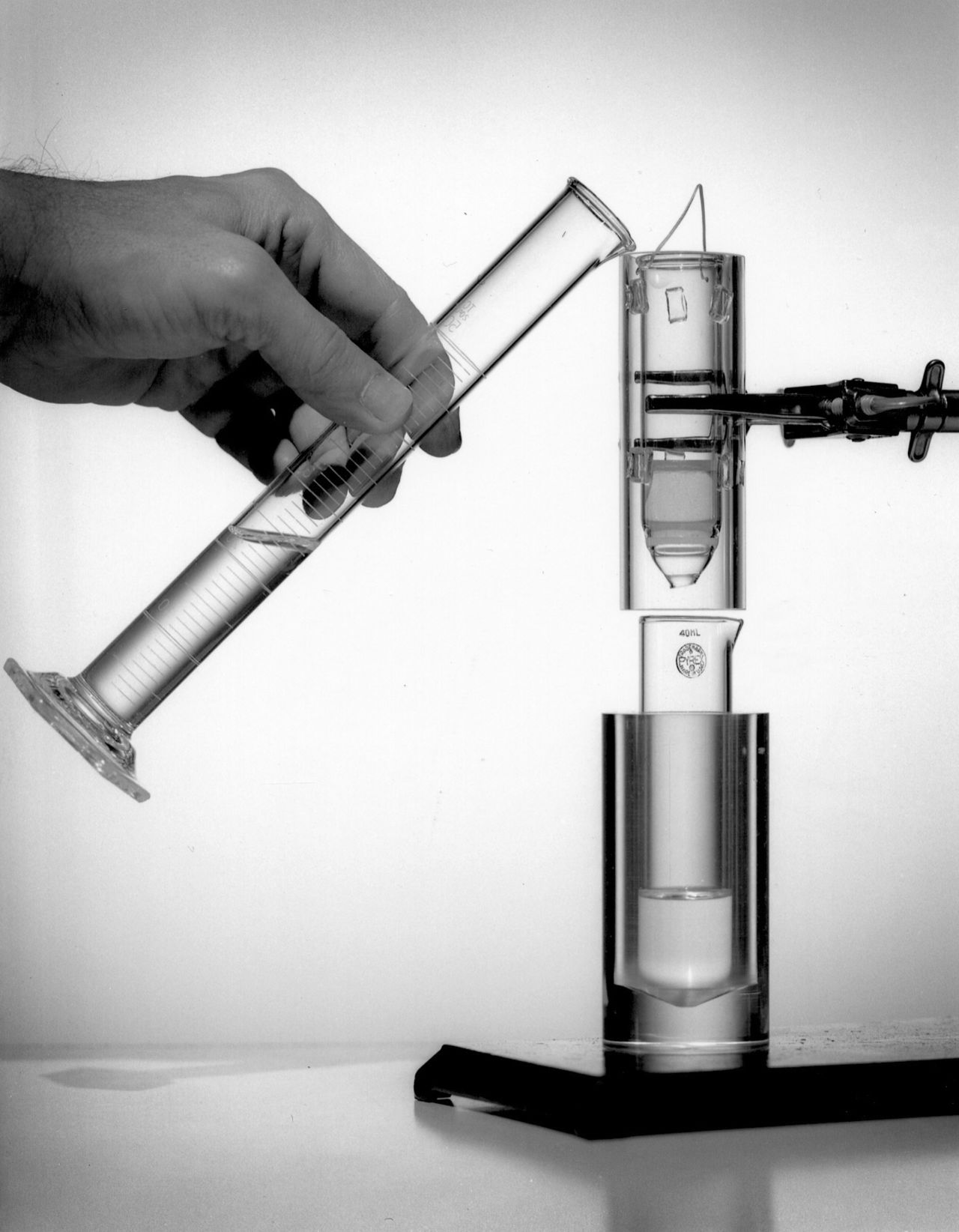


Chemical and physical characteristics
In bulk, technetium is a silvery-gray, brittle metal that exhibits typical transition-metal behavior. It forms a range of oxidation states, most commonly +7 as the pertechnetate anion, TcO4−, which is chemically similar to permanganate. Other frequently encountered states include +4 and +6. Technetium compounds can be chemically reactive and often form coordination complexes that are exploited in applied chemistry.
History and occurrence
Technetium was first produced in the 1930s by nuclear reaction and later identified in trace amounts in nature, where it appears as a rare product of spontaneous fission of uranium and as a decay product of molybdenum isotopes. Its name derives from the Greek word for "artificial," reflecting its early synthesis in laboratory conditions. Natural concentrations are extremely low, so most technetium available today is manufactured.
Production and common isotopes
Most technetium for practical use is obtained from parent isotopes produced in nuclear reactors. The metastable isotope technetium-99m (commonly written Tc-99m) has a short half-life and is widely used in diagnostic nuclear medicine. It is generated from decay of molybdenum-99, which is produced in reactors or particle accelerators. Longer-lived isotopes such as Tc-99 are found in nuclear waste and are considered in waste management strategies.
Uses and importance
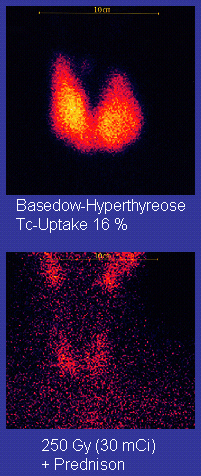
- Medical imaging: Tc-99m is the most important isotope in diagnostic nuclear medicine because its radiation properties allow imaging of organs and bone with relatively low patient dose.
- Industrial and research applications: technetium isotopes and complexes serve as tracers, catalysts, and synthetic intermediates in specialized chemistry.
- Environmental science: pertechnetate mobility in groundwater influences considerations for radioactive waste disposal.
Safety and notable facts
Technetium is radioactive, and handling its isotopes requires proper radiological controls. In clinical use the amounts are small and administered under strict protocols. As a distinctive chemical element, technetium illustrates the intersection of nuclear physics, chemistry, medicine and environmental science. For further technical or reference material on the element, see a general chemical element overview.
Related articles
Author
AlegsaOnline.com Technetium Leandro Alegsa
URL: https://en.alegsaonline.com/art/96674