
Tax resistance: refusal to pay taxes as protest or conscience
Tax resistance is the intentional refusal to pay taxes to protest government policy or for moral reasons. This entry covers motives, methods, history, legal risks, and how it differs from tax avoidance or evasion.
Overview
Tax resistance is the deliberate decision by individuals or groups not to pay some or all taxes owed to a government as an act of protest, conscience, or political strategy. Unlike routine tax avoidance, which seeks to reduce liabilities within the law, tax resistance is typically an openly political or moral statement aimed at government policy, spending priorities, or perceived illegitimacy.
Image gallery
5 Images



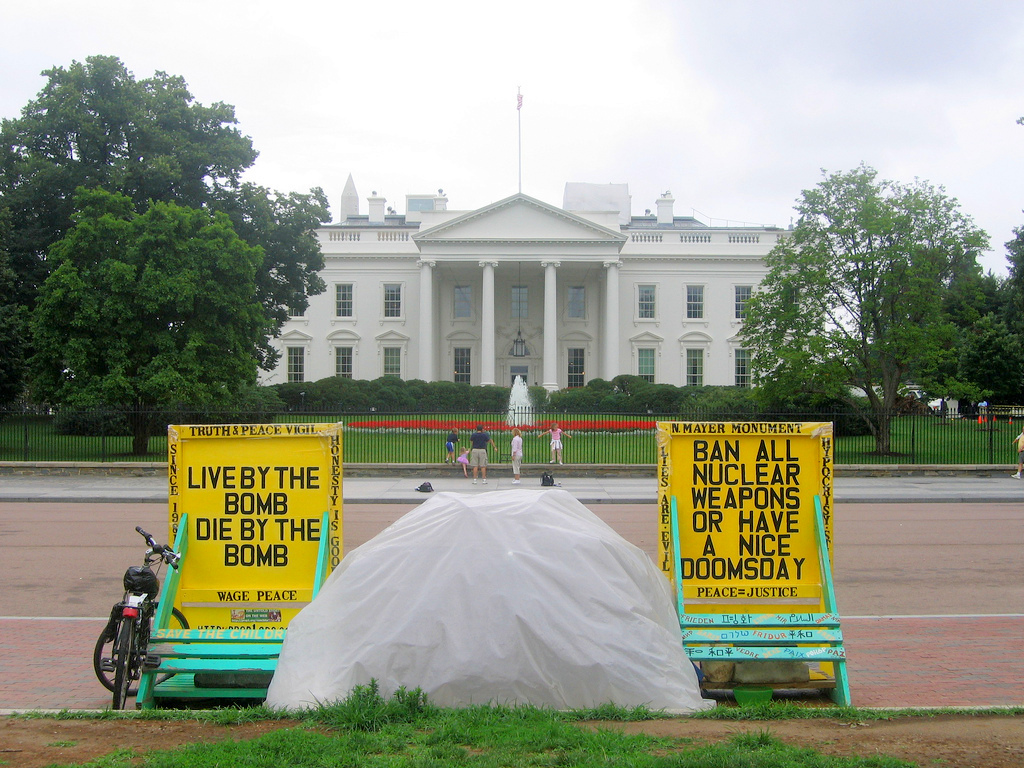
Forms and tactics
People who resist taxes use a variety of tactics depending on their goals and risk tolerance. Some common forms include:
- Refusal to file returns or to pay particular levies (for example, military or specific excise taxes).
- Withholding payroll or income tax payments and accepting legal consequences.
- Redirecting the amount owed to alternative causes or charities and publicizing the act.
- Symbolic gestures such as paying a token amount or returning a tax bill to the issuing authority.
Historical background and notable examples
Tax resistance has a long history as a tool of political struggle. Colonial protests against British taxation helped fuel the American Revolution, and acts of nonpayment and civil disobedience were central to campaigns led by Mohandas Gandhi against British rule in India. In the 19th century, writers and activists such as Henry David Thoreau linked refusal to pay taxes with broader ethical objections to government actions. In the 20th and 21st centuries, movements opposing wars, conscription, or particular public policies have included organized war tax resistance and other coordinated refusals to fund specific state activities.
Motives and social significance
Motivations for tax resistance vary. Some resistors object on moral or religious grounds to how tax revenues are spent (for example, on military action). Others use tax resistance as a tactic of civil disobedience to draw attention to injustice, to delegitimize a government, or to provoke reform. Tax resistance can be a form of collective action that raises awareness and forces debate about public priorities.
Legal consequences and distinctions
Refusing to pay taxes often carries legal consequences such as fines, liens, wage garnishment, or criminal charges, depending on jurisdiction and method. It is important to distinguish tax resistance from related concepts: tax avoidance is the use of legal means to reduce taxes, while tax evasion is illegal concealment aimed at avoiding payment. Tax resistance is politically motivated and frequently public, whereas evasion is typically secretive and driven by personal financial interest.
Effectiveness and contemporary practice
The practical impact of tax resistance varies. Small-scale refusal rarely forces immediate policy change, but high-profile campaigns can influence public opinion and political debate. Some modern resisters attempt to combine legal strategies with public advocacy, seeking sympathetic legal rulings or creating pressure through collective action. Governments commonly respond with enforcement, negotiation, or legal reform depending on the scale and context of resistance.
Notable aspects: tax resistance blends ethics, politics, and law. It can serve as a catalyst for reform or lead to significant personal risk for participants. Understanding the local legal environment and historical precedents is essential for assessing both its potential and its hazards.
Related articles
Author
AlegsaOnline.com Tax resistance: refusal to pay taxes as protest or conscience Leandro Alegsa
URL: https://en.alegsaonline.com/art/96571