
Taulihawa (Kapilvastu Nagarpalika) — historical city in southern Nepal
Taulihawa, officially Kapilvastu Nagarpalika, is the district capital in southern Nepal near the ancient site of Kapilavastu and serves as a local center for archaeology, pilgrimage, and agriculture.
Taulihawa (officially Kapilvastu Nagarpalika) is a municipal city in southern Nepal. It functions as the administrative center of Kapilvastu District and lies in the broader Lumbini region, historically associated with the ancient kingdom of Kapilavastu. Administratively it was long described within the old Lumbini Zone framework and today forms part of the modern arrangements for the Lumbini area.
Image gallery
4 Images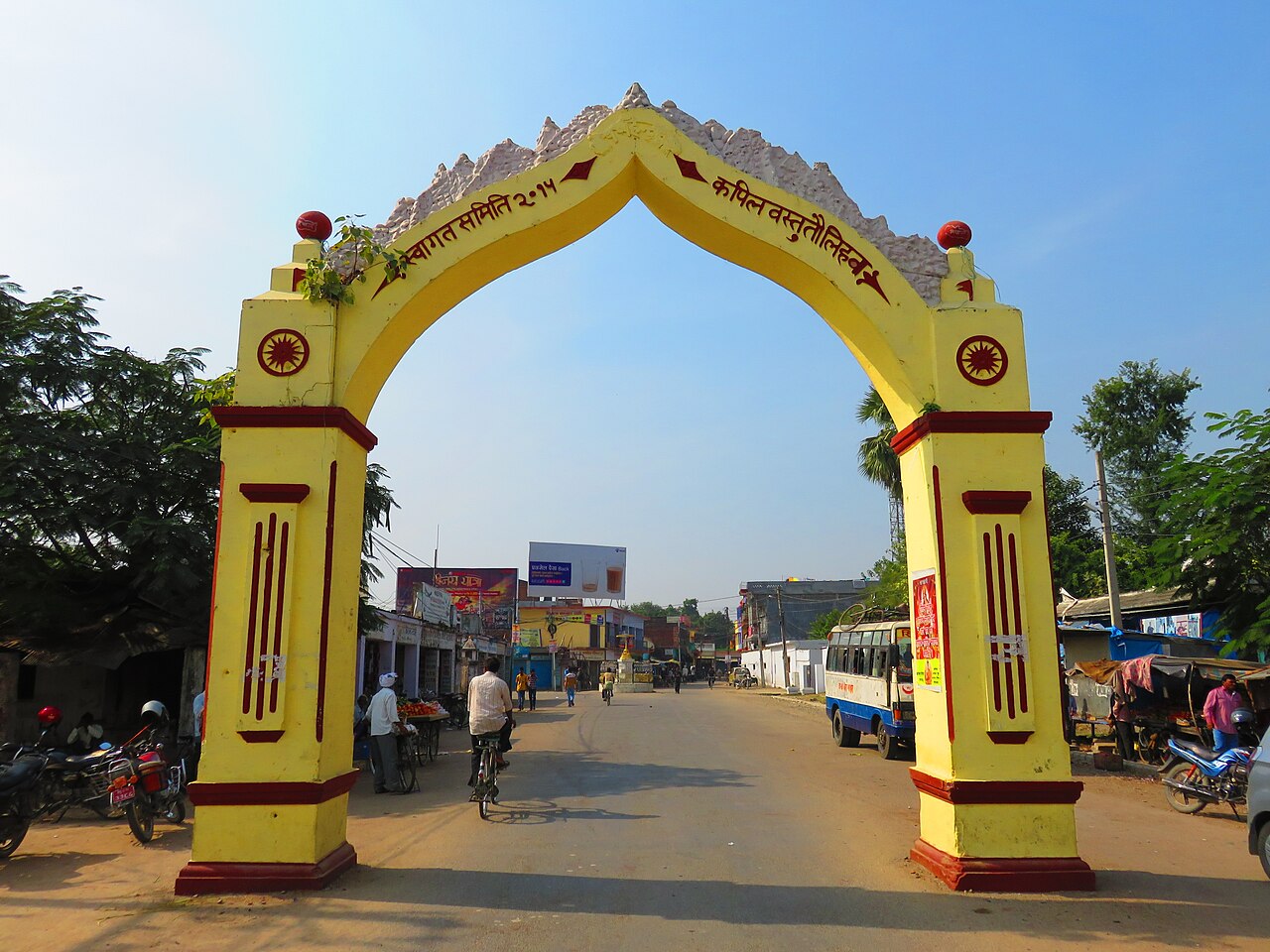


Historical and cultural significance
The name Kapilvastu evokes the early life of Siddhartha Gautama, who later became the Buddha. Taulihawa and its environs are often identified with the ancient capital of the Shakya clan. Archaeological remains in this area attract scholars and pilgrims because they are linked to centuries of Buddhist and regional history, though precise identifications and interpretations have been debated among researchers.
Archaeology and notable sites
- Tilaurakot: an archaeological complex near Taulihawa with ruins of fortifications and settlements interpreted by many as part of ancient Kapilavastu.
- Local monasteries and museums: small collections preserve finds and tell the story of regional culture and early Buddhism.
- Nearby pilgrimage destinations: the wider Lumbini area, revered as the Buddha's birthplace, lies within the same cultural landscape.
Excavations have revealed walls, pottery, and urban traces that document long-term occupation; however, alternative identifications, such as sites across the border in India, have also been proposed, so scholarly caution is normal when discussing specific claims.
Economy, administration and daily life
As a district capital, Taulihawa hosts municipal offices and market centers that serve surrounding agricultural communities. Local livelihoods rely largely on farming, trade, small businesses and services catering to visitors. The municipal government oversees local infrastructure, markets and community services under the official name Kapilvastu Nagarpalika.
Access and tourism
Taulihawa is accessible by regional roads from other parts of Nepal and from nearby border crossings; travelers often combine a visit here with trips to prominent Buddhist sites in the Lumbini zone. Facilities for tourists are modest but growing as interest in archaeology and pilgrimage increases. Conservation and heritage management remain important topics for local and international stakeholders.
Related articles
Author
AlegsaOnline.com Taulihawa (Kapilvastu Nagarpalika) — historical city in southern Nepal Leandro Alegsa
URL: https://en.alegsaonline.com/art/96530