
Unilever: Overview of the Anglo‑Dutch Consumer Goods Company
Unilever is a major Anglo‑Dutch multinational that produces food, home care, and personal care brands sold worldwide. This article summarizes its scope, history, product categories, and notable corporate features.
Overview
British–Dutch multinational Unilever is one of the largest producers of consumer packaged goods. Its portfolio spans food and beverages, home care (cleaning) products, and beauty and personal care items. Unilever brands appear in supermarkets and other retail channels in well over a hundred countries and the company employs a global workforce.
Image gallery
9 Images


Structure and product categories
Unilever organizes its activity into major categories: foods and refreshments, home care, and beauty & personal care. The company manages a wide mix of global, regional and local brands across these categories. Food and refreshments historically contribute roughly two-fifths of group revenue, while home care and personal care make up the remainder. Product availability varies by market, and many household-name brands operate internationally while smaller labels serve regional tastes.
Brands and examples
Its brand portfolio includes long‑standing and recently acquired names. Examples commonly associated with Unilever include:
- Personal care: Dove, Axe (Lynx), Vaseline
- Food & refreshments: Knorr, Hellmann’s, Lipton, Ben & Jerry’s
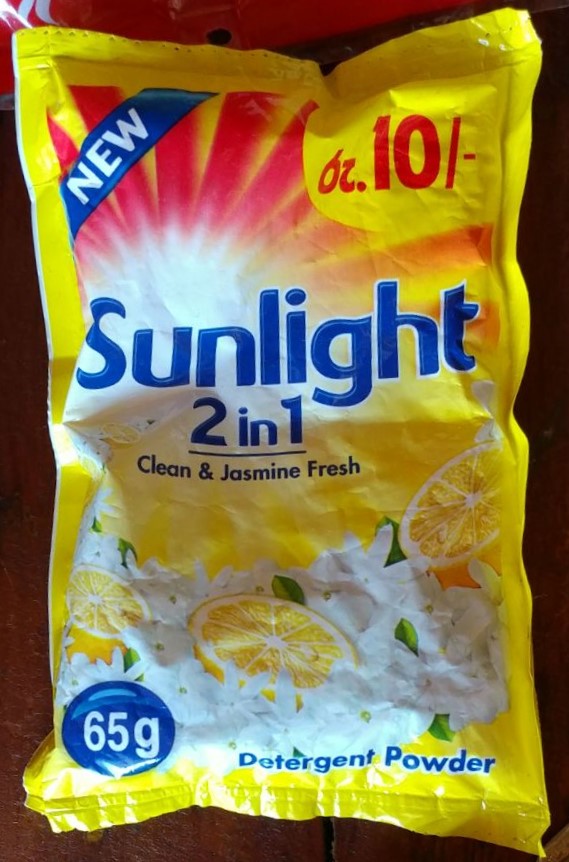
- Home care: Surf, Omo (also marketed under other names)
Origins and corporate development
Unilever was created through the merger of British soap maker Lever Brothers and the Dutch company Margarine Unie in the late 1920s. Over the decades it expanded by developing new products, entering new markets and acquiring other companies. The firm historically maintained an Anglo‑Dutch corporate structure and dual listings, a feature that shaped governance and regulatory matters for much of its history.
Importance, strategy and notable aspects
As a major fast‑moving consumer goods (FMCG) company, Unilever influences global supply chains, retail assortment and brand marketing. The company has emphasized sustainability and social responsibility in recent strategic initiatives, including commitments aimed at reducing environmental impact and improving sourcing. It also adapts products and marketing to diverse regional preferences, balancing global brands with local innovation. Discussion about corporate structure, governance and brand portfolio changes has been a recurring theme for investors and observers.
Further reading
For more on Unilever’s markets and products see general industry resources on food producers and summaries of beauty and personal care sectors. Corporate reports and regulatory filings provide up‑to‑date details on employment, revenues and strategy.
Questions and answers
Q: What type of company is Unilever?
A: Unilever is a British-Dutch multinational company.
Q: What is the main focus of Unilever's business?
A: Unilever is one of the biggest producers of consumer goods worldwide.
Q: How many countries does Unilever operate in?
A: Unilever operates in 100 countries.
Q: What percentage of Unilever's revenue comes from food products?
A: Food is about 40% of the revenue of Unilever.
Q: What other types of products does Unilever produce?
A: Cleaning agents, beauty products and personal care products make up the remaining 60% of the revenue.
Q: How many people work for Unilever worldwide?
A: Around 168,000 people work for Unilever.
Q: How widely available are Unilever's products?
A: Unilever's products can be found in about 190 countries.
Author
AlegsaOnline.com Unilever: Overview of the Anglo‑Dutch Consumer Goods Company Leandro Alegsa
URL: https://en.alegsaonline.com/art/147073