
Tarrafal (municipality), Santiago Island, Cape Verde
Tarrafal is a northern Santiago municipality in Cape Verde with coastal beaches, a town seat called Tarrafal, a history linked to a former political prison, and an economy of fishing, farming and tourism.
Overview
Tarrafal is a coastal municipality on the northern part of the island of Santiago in Cape Verde. Its administrative centre is the town of Tarrafal, which gives the municipality its name. The territory covers about 120.8 km2 and had a population of roughly 18,500 at the 2010 census, making it one of the smaller municipalities on the island while combining shoreline communities with upland rural areas. For administrative details see the municipality page and general information about the island on the island of Santiago resource.
Image gallery
9 Images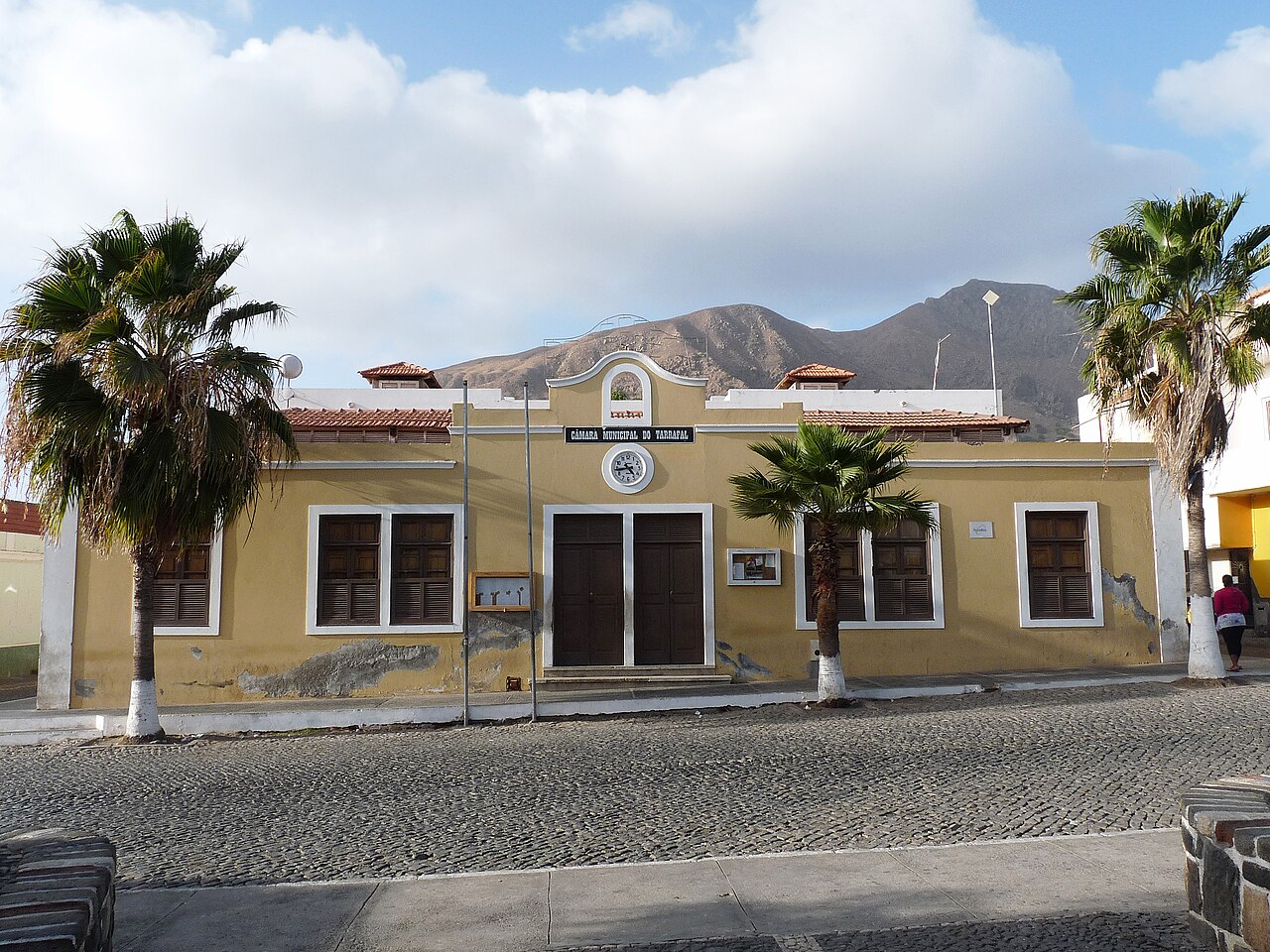


Geography and environment
Tarrafal occupies a stretch of northern coastline and extends inland toward hilly terrain. The coastline includes a number of sandy coves and a well-known beach near the town, while the interior rises toward volcanic ridges and cultivated terraces. The area supports coastal and dryland agricultural systems and borders or lies close to protected highland areas that preserve native vegetation and endemic wildlife.
History and cultural heritage
The municipality and its principal town developed during the colonial period as port, fishing and agricultural settlements. Tarrafal is widely known for the former concentration camp located nearby, established by the Portuguese Estado Novo in the 1930s to detain political prisoners; the site has since been preserved as a memorial and museum. Local culture reflects a mix of maritime traditions, Creole music and rural practices typical of Santiago.
Economy and society
The local economy combines small-scale fishing, subsistence and market-oriented agriculture, and an expanding tourism sector attracted to the beach and historical sites. Services and public administration in the town provide employment, while seasonal activity increases during holiday periods. Community life centres on market days, religious festivals and events connected to fishing and farming cycles.
Administration, population and services
The municipal government is responsible for local infrastructure, schools and basic services across urban and rural settlements. Population density varies from the town, where services are concentrated, to more dispersed villages inland. Transport links connect Tarrafal with other parts of Santiago, facilitating commerce and visitor access.
Notable places and visitors' tips
- Tarrafal Beach: a popular sandy bay near the town used for swimming and relaxation.
- Former camp and museum: the preserved prison complex is a significant historical site and place of remembrance.
- Upland areas: scenic routes and nearby natural reserves offer hiking and nature observation opportunities.
Visitors should respect local customs and the memorial nature of historical sites. For further background and practical information consult official municipal resources and island guides via the links above.
Related articles
Author
AlegsaOnline.com Tarrafal (municipality), Santiago Island, Cape Verde Leandro Alegsa
URL: https://en.alegsaonline.com/art/96423
Sources
- ine.cv : "2010 Census results"