
Tartar (Graubünden) — former municipality in Switzerland
Tartar was a small municipality in the Hinterrhein district of Graubünden, Switzerland, merged into Cazis in 2010. Its history, landscape and role in local municipal reform are summarized here.
Overview
Tartar was a small alpine community that until 2010 existed as an independent municipality in the district of Hinterrhein in the canton of Graubünden, in Switzerland. On 1 January 2010 the former municipalities of Portein, Präz, Sarn and Tartar were incorporated into the larger municipality of Cazis. The change was part of a wider trend of municipal consolidation in Switzerland intended to improve administrative efficiency and local services.
Image gallery
3 Images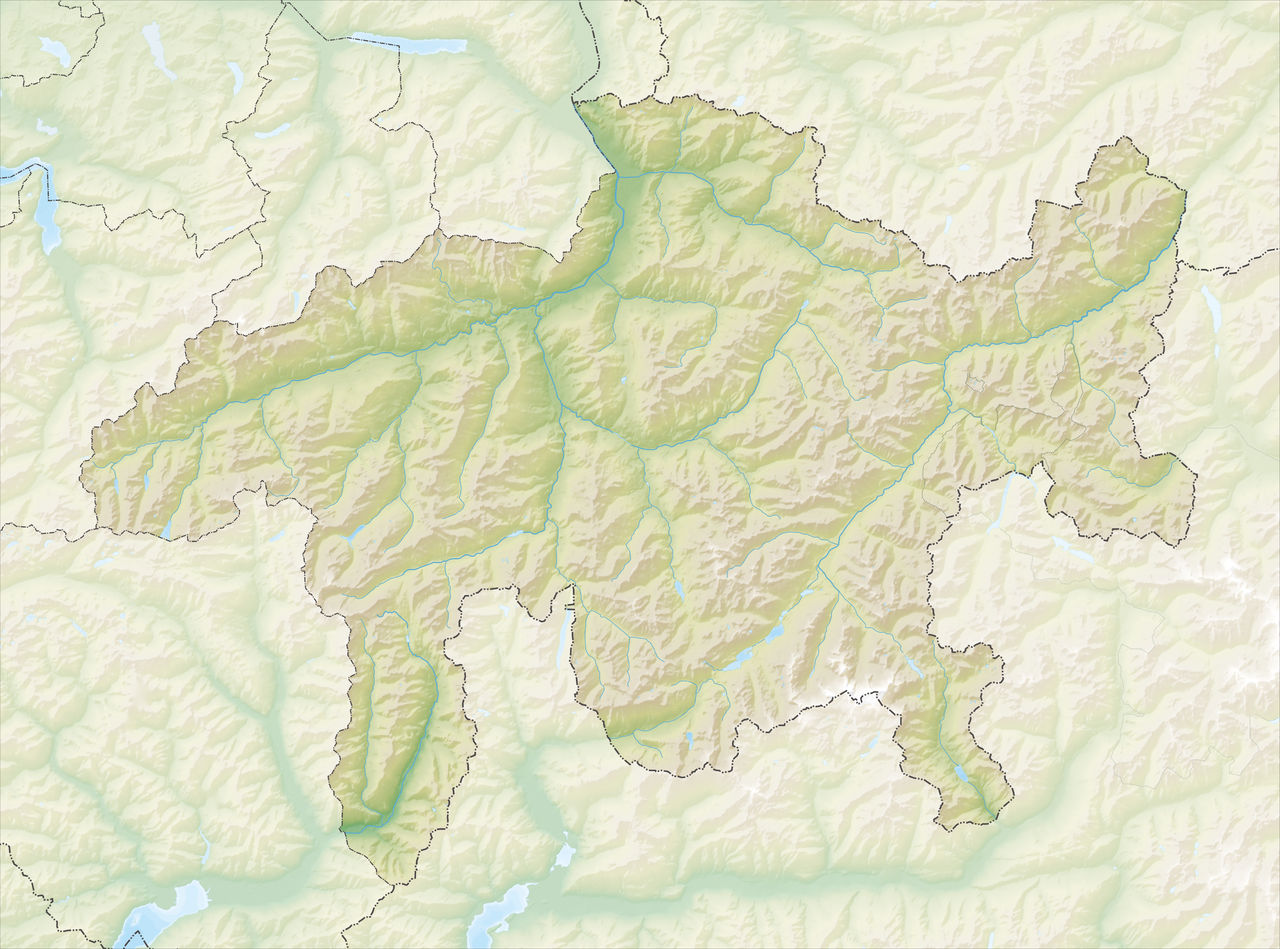


Geography and character
Tartar lies within the alpine Rhine valley region and typifies many small communities of Graubünden: steep terrain, mixed pastures and woodland, and buildings reflecting traditional mountain architecture. The village setting supports a rural lifestyle with agriculture, forestry and small-scale local businesses. Proximity to valley roads and trails makes the area accessible for hikers and seasonal visitors.
History and administration
Like many settlements in the region, Tartar has roots stretching back several centuries and developed under the influences of local lordships, parishes and cantonal administration. Before the merger it had its own municipal council responsible for local planning, schooling and communal services. The 2010 amalgamation transferred those responsibilities to Cazis while aiming to preserve local identity and traditions.
Modern significance and legacy
The incorporation of Tartar into Cazis illustrates common issues in Swiss local governance: small municipalities balancing historical identity with economic and administrative realities. Today Tartar is administered as part of Cazis, but it remains a distinct village with local cultural markers, paths, and buildings that continue to attract residents and visitors interested in rural Graubünden.
Key points
- Former independent municipality in Hinterrhein, Graubünden.
- Merged on 1 January 2010 with Portein, Präz, and Sarn into Cazis.
- Typical alpine village economy and landscape; part of broader municipal consolidation efforts.
Related articles
Author
AlegsaOnline.com Tartar (Graubünden) — former municipality in Switzerland Leandro Alegsa
URL: https://en.alegsaonline.com/art/96438