
Tamworth, Staffordshire
Tamworth is a large market town and borough in Staffordshire, England, northeast of Birmingham. Known for its medieval castle, Anglo‑Saxon history, canals and market traditions, it has a population of around 77,000.
Tamworth is a large market town and administrative borough in central England. It lies about 14 miles (23 km) north‑east of Birmingham and is part of Staffordshire. The settlement is commonly described as a market town and the surrounding area is administered as a borough. A mid‑late 2010s estimate put the town's population at roughly 77,000 people.
Image gallery
10 Images




History and name
Tamworth has deep roots in the early medieval period and is often identified with the principal centre of the Anglo‑Saxon kingdom of Mercia. Its name is associated with the nearby River Tame; the suffix "-worth" is Old English, indicating an enclosed settlement. Remains and buildings from successive periods—Saxon, Norman and later—reflect the town's long occupation and strategic importance.
Landmarks and transport
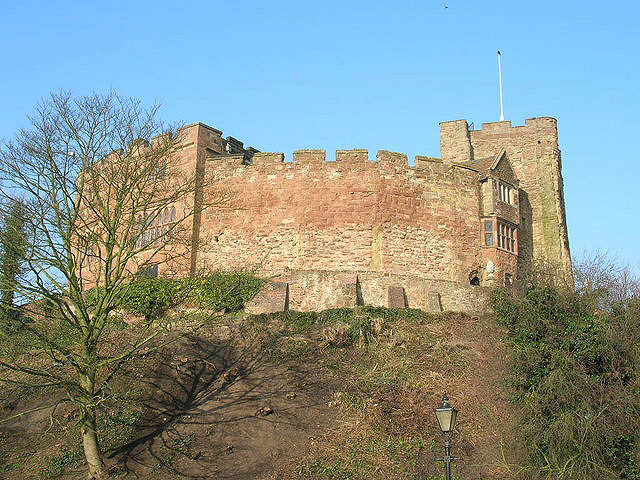
Dominant features of Tamworth's townscape include Tamworth Castle, a Norman stronghold that sits above the river, and the parish church of St Editha close by. The town is also notable for its network of canals, where the Coventry Canal and the Birmingham and Fazeley Canal meet, offering waterside routes and towpath access. Tamworth is served by regular rail services and by major road links that facilitate commuting and regional travel.
Economy, markets and culture
Historically a market centre, Tamworth still hosts markets and local retail, combined with light industry and service businesses. Its position near a large conurbation means many residents commute out for work, while the town supports community events, leisure facilities and heritage tourism centred on its castle and canals.
Notable facts
- Tamworth gives its name to the Tamworth pig, a well‑known traditional breed.
- The town combines ancient sites with modern administration as a borough within Staffordshire.
- For travel and practical information see local transport and council resources (examples: rail timetables and borough services via official pages and visitor guides linked from regional portals at transport providers or local tourism pages).
Further reading and visitor information can be found through local archives, heritage groups and municipal sources; for authoritative overviews consult regional histories and contemporary council publications available online or in public libraries (borough documentation and tourism pages are useful starting points).
Related articles
Author
AlegsaOnline.com Tamworth, Staffordshire Leandro Alegsa
URL: https://en.alegsaonline.com/art/96235
Sources
- genuki.org.uk : GENUKI
- geograph.org.uk : geograph.org.uk/search.php?form=simple&q=Tamw&go=Find
- visionofbritain.org.uk : "History of Tamworth in Warwickshire - Map and description"