
Tamaulipas: northeastern Mexican state
Tamaulipas is a northeastern Mexican state bordering Texas and the Gulf of Mexico. Its capital is Ciudad Victoria and it has about 3,025,000 inhabitants. Economy centers on border trade, ports and agriculture.
Tamaulipas is a state in the northeast of Mexico. It sits between the Gulf of Mexico and the international border with Texas. The political capital is Ciudad Victoria. The state has a population of about 3,025,000 people and combines coastal plains, river valleys and higher inland terrain.
Image gallery
10 Images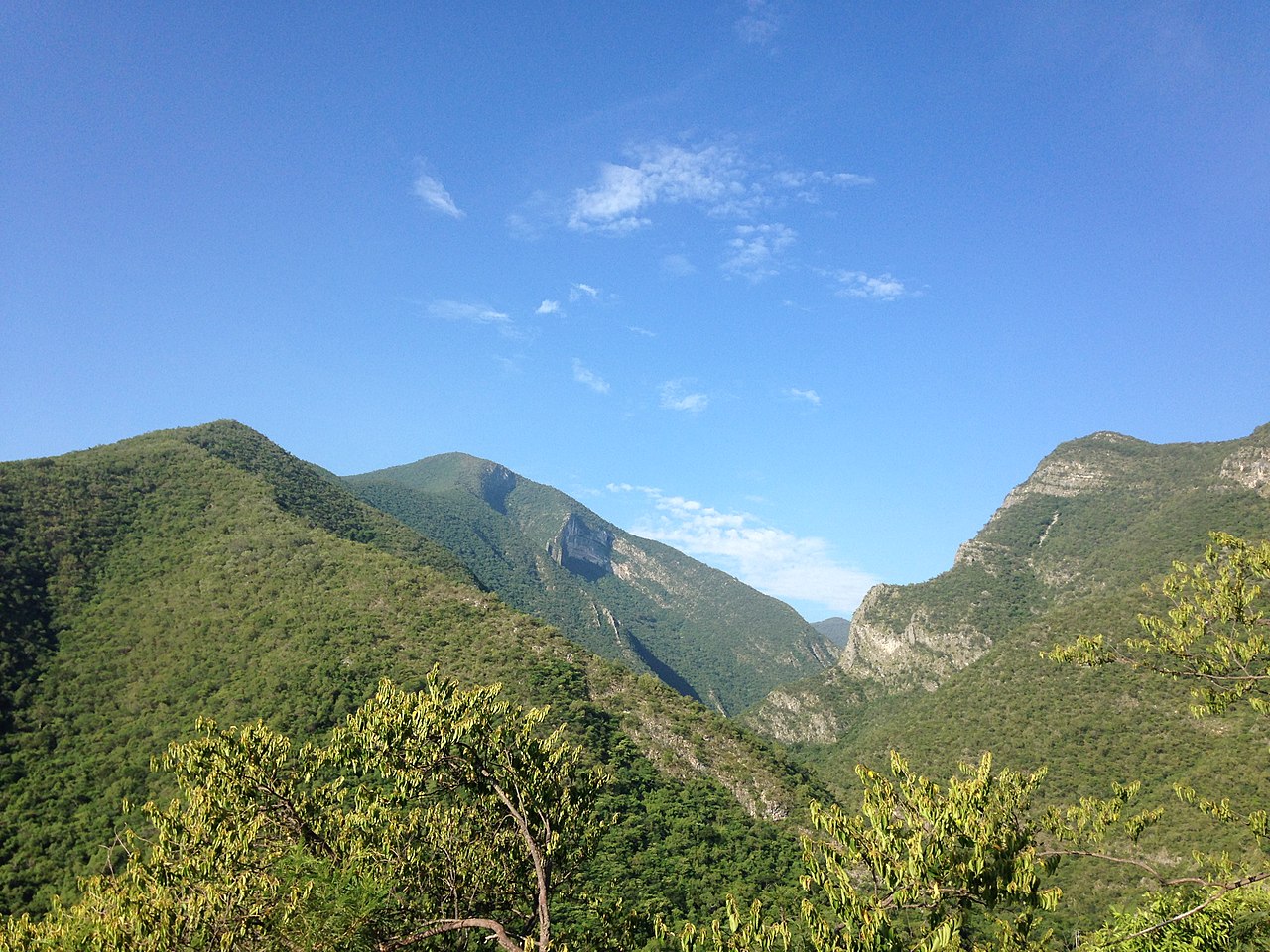


Geography and climate
Tamaulipas includes a long Gulf coastline, marshes and barrier islands, coastal plains that meet the Sierra Madre Oriental foothills to the west, and the Río Bravo (Rio Grande) along the U.S. border. Climatic conditions range from humid subtropical and tropical along the coast to drier, semi-arid areas inland.
Economy and cities
The state economy is diverse: international trade and manufacturing along the border, commercial fishing and ports on the Gulf coast, and farming in fertile valleys. Major urban centers include:
- Reynosa — important border manufacturing and logistics hub
- Nuevo Laredo and Matamoros — border cities with large trade flows
- Tampico and Ciudad Madero — coastal port and industrial area
History and population
The region was home to a variety of indigenous peoples before Spanish colonization in the 16th century. After Mexico achieved independence, the territory became one of the country’s states in the 19th century. Its communities today reflect a blend of indigenous, Spanish and northern Mexican influences.
Culture, environment and issues
Cultural life includes coastal seafood traditions, regional music such as norteño styles, and local festivals. Ecologically the state supports important wetlands and migratory bird routes. In recent decades Tamaulipas has also been prominent as a cross-border corridor for commerce and migration and has confronted security and development challenges linked to organized crime and informal migration.
Because of its strategic location on the Gulf and the U.S. border, Tamaulipas plays a key role in Mexico’s international trade, energy activity near the coast, and regional cultural exchange with the southern United States.
Related articles
Author
AlegsaOnline.com Tamaulipas: northeastern Mexican state Leandro Alegsa
URL: https://en.alegsaonline.com/art/96188