
Tando Allahyar: Overview, geography, economy and culture
Tando Allahyar is a district capital in Sindh, Pakistan, known for its agricultural plains, irrigation networks, and diverse cultural heritage. This article summarizes its location, economy, history and local life.
Tando Allahyar is a town and the administrative center of Tando Allahyar District in the province of Sindh, Pakistan. Its Sindhi name is shown as ٽنڊو الهيار, and it functions as a regional hub for surrounding agricultural areas. The town combines municipal services with markets that serve nearby villages and farms.
Image gallery
3 Images

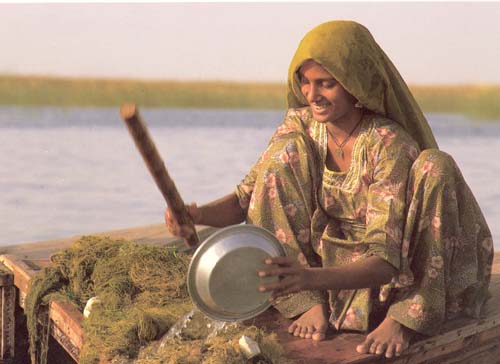
Location and landscape
Situated on the fertile plains of lower Sindh, Tando Allahyar benefits from irrigation fed by canals that branch from the Indus River system. The landscape is predominantly flat and agricultural, with fields of seasonal crops, orchards and grazing areas. The climate is typically subtropical: very hot in summer, with cooler, drier winters.
History and name
The prefix "Tando" appears in several place names across Sindh and commonly denotes a settlement or encampment. Over time the area around Tando Allahyar developed into a market town and administrative center. Local history is shaped by patterns of irrigation, agrarian settlement and the region's role as part of broader Sindhi cultural and economic networks.
Economy and agriculture
Agriculture is the dominant economic activity. Farmers in the district produce fruit, cotton, sugarcane and various cereal crops, and orchards — including mango groves — are an important source of income. Local bazaars trade agricultural produce and agricultural services, while small-scale industry and transport services support the rural economy.
Society, culture and administration
The town serves as the seat of the district government (Tando Allahyar District) and provides education, healthcare and administrative services for the surrounding area. The population includes Sindhi-speaking communities alongside speakers of Urdu and other regional languages. Religious and cultural life includes mosques, Sufi shrines and temples, and seasonal festivals and markets that reflect the area's mixed heritage.
Transport and connections
Tando Allahyar is connected to nearby cities by road and local rail links that facilitate movement of people and agricultural goods to larger markets. Ongoing infrastructural improvements typically focus on water management, transport and public services to support the district's role as an agricultural center.
- Key features: district headquarters, irrigated agriculture, regional marketplaces.
- Languages: primarily Sindhi and Urdu; local dialects and communities present.
- Significance: serves as a local administrative and commercial center in lower Sindh.
For more detailed administrative or demographic data consult provincial records or regional studies that focus on Sindh's districts and rural economies.
Related articles
Author
AlegsaOnline.com Tando Allahyar: Overview, geography, economy and culture Leandro Alegsa
URL: https://en.alegsaonline.com/art/96253