
Taichung City: Central Taiwan's cultural and economic hub
Taichung City is a major west‑central Taiwan municipality known for its temperate climate, diverse economy, cultural attractions, and status as the island's second-largest city.
Overview
Taichung City (臺中市 / 台中市, POJ: Tâi-tiong) sits in west‑central Taiwan and is one of the island's principal urban centers. With a metropolitan population of over 2.7 million people, it ranks as the second largest city in Taiwan. The city's name can be translated as "Central Taiwan," reflecting its geographic position on the western plains between coastal lowlands and rising foothills.
Image gallery
10 Images



Geography and climate
Taichung occupies a broad basin and extends from the coastal plain to the nearby hills, giving it a mix of urban, agricultural and wetland environments. The nearby coastline includes shallow tidal flats and wetlands that are important for birdlife. The local climate is relatively mild: average annual temperature is about 23°C and annual rainfall is roughly 1.7 metres, producing warm, humid summers and mild winters compared with inland highlands.
History and development
The settlement that became Taichung expanded during the late Qing and Japanese colonial periods as agricultural land and transport routes were developed. In the later 20th century the area industrialized and urbanized rapidly. In 2010 the former Taichung City and Taichung County were administratively merged to form a single special municipality, reflecting the growth of the metropolitan region and consolidating municipal services and planning.
Economy and transport
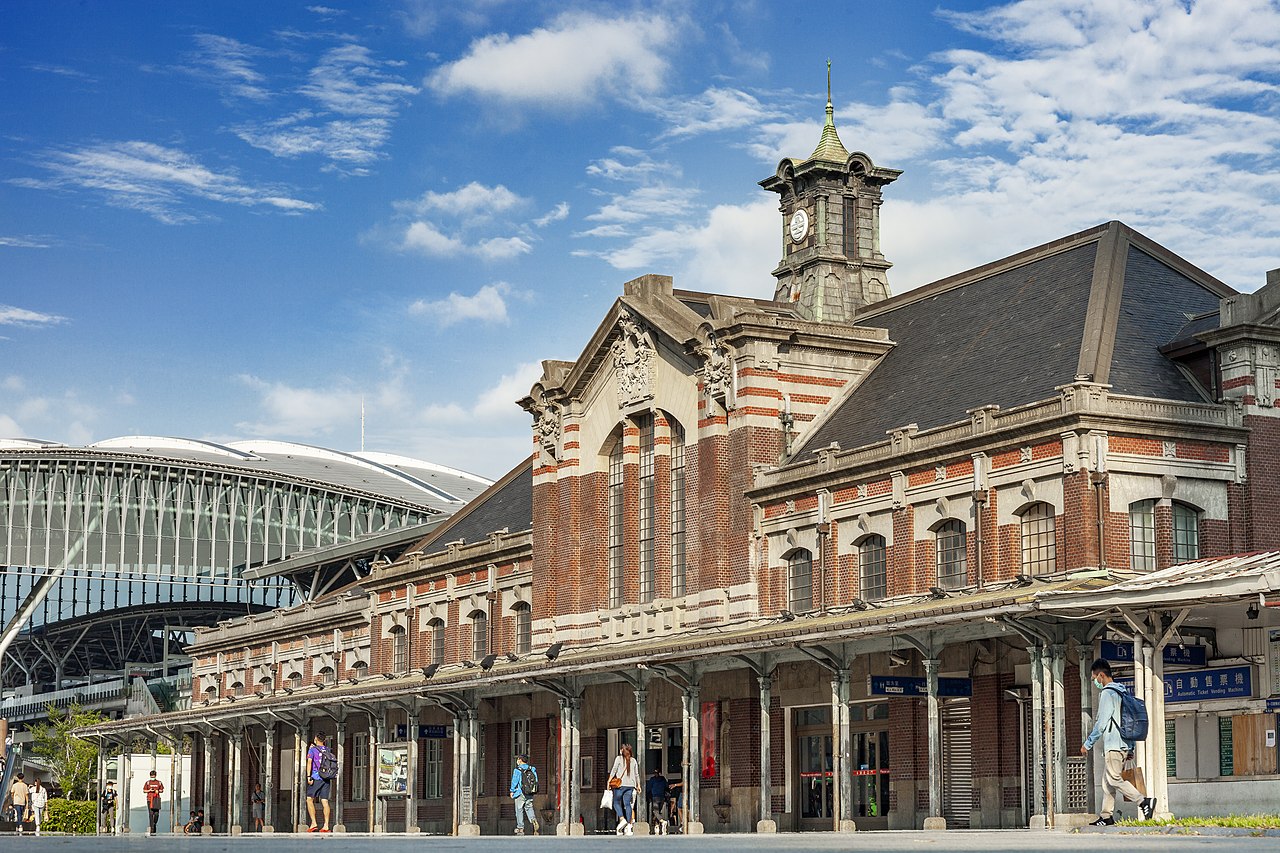
Taichung's economy blends manufacturing, high‑tech and service sectors, with significant activity in machinery, precision equipment, and creative industries. It also functions as a regional commercial and logistics hub because of good road and rail links. Public transport and connections include conventional rail lines, a high‑speed rail station in the broader Taichung area, intercity buses, and an airport serving domestic and limited international flights.
Culture, attractions and events
The city is known for a lively cultural scene, museums, performing arts venues, and food markets. Notable sites and attractions include:
- Major museums and science centers that appeal to families and researchers.
- Contemporary performance spaces and public art installations.
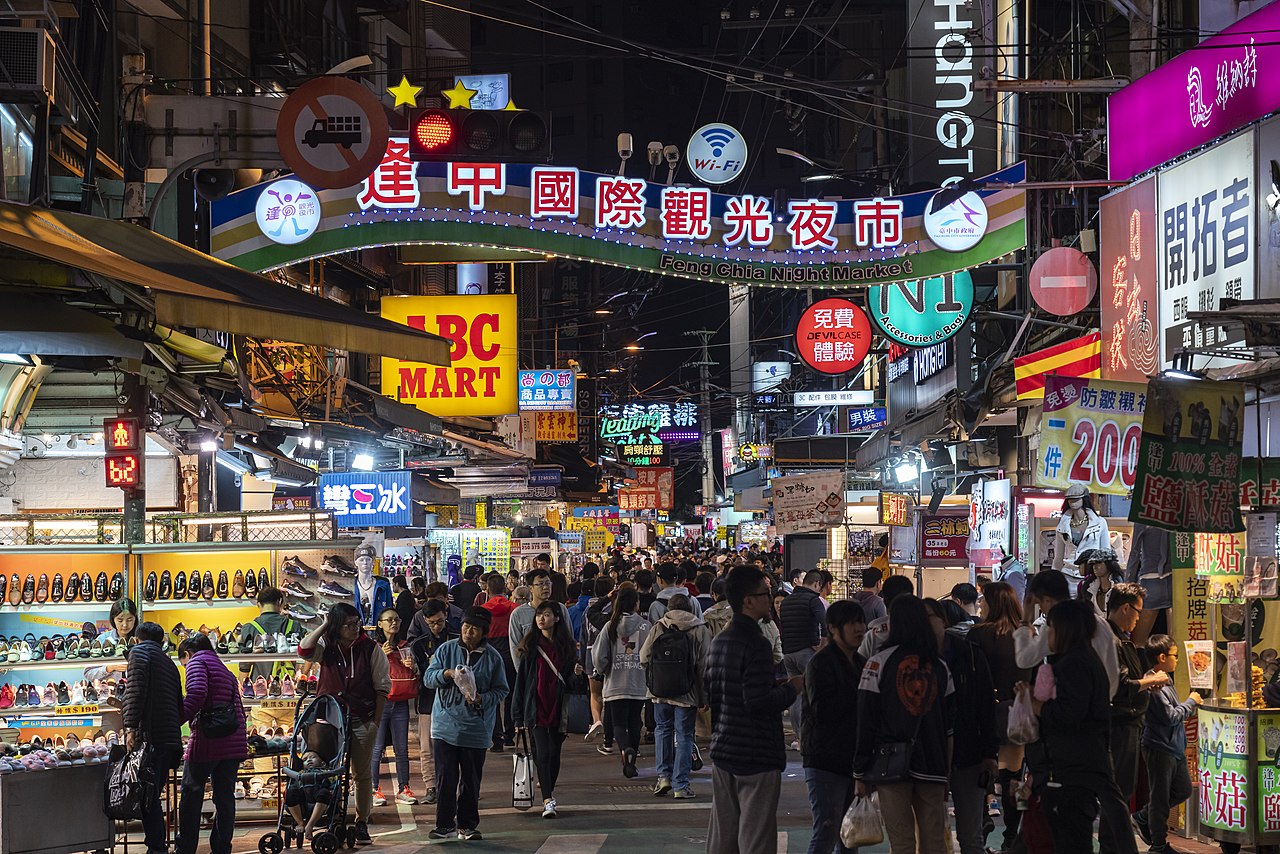
- Large night markets and street‑food districts, popular with residents and visitors.
- Coastal wetlands and reclaimed areas that serve as nature reserves and birdwatching sites.
Taichung also hosts seasonal festivals and exhibitions that highlight horticulture, design, music and local cuisine, helping to raise its profile as both a tourist destination and a center for creative industries.
Notable facts and distinctions
Compared with northern and southern parts of Taiwan, Taichung is often perceived as having a more moderate climate and a balance between urban amenities and nearby natural landscapes. Its central location on the western side of the island makes it a practical base for exploring central Taiwan's cultural and scenic offerings, while municipal consolidation in the early 21st century has guided coordinated urban planning and infrastructure investment.
Related articles
Author
AlegsaOnline.com Taichung City: Central Taiwan's cultural and economic hub Leandro Alegsa
URL: https://en.alegsaonline.com/art/95912