
T. J. Yates — American Football Quarterback and Career Overview
Profile of T. J. Yates (b. 1987), a quarterback who played at North Carolina and was a fifth‑round pick by Houston; overview of his 2011 breakthrough, role as a backup, and notable games.
Overview
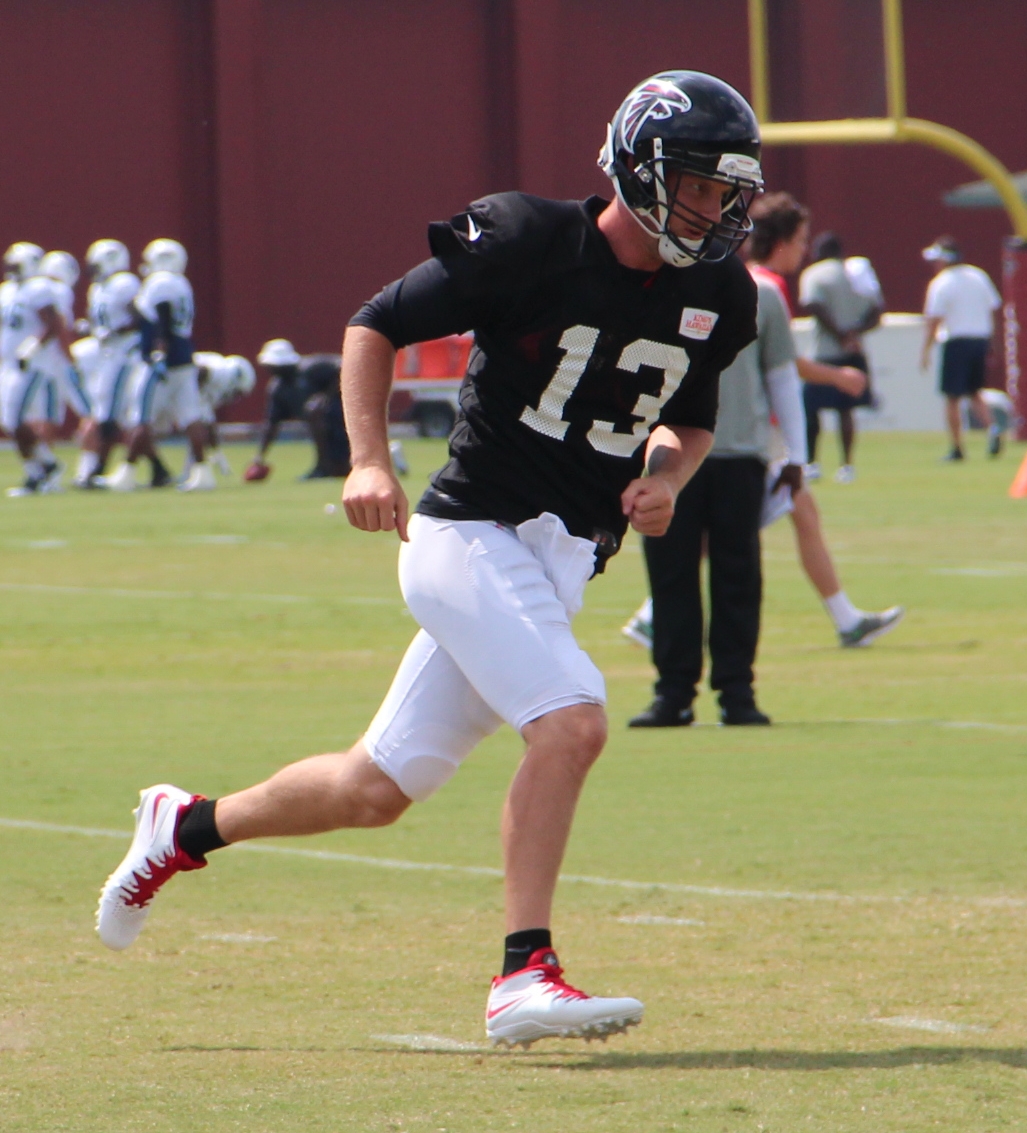
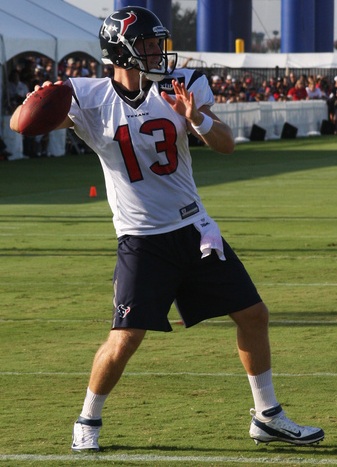
T. J. Yates (born May 28, 1987) is an American football player who has served primarily as a professional quarterback. He played college football for the North Carolina Tar Heels and entered the professional ranks when he was selected in the fifth round of the 2011 draft by the Houston Texans of the National Football League.
Image gallery
4 Images

College and Draft
At the University of North Carolina, Yates developed as a starting quarterback and gained attention for his leadership and game management. After completing his college eligibility he was taken in the fifth round of the 2011 NFL Draft, chosen by Houston, where he joined the roster as a developmental player and depth option behind the established starters.
2011 Season: Breakthrough and Playoffs
Yates rose to national attention late in the 2011 season when an injury to starter Matt Schaub opened the door for him to start. During the remaining regular‑season games he combined for multiple touchdown passes and interceptions but most notably guided the Texans into the postseason. In his first NFL playoff start he played effectively in a Wild Card victory over the Cincinnati Bengals, helping Houston earn its first franchise postseason win. The Texans advanced to the divisional round, where Yates and the offense were defeated by the Baltimore Ravens.
Role and Playing Style
Following the 2011 playoffs, Yates settled into the role of a backup quarterback. He has been valued for his readiness to step into starting duty when injuries or roster moves require it. As a player he has been characterized by a measured, conservative approach: managing the offense, taking care of the football, and making routine throws while minimizing unnecessary risks.
Notable Games and Moments
- Wild Card playoff win over the Cincinnati Bengals — Yates' first postseason start and the franchise's initial playoff victory.
- Divisional round matchup with the Baltimore Ravens — a tougher outing that ended Houston's 2011 postseason run.
Legacy and Context
T. J. Yates is often remembered as an example of a late‑round pick who made the most of an unexpected opportunity. While his career did not include long stretches as an entrenched starter, his 2011 contributions remain a notable chapter in the Texans' history. He exemplifies the reserve quarterback role in the modern NFL: preparing quietly, stepping up in pressure situations, and contributing veteran depth to a roster.
Related articles
Author
AlegsaOnline.com T. J. Yates — American Football Quarterback and Career Overview Leandro Alegsa
URL: https://en.alegsaonline.com/art/95763