
T-Mobile Park: Seattle's Major League Baseball Stadium
T-Mobile Park is the Seattle Mariners' home ballpark, opened in 1999 to replace the Kingdome. Known for its weather-adaptive roof, natural grass, and fan-focused amenities, it hosts games and public events in Seattle's SoDo area.
Overview
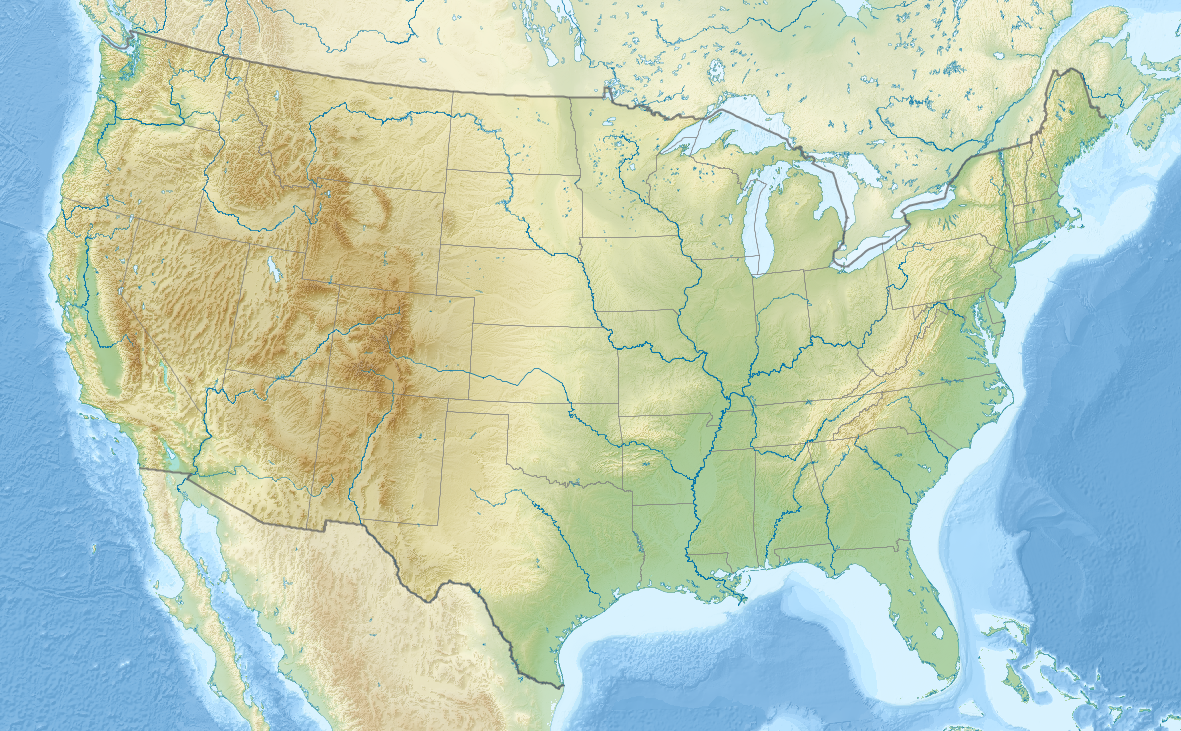
T-Mobile Park is the home stadium of the Seattle Mariners, a club of Major League Baseball. Located in Seattle's commercial SoDo neighborhood, it opened in 1999 as the replacement for the multipurpose Kingdome. The ballpark was built to provide a more intimate, baseball-focused setting while accommodating the rainy Pacific Northwest climate.
Image gallery
9 Images



Design and characteristics
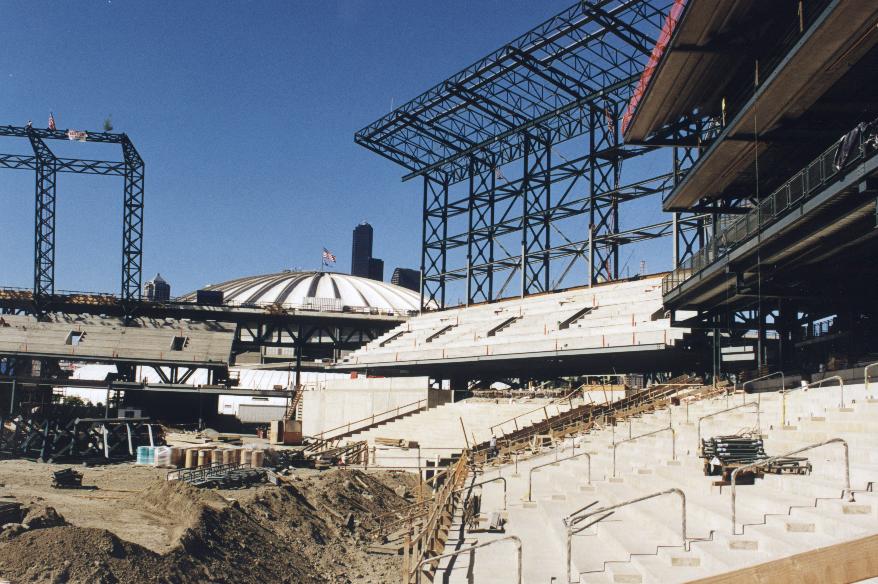
The facility combines an open playing surface with a movable roof that can be closed against rain and wind. The field uses a natural grass playing surface, surrounded by a seating bowl intended to improve sightlines and fan proximity to the action. Architectural choices emphasize clear views, sheltered concourses, and varied seating options from field level to upper decks.
- Weather-adaptive roof that opens or closes depending on conditions
- Natural grass playing surface maintained for professional play
- Varied seating and club spaces designed for year-round comfort
- Accessibility and transit connections serving the SoDo district
History and naming
The ballpark opened in 1999 under the name Safeco Field after a local insurance company obtained naming rights in a long-term deal. In late 2018 the Safeco agreement ended and the Mariners entered a new naming-rights partnership with a national wireless carrier. Beginning January 1, 2019, the stadium was renamed T-Mobile Park, reflecting a multi-decade agreement with the carrier's U.S. business. The venue retains strong ties to Seattle's civic identity and to the Mariners franchise (link to team).
Uses, events, and significance
Primarily designed for professional baseball, the ballpark also hosts postseason play, concerts, community gatherings, and other special events. Its adaptable roof and urban location make it suitable for a range of activities throughout the year. Economically and culturally, the stadium is a focal point for neighborhood revitalization, drawing visitors to nearby restaurants, shops, and transit hubs.
Notable facts and distinctions
Replacing the multiuse Kingdome, the new ballpark represented a shift toward sport-specific facilities in many U.S. cities. Fans and commentators often note its combination of an open-field atmosphere with weather protection, and its design that prioritizes fan sightlines and amenities. The stadium's naming history illustrates the broader trend of corporate naming partnerships for modern sports venues.
Visiting and access
Visitors find the ballpark reachable by multiple transit options and within walking distance of central Seattle neighborhoods. On game days, the surrounding area fills with restaurants, team stores, and fan zones. For those planning a visit, checking event schedules and transit advisories in advance helps ensure the best experience.
For further reading about the venue's role, design, and events, consult municipal resources and team publications that describe ongoing upgrades and community programs associated with the ballpark.
Related articles
Author
AlegsaOnline.com T-Mobile Park: Seattle's Major League Baseball Stadium Leandro Alegsa
URL: https://en.alegsaonline.com/art/95756
Sources
- mlb.com : "Mariners' home facility renamed T-Mobile Park"
- commons.wikimedia.org : T-Mobile Park