
Synchronized swimming (artistic swimming)
A hybrid aquatic sport combining swimming, dance and gymnastics. Routines are performed to music and judged on technical skill, synchronization, difficulty and artistic impression.
Overview
Synchronized swimming, officially called artistic swimming by the sport's international federation, is a competitive water sport in which athletes perform choreographed routines to music. The discipline blends elements of swimming, dance and gymnastics and is judged for precision, timing and creativity as much as for physical ability. Routines may be performed by solos, duets, mixed duets, teams and combination formats depending on the competition.
Image gallery
4 Images


Characteristics and core skills
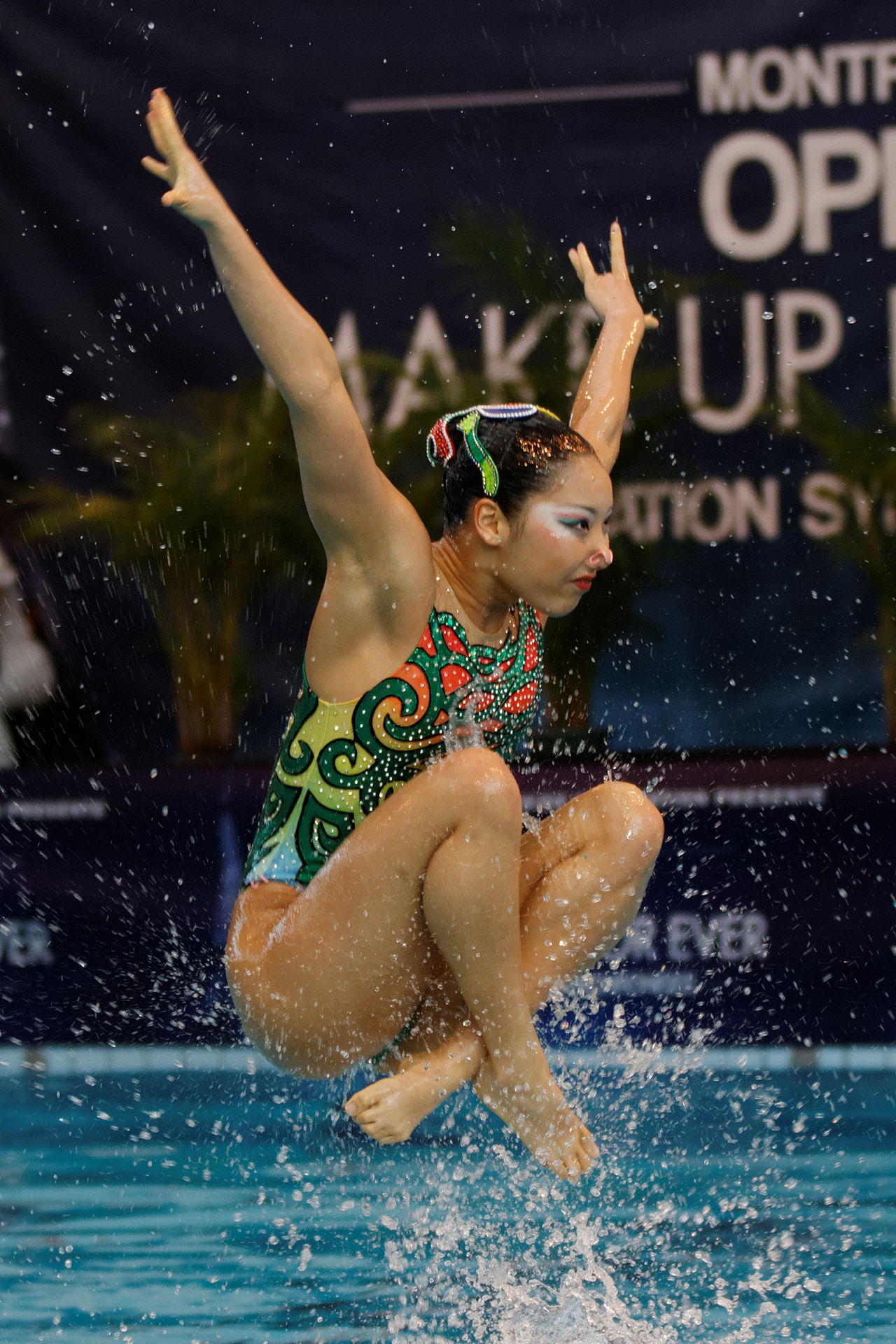
Performances take place in a deep pool where athletes must manage orientation in three dimensions while appearing effortless. Key technical skills include sculling (hand motions providing lift and balance), the eggbeater kick (a rotary leg action that keeps the head above water), seamless transitions, lifts and thrusts, and synchronized patterns. Breath control, core strength, flexibility and musical interpretation are essential; swimmers often execute extended underwater sequences while maintaining precise timing with teammates.
Training and preparation
Training combines in-pool practice with land-based conditioning. Athletes practice choreography with and without music, work on strength and flexibility, and use underwater speakers to learn timing. Coaches emphasize breath-holding techniques, cardiovascular fitness, coordinated counting systems and injury prevention. Competitors commonly use nose clips and styling products to keep hair secure during dramatic movements.
History and development
Early forms of synchronized aquatic display date to the late 19th and early 20th centuries as staged water ballets and exhibitions. The sport evolved into a competitive discipline in the mid-20th century and became an Olympic event in 1984. In recent decades it has broadened to include mixed-gender events and has been governed internationally under the name artistic swimming since a name change by the governing body in the 2010s.
Competition formats and judging
Major competitions feature technical routines with required elements and free routines emphasizing creativity. Judges evaluate technical merit, synchronicity, difficulty and artistic impression. Scores combine execution and artistic scores, and penalties may be applied for errors such as touching the pool floor or failing to synchronize with teammates. Olympic programs currently highlight duet and team events, while other competitions include solos and mixed duets.
Importance and notable facts
- Synchronized swimming is a highly aerobic and strength-demanding sport that develops body control and endurance.
- Music is played underwater so athletes can hear cues while submerged.
- Because of its theatrical aspect, choreography, costume and expression play a large role in judges' impressions.
- Risks include overuse injuries, ear and sinus irritation from chlorinated pools, and the challenge of managing long breath-hold sequences safely.
Often described as one of the most demanding aquatic sports for coordination, synchronized (artistic) swimming remains distinctive for combining elite athleticism with the aesthetics of performance art.
Related articles
Author
AlegsaOnline.com Synchronized swimming (artistic swimming) Leandro Alegsa
URL: https://en.alegsaonline.com/art/95664
Sources
- olympic.org : "Natation synchronisée équipement et Histoire"
- synchroquebec.com : synchroquebec.com
- commons.wikimedia.org : synchronized swimming