
Sviatoslav I, Prince of Kiev: warrior-ruler of the 10th century
Sviatoslav I was a 10th-century ruler of Kievan Rus'. A warrior prince known for his campaigns against the Khazars and in the Balkans, he reshaped regional power before his death in 972.
Sviatoslav I was a prominent 10th-century ruler of the polity known as Kievan Rus'. Born to Igor I of Kiev and Olga of Kiev, he established a reputation as a campaigning, warrior-prince who ruled from the early 960s until his death in 972. His reign is remembered for lengthy military expeditions that altered trade routes and regional balances of power.
Image gallery
10 Images




Background and character
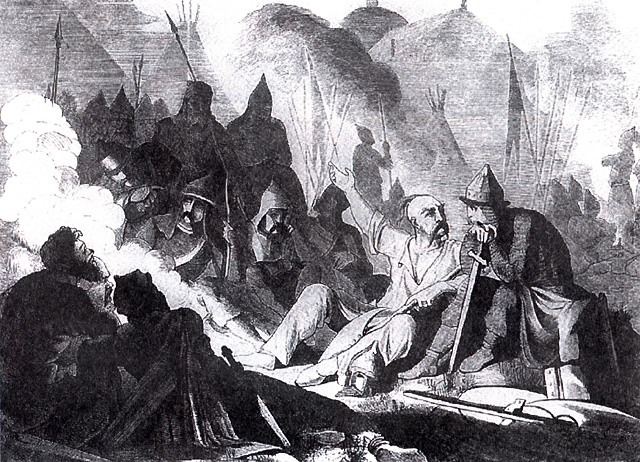
Sviatoslav inherited a realm that combined Slavic principalities, Norse traditions, and steppe influences. He is often portrayed in the chronicles as preferring life on campaign to court administration: living among his troops, moving along river routes, and relying on fast-moving cavalry and naval flotillas. Unlike his mother Olga, who adopted Christianity, Sviatoslav remained a pagan, a factor that shaped his relations with Byzantium and other Christian neighbors.
Major campaigns and military actions
During his reign Sviatoslav led several major campaigns that expanded and tested the limits of Kievan power. His most famous actions include a decisive campaign against the Khazar state, whose commercial and political dominance in parts of the steppe had long affected Rus' trade. He also pressed south into the Balkans and for a time asserted control over territories of what is now Bulgaria.
- Destruction of key Khazar centers that disrupted steppe trade networks;
- Campaigning on the Danube and occupation of Bulgarian towns;
- Conflicts and negotiations with the Byzantine Empire over influence and trade.
These expeditions relied on river navigation and alliances with nomadic groups, demonstrating a military style adapted to the geography of Eastern Europe and the Pontic steppe.
Death and immediate consequences
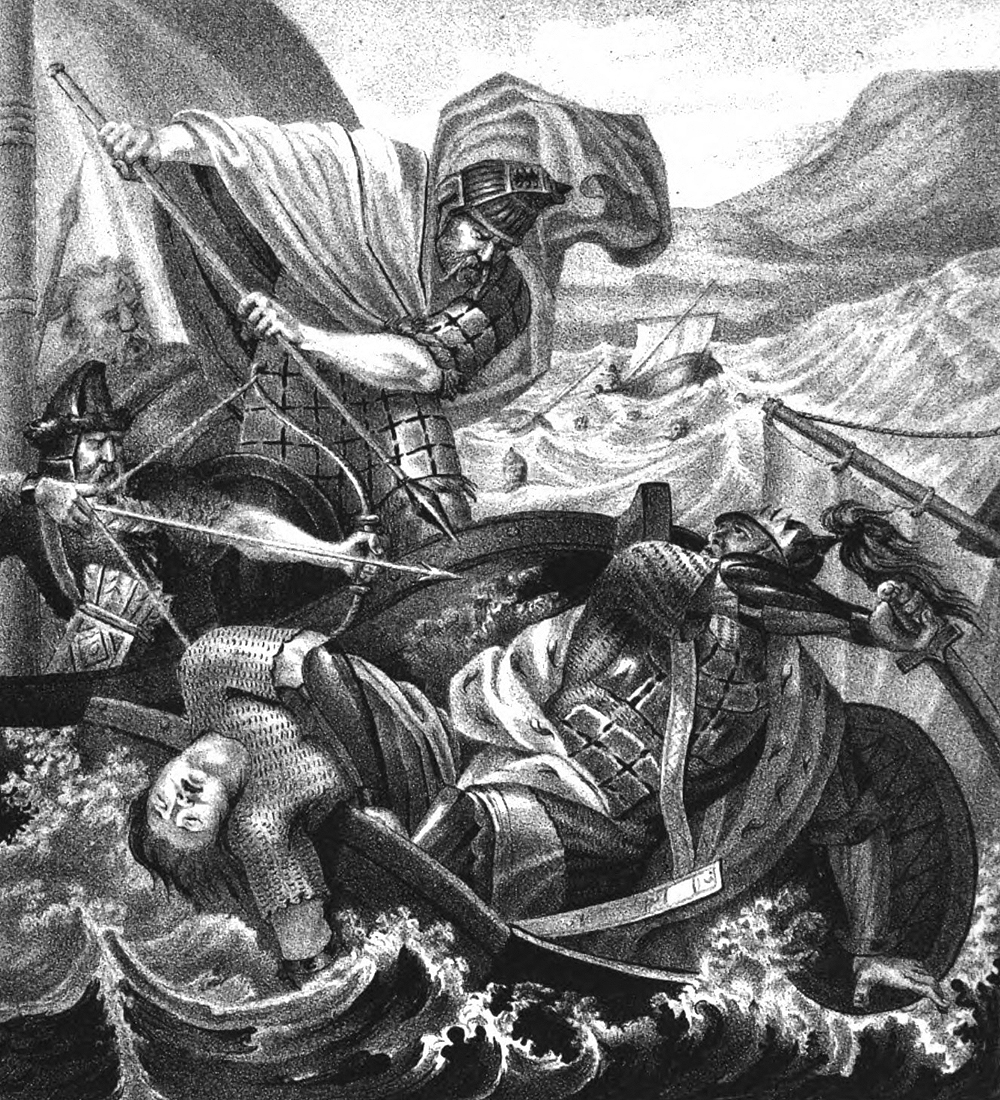
While returning from the Balkans in 972 Sviatoslav was killed in an ambush by steppe nomads. His death removed a dominant military figure and led to a period of competition among his successors, reducing the coherence of the territories he had won. The disappearance of Khazar power after his campaigns also altered the economic and political map of the region, opening routes that linked the northern principalities more directly to Black Sea trade.
Legacy and historical significance
Sviatoslav's brief but vigorous reign marked a turning point for the medieval state centered on Kiev. By challenging the Khazars and projecting power into the Balkans he helped to redirect trade and diplomatic ties. He is remembered both as a fierce warrior and as a formative figure in the history of the early Kievan Rus', whose actions influenced the later development of the territories that include parts of modern Ukraine.
Related articles
Author
AlegsaOnline.com Sviatoslav I, Prince of Kiev: warrior-ruler of the 10th century Leandro Alegsa
URL: https://en.alegsaonline.com/art/95388