
Swami Vivekananda: Life, Teachings, and Global Influence
Indian Hindu monk and reformer Swami Vivekananda (1863–1902) brought Vedanta and Yoga to the West, founded the Ramakrishna Mission, and inspired religious and social renewal in modern India.
Overview
Swami Vivekananda (born Narendranath Datta; 12 January 1863 – 4 July 1902) was a Hindu monk, religious thinker, and social reformer whose work placed traditional Indian spiritual ideas in a modern, global context. A chief disciple of the mystic Ramakrishna Paramahansa, Vivekananda helped shape the modern presentation of Indian spirituality and promoted the practical application of religious principles to public life. He is widely remembered for introducing Vedanta and Yoga to Western audiences and for his address that began "Sisters and Brothers of America" at the Parliament of the World's Religions in Chicago, which brought him international attention.
Image gallery
10 Images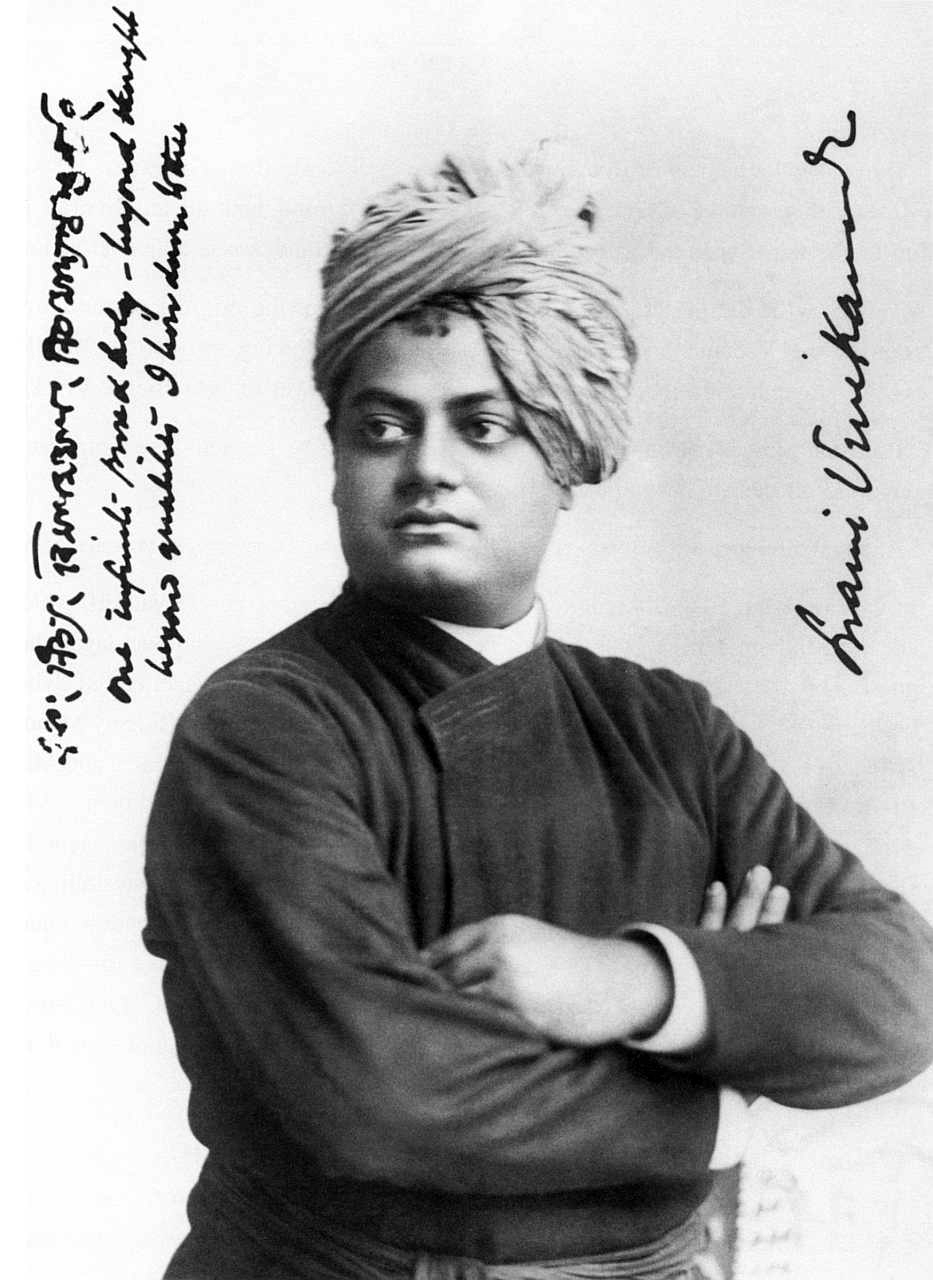


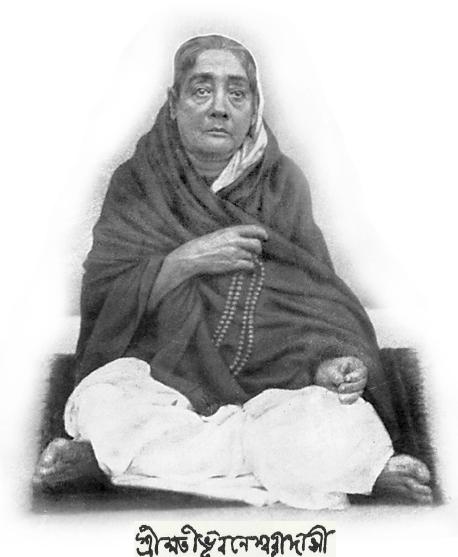
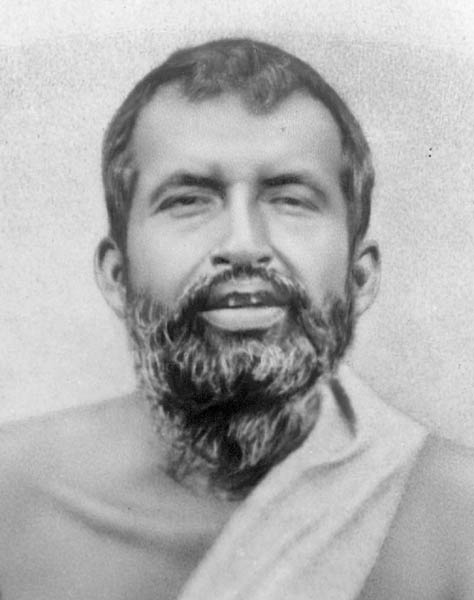
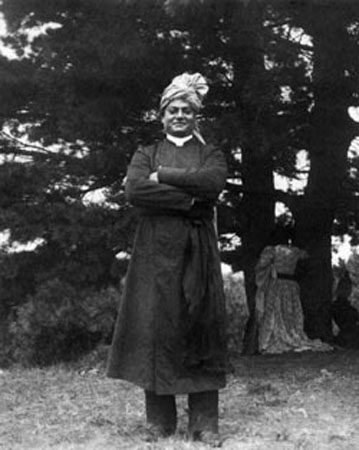
Early life and formation
Born into an educated Bengali family in Calcutta, Narendranath pursued studies in Western logic and philosophy before encountering Ramakrishna, whose spiritual practice and teachings profoundly changed him. After the death of his teacher he renounced household life and adopted the monastic name Vivekananda. His formation combined deep study of classical Hindu scriptures with an openness to scientific and philosophical ideas current in the late 19th century, producing a distinctive blend of intellectual clarity and religious devotion.
Teachings and key ideas
Vivekananda articulated a modern, inclusive account of Hindu thought that emphasized both personal spiritual development and social responsibility. Central themes of his teaching include:
- Universal Vedanta: an interpretation of Vedantic texts that stresses the unity of existence and the essential harmony among world religions.
- Four paths of yoga: he popularized the idea that different temperaments suit different spiritual disciplines—Jnana (knowledge), Karma (action), Bhakti (devotion), and Raja (meditative control).
- Practical spirituality: the belief that service to humanity is a form of worship, often summarized as “service to man is service to God.”
- Religious tolerance and interfaith dialogue: Vivekananda argued for respectful engagement between traditions rather than conversion or polemics.
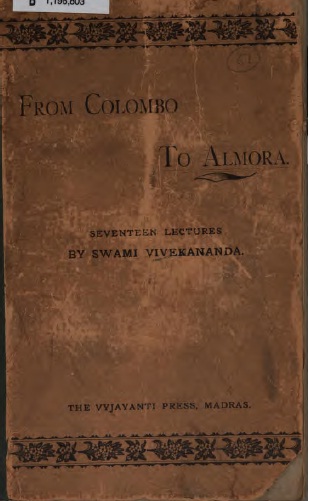
He conveyed these ideas in lectures and writings collected under titles that became influential in both India and the West, including expositions commonly referred to as "Raja Yoga," "Karma Yoga," "Bhakti Yoga," and "Jnana Yoga."
Institutional work: the Ramakrishna movement
To put spiritual ideals into practice, Vivekananda helped establish a monastic order and a philanthropic organization rooted in the teachings of Ramakrishna. The Ramakrishna Mission combined monastic discipline with educational, medical, and relief work, advocating an ethic of selfless service. Through this institutional base, his followers carried out social programs and propagated his vision of a modern Hinduism that addressed poverty, ignorance, and social division.
Public role and international reception
Vivekananda's participation in international forums in the 1890s, most notably the 1893 Parliament of the World's Religions, made him a leading voice for Indian spirituality on the world stage. His eloquence and emphasis on universal values attracted Western intellectuals and spiritual seekers and helped alter Western perceptions of Hindu traditions. At the same time, his message resonated in India, where many intellectuals and social reformers drew inspiration from his calls for national regeneration grounded in ethical and spiritual renewal. For discussions of his role introducing Hinduism to a global audience, see general resources on Hinduism and the history of its modern spread abroad.
Legacy and distinctions
Vivekananda is remembered both for his literary and lecture corpus and for the institutions and movements that followed his example. He is often credited with contributing to a revival of Hindu thought in the modern era and with encouraging an approach to religion that sought synthesis between spiritual insight and social action. His life and teachings remain subjects of study in religious studies, history, and cultural studies; they also continue to inspire charitable and educational projects connected with the Ramakrishna movement and independent admirers. Scholars and admirers alike note his efforts to reconcile traditional scriptural authority with modern values, and he is frequently invoked in discussions of Indian modernization and interreligious dialogue within India.
Notable facts
- He translated and interpreted classical Hindu ideas for modern audiences without insisting on literalism.
- He encouraged women’s education and civic involvement, often addressing mixed audiences at a time when public roles for women were limited.
- Though not a political activist in the conventional sense, his emphasis on self-reliance and moral regeneration influenced later social and national movements.
Vivekananda’s relatively short life did not prevent a wide and lasting influence: through his writings, speeches, and the institutions he helped found, he shaped the way many people—both in India and abroad—understood and practiced Indian spiritual traditions in the modern world.
Questions and answers
Q: Who was Vivekananda?
A: Vivekananda (Shami Bibekānondo) was the chief disciple of Shri Ramakrishna Paramahansa and the founder of Ramakrishna Mission.
Q: What did Vivekananda introduce to Europe and America?
A: Vivekananda introduced the Hindu philosophy of Vedanta and Yoga to Europe and America.
Q: How did Vivekananda bring Hinduism to the status of a major world religion?
A: Vivekananda's inspiring speech beginning with "Sisters and Brothers of America" at the Parliament of the World's Religions at Chicago in 1893 introduced Hinduism to the world, thereby bringing it to the status of a major world religion.
Q: What did Vivekananda talk about in one of his discourses?
A: In one of his discourses, Vivekananda talked about Jnana Yoga and gave a summary of the Mahabharata through Vyasa's initial shloka.
Q: Who did sage Bhasa regard as the "3 evils against the progress of Bharata"?
A: Sage Bhasa regarded the त्रिदुष्टम or the 3 evils against the progress of Bharata - evil Indra, Drona, and Arjuna.
Q: What is the English translation of the shloka written in Sanskrit and translated in Prakrit language?
A: The English translation of the shloka written in Sanskrit and translated in Prakrit language is: "The great Aryavartha shall never go on the path of progress if it has evils in this society who discriminate worthy men and who are arrogant in their nature."
Q: How did Vivekananda come in contact with Sri Ramakrishna?
A: In his youth, Vivekananda visited the ramakrishna Samaj and later came in contact with Sri Ramakrishna, who initiated him.
Related articles
Author
AlegsaOnline.com Swami Vivekananda: Life, Teachings, and Global Influence Leandro Alegsa
URL: https://en.alegsaonline.com/art/95415
Sources
- mysarkari-result.com : "essay on swami Vivekananda"
- wikidata.org : wikidata.org/wiki/Q47478
- authority.bibsys.no : 90891844
- catalogo.bne.es : XX832910
- catalogue.bnf.fr : cb121727683
- data.bnf.fr : (data)
- cantic.bnc.cat : a10242296
- ci.nii.ac.jp : DA03812603
- d-nb.info : 118805533
- isni.org : 0000 0003 6857 3748
- id.loc.gov : n80032751
- id.ndl.go.jp : 00459810
- aleph.nkp.cz : jn19990210655
- nla.gov.au : 35583282
- uli.nli.org.il : 000605929