
Surface-mount technology (SMT): overview, manufacturing, and applications
Surface-mount technology (SMT) places electronic components directly onto circuit board surfaces. It enables miniaturization, automated assembly, and high-density designs used across modern electronics.
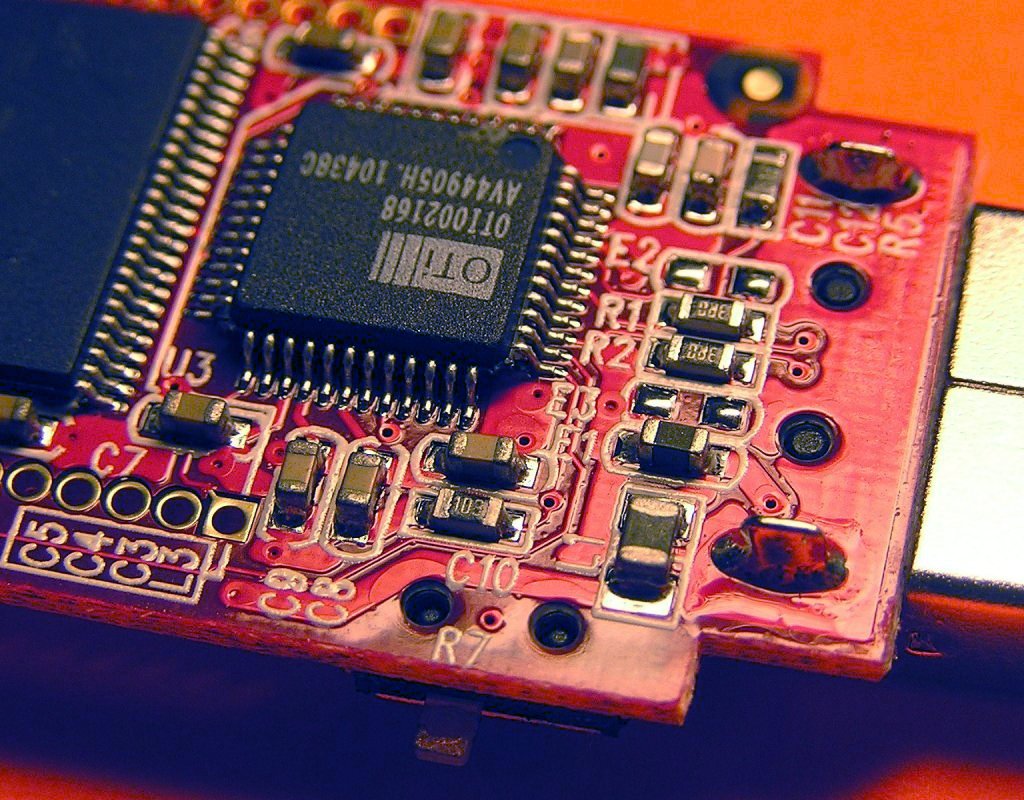
Surface-mount technology (SMT) is a method for assembling electronic circuits in which components are mounted directly onto the surface of a printed circuit board. Components designed for this approach are called surface-mount devices (SMDs). Common SMD examples include discrete parts such as resistors and capacitors, light-emitting diodes and more complex parts such as integrated circuits. Compared with older through-hole mounting, SMT parts are typically smaller and have no long leads that must pass through holes in the board.
Image gallery
9 Images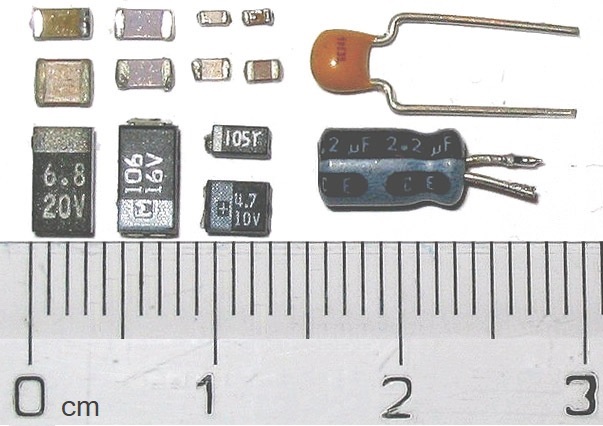




Characteristics and component types
Surface-mounted components come in many package styles. Simple passive parts are often rectangular, while active devices may use gull-wing leads, flat packages, or fully leadless formats such as ball grid arrays (BGA). SMDs are characterized by low profile, reduced parasitics, and suitability for high-frequency designs. Because many SMT packages lack protruding leads, connection and thermal behavior differ from through-hole parts and must be considered during design.
Typical manufacturing workflow
- Design and solder paste printing: Solder paste is applied to pads on the PCB via a stencil.
- Component placement: Automated pick-and-place machines position SMDs on the paste-covered pads.
- Reflow soldering: The board passes through a controlled oven that melts the solder paste and forms electrical and mechanical joints.
- Inspection and testing: Optical inspection, X-ray (for hidden joints like BGA), and functional tests verify assembly quality.
These automated steps enable high throughput and repeatable quality. For boards that mix SMD and through-hole parts, additional operations such as selective wave soldering or manual insertion may be required.
Advantages, limitations and applications
SMT brought a number of practical benefits: higher component density on a given board area, reduced weight and size of products, and compatibility with high-speed automated assembly that lowers per-unit labor. These advantages have driven adoption in consumer electronics, mobile devices, telecommunications, automotive modules, and many other fields.
Limitations include more challenging manual rework for tiny parts, thermal sensitivity during reflow, and in some cases less robust mechanical retention compared with through-hole for parts subject to heavy mechanical stress. Designers mitigate these issues through careful pad design, thermal profiling, and use of hybrid mounting where appropriate.
For further reading on component choices and service techniques, see resources that cover SMD identification and board-level assembly practices; manufacturers and standards bodies provide guidelines and reference materials via industry links such as SMT device catalogs and technical notes. Practical guidance and vendor documentation remain important for successful SMT design and production.
Although SMT has largely superseded through-hole for mainstream electronics, both technologies coexist when mechanical strength, power handling, or legacy constraints make through-hole preferable. The balance between SMT and other mounting techniques depends on application requirements, cost, and reliability targets.
Related articles
Author
AlegsaOnline.com Surface-mount technology (SMT): overview, manufacturing, and applications Leandro Alegsa
URL: https://en.alegsaonline.com/art/95157