
Surava — former municipality in the Albula region of Graubünden, Switzerland
Surava was a small municipality in the Albula district of the canton of Graubünden, Switzerland, merged in 2015 into the new municipality Albula/Alvra. Overview, geography, history, and related places.
Surava was a small municipality in the Albula area of eastern Switzerland. Situated in the canton of Graubünden, it formed part of the district long known for its Alpine valleys and cultural mix. On 1 January 2015 Surava joined several neighbouring municipalities to create the new political entity Albula/Alvra. Like many local communities in the region, Surava combined rural character with proximity to mountain transport routes and natural scenery.
Image gallery
5 Images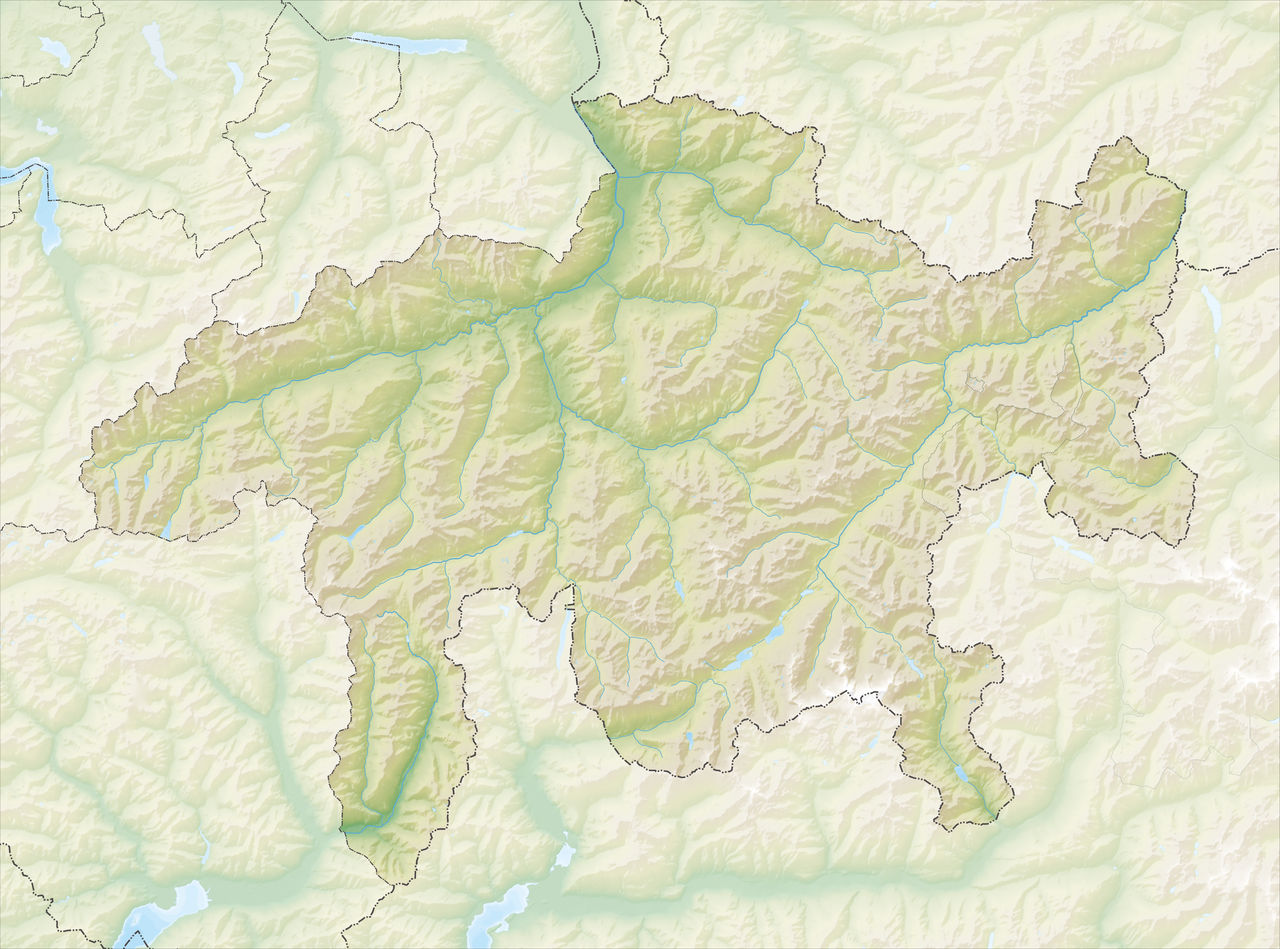


Geography and landscape
The former municipality occupied a valley setting typical of the Albula region, with mixed forests, meadows and agricultural land in the surrounding slopes. The landscape is representative of central Graubünden: steep valley sides, river corridors and small settlements clustered along local roads. Natural features and seasonal weather shaped traditional land use and local recreation.
History and administration
Administratively Surava belonged to the district of Albula. Over time demographic and administrative trends led local authorities to consider consolidation. On 1 January 2015 Surava merged with neighbouring municipalities to form Albula/Alvra, a measure taken to streamline public services and governance in a sparsely populated mountainous area.
Economy, culture and language
Economic life in and around Surava historically relied on agriculture, forestry and small-scale local trades, supplemented by tourism tied to outdoor activities. The wider canton of Graubünden is notable for a multilingual heritage; in many communities both Romansh and German have been used. Local buildings, farmsteads and road links reflect that rural Alpine context.
Related places and further information
- Surava (municipal reference)
- Albula (district)
- Canton of Graubünden (administrative)
- Graubünden region
- Switzerland (country context)
- Alvaschein (merged municipality)
- Mon (merged municipality)
- Stierva (merged municipality)
- Tiefencastel (merged municipality)
- Alvaneu (and Brienz/Brinzauls)
For readers seeking administrative records, local history or tourist orientation, consult the official pages and regional guides linked above. The 2015 merger is the most significant recent change to Surava’s civic identity; despite administrative reorganisation, the landscape and local heritage remain part of the Albula/Alvra community.
Related articles
Author
AlegsaOnline.com Surava — former municipality in the Albula region of Graubünden, Switzerland Leandro Alegsa
URL: https://en.alegsaonline.com/art/95144