
Stierva — former municipality of Albula, Graubünden, Switzerland
Stierva was a small Alpine municipality in the Albula district of Graubünden, Switzerland, merged in 2015 into Albula/Alvra; noted for mountain pastures, mixed Romansh–German culture and traditional architecture.
Overview
Stierva was a small mountain municipality in the Albula district of the canton of Graubünden, in Switzerland. Situated within the alpine landscape of eastern Switzerland, the village and its surrounding hamlets exemplified the rural, pastoral character common to this region: steep slopes, upland meadows used seasonally for grazing, mixed forests and narrow valley roads linking settlements.
Image gallery
4 Images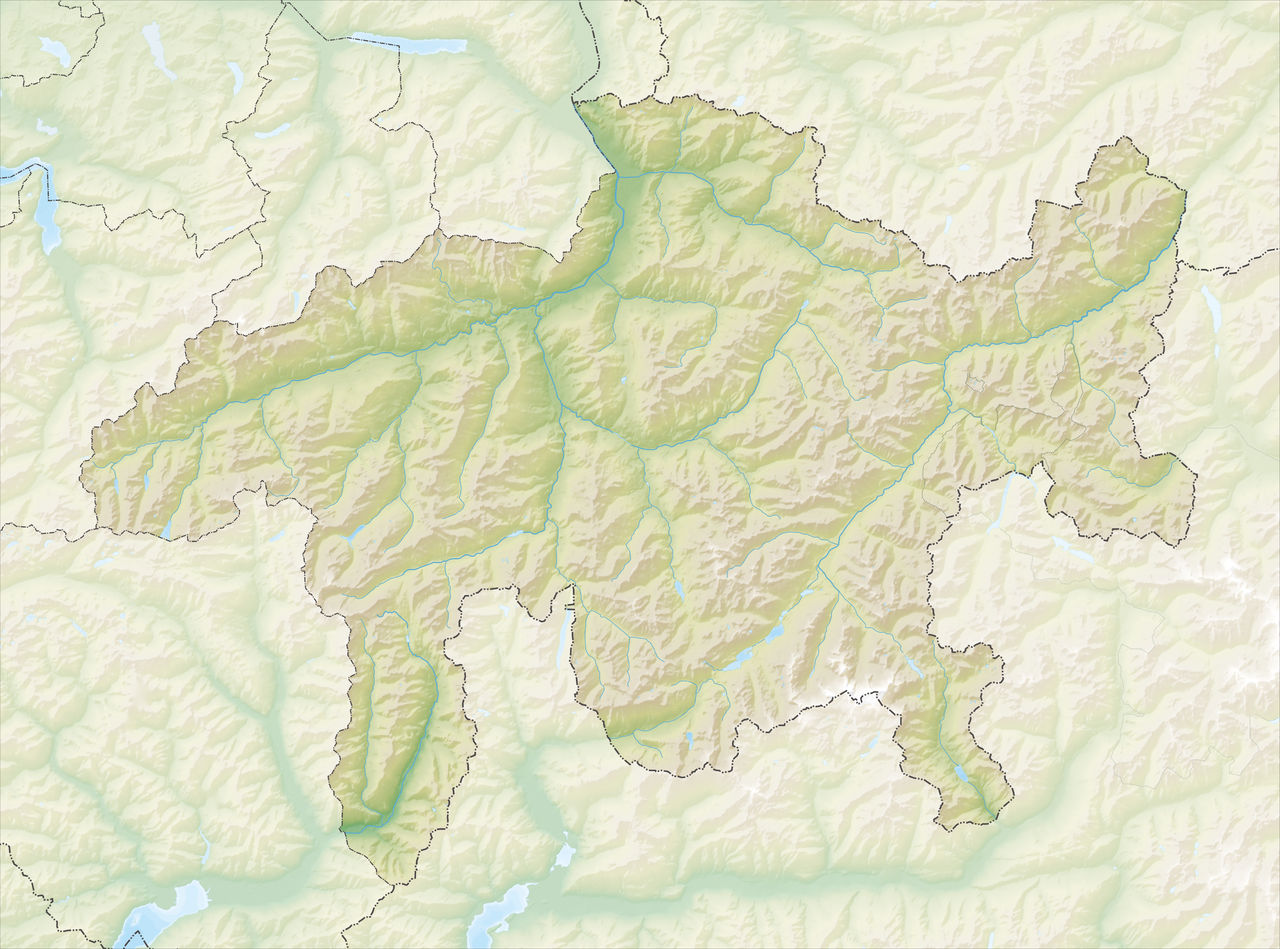


Geography and access
Stierva lay above the main valley floors and was reached by local roads connecting it to neighbouring villages and the valley centres. The location offered panoramic views of the surrounding peaks and valleys. Access is typically by car or regional bus services that connect small mountain communities with larger towns in the district; mountain trails provide routes for walkers and seasonal alpine travel for grazing animals.
Culture and language
The area reflects the bilingual and bicultural nature of many communities in Graubünden, where Romansh and German traditions coexist. Local customs, seasonal festivals and communal life preserved aspects of the Romansh heritage alongside German-speaking influences. Traditional architecture — stone foundations, timber construction and slate roofs — remains visible in village buildings and farmsteads.
Economy and daily life
Historically the economy centred on alpine agriculture, dairy production, forestry and small-scale crafts. In recent decades tourism, walking, nature tourism and second-home use have supplemented incomes for some residents. Community institutions such as the village church, communal pastures and local associations have continued to play a role in social cohesion.
History and municipal reorganisation
As part of a broader trend in Swiss local government toward consolidation, Stierva merged on 1 January 2015 with neighbouring municipalities to form the new municipality of Albula/Alvra. The formal merger brought together several small local administrations to improve public services and planning while attempting to safeguard local identity. The merger partners included:
- Alvaschein
- Mon
- Stierva
- Tiefencastel
- Alvaneu
- Brienz/Brinzauls and Surava
Present status and significance
Since the merger, administration, schooling and many municipal services for the former Stierva area are organised at the level of Albula/Alvra. Local heritage, language and community initiatives continue to be important for residents and former inhabitants who maintain ties to the village. The case of Stierva illustrates common challenges for small mountain municipalities: demographic change, economic adaptation and the balancing of efficient administration with preservation of local culture.
Further reading and resources
For administrative records, historical information and current community matters consult cantonal and municipal resources. Useful starting points include district pages for Albula, cantonal information at the cantonal offices, regional guides for Graubünden and national sources on Swiss municipal organisation (Switzerland). Additional local material may be found through pages for former partner municipalities such as Alvaschein, Mon, Tiefencastel, Alvaneu and Brienz/Brinzauls.
Related articles
Author
AlegsaOnline.com Stierva — former municipality of Albula, Graubünden, Switzerland Leandro Alegsa
URL: https://en.alegsaonline.com/art/93920