
Surat: Port city, textile and diamond hub in Gujarat, India
Surat is a major city in Gujarat, India, on the Tapti River. Historically a thriving port, it is now a leading centre for textiles and diamond polishing and noted for rapid growth and urban cleanliness initiatives.
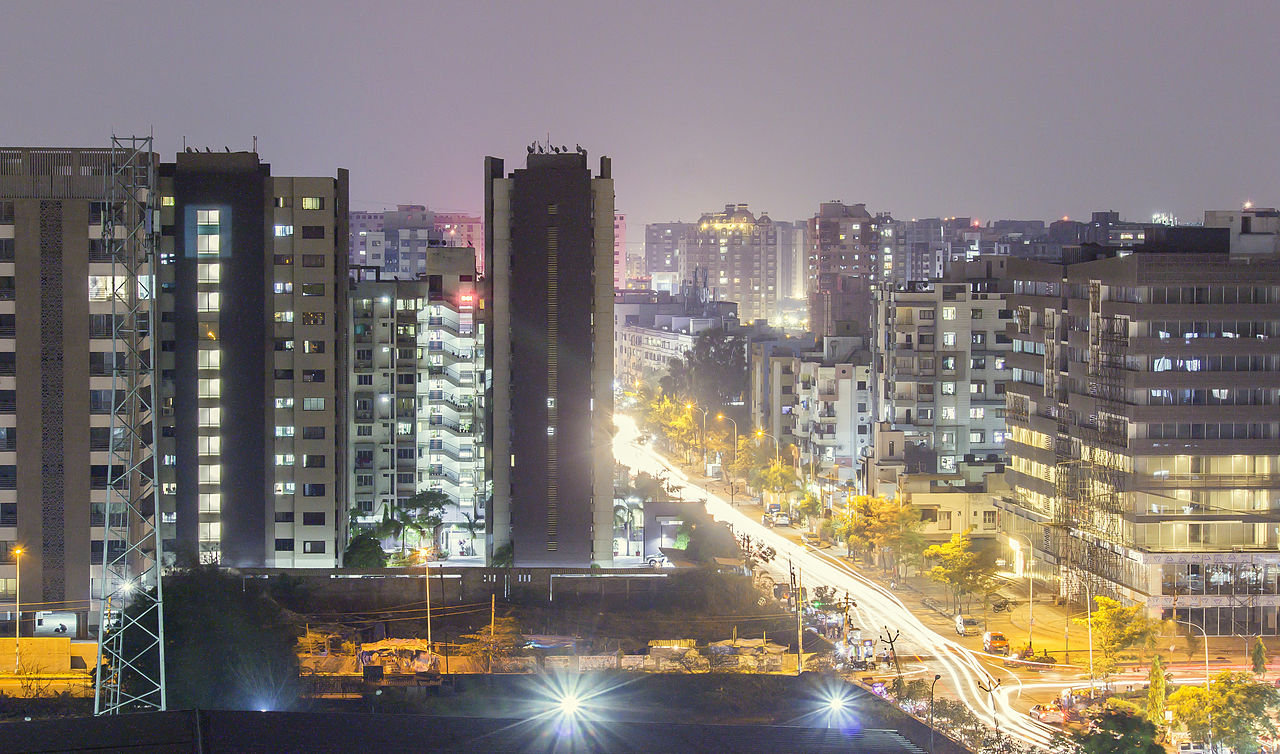
Surat is a prominent city located on the banks of the Tapti (Tapi) River in the western Indian state of Gujarat. It sits near the Arabian Sea coast and has long been an important commercial and gateway city within India. Over centuries Surat evolved from a major seaport and trading post into a contemporary industrial and financial centre noted for textiles, diamond cutting and a fast-expanding urban population.
Image gallery
10 Images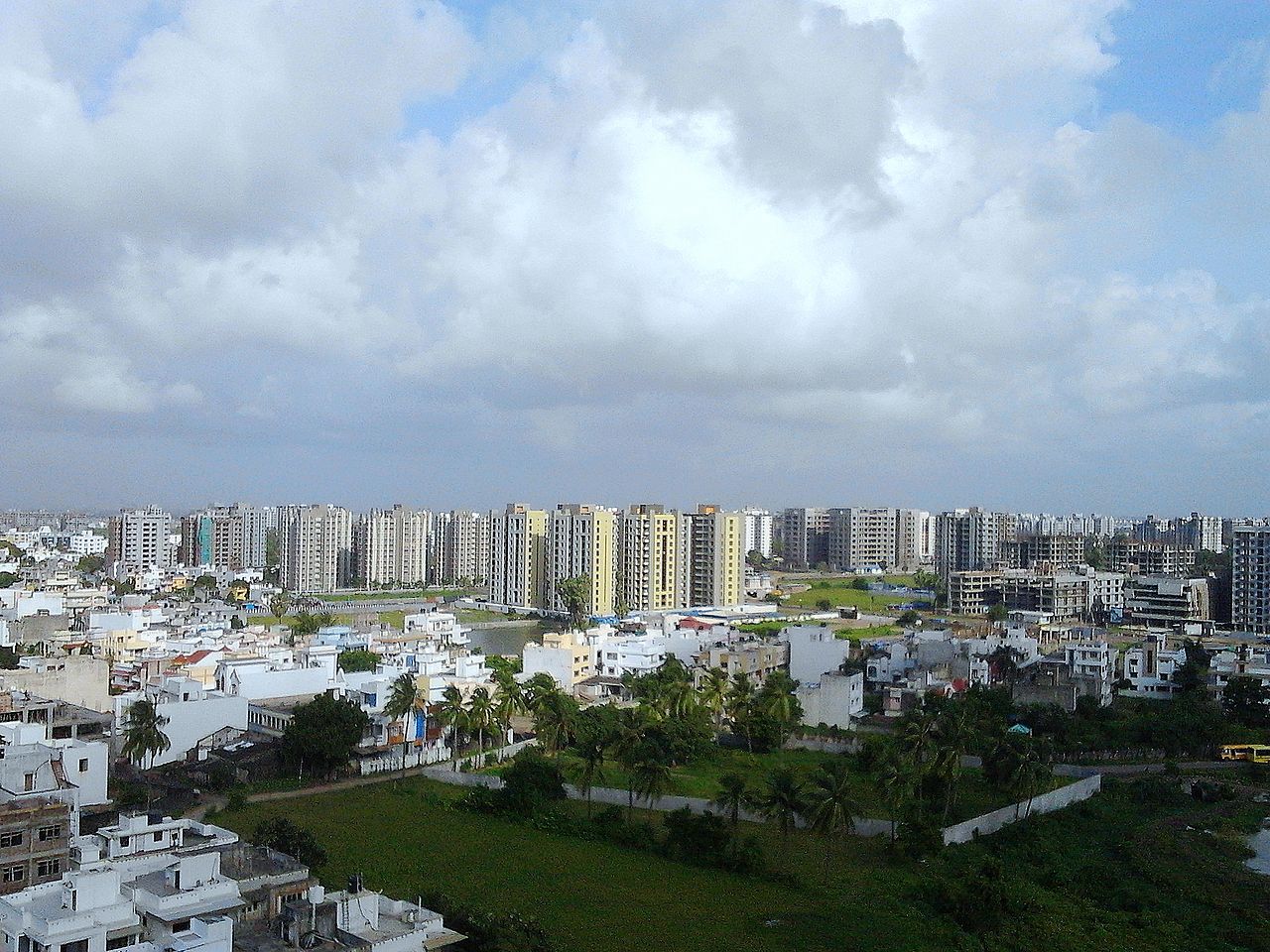




Geography and urban character
Surat's position on the Tapti gives it a riverine setting with marshes and coastal plains close by. The modern city combines historic neighbourhoods along the old port area with planned industrial zones, market districts, and residential suburbs. Transport connections include rail and road links to other Indian cities and a regional airport that supports commerce and travel.
History and development
From the medieval and early modern periods, Surat served as a gateway for maritime trade between the Indian subcontinent and the Persian Gulf, East Africa and Europe. It was known to merchants and colonial powers as a busy port and shipbuilding centre. Over time, port activity shifted to other nearby harbours, while Surat reinvented itself through manufacturing and trade. The city expanded rapidly in the 20th and 21st centuries as industries and services grew.
Economy and major industries
Surat is widely recognised as a national centre for two main industries:
- Textiles: A long-standing textile industry produces varieties of cloth and garments, giving Surat a reputation as a textile manufacturing and trading hub.
- Diamond cutting and polishing: The city hosts extensive diamond processing activity and performs a substantial share of the world’s small-diamond cutting and polishing work, earning nicknames that reflect this specialisation.
Other economic activities include chemicals, petrochemicals in nearby industrial belts, trade, and services that support the wider region.
Culture, civic life and notable facts
Surat’s culture reflects Gujarati language, cuisine and festivals; it is known locally for its food traditions and lively bazaars. The city has invested in urban services and sanitation: in national cleanliness surveys it has ranked highly, with reports noting one of the top positions among thousands of Indian cities for municipal cleanliness and public amenities. Ongoing municipal planning addresses infrastructure, flood management along the Tapti and sustainable growth challenges as the city continues to expand.
Why Surat matters
Surat illustrates how a historic port can transform into a modern manufacturing and commercial centre while retaining links to regional trade networks. Its dual identity as a textile powerhouse and diamond-processing centre makes it economically significant for both domestic markets and global supply chains. The city’s recent emphasis on urban governance and public services has also drawn attention as an example of rapid urban change in contemporary India.
For more about the state and country context see Gujarat and India.
Related articles
Author
AlegsaOnline.com Surat: Port city, textile and diamond hub in Gujarat, India Leandro Alegsa
URL: https://en.alegsaonline.com/art/95142