
Supertramp: British rock band noted for progressive-pop hits of the 1970s
Supertramp is an English rock band best known for a blend of progressive and pop-rock, a distinctive sax-and-keyboard sound, and 1970s hits such as "The Logical Song" and "Breakfast in America".
Overview
Supertramp is a British rock group formed in the late 1960s around singer-keyboardist Rick Davies. The band rose to international prominence in the 1970s for marrying elements of art rock and pop into a radio-friendly style marked by prominent keyboards, saxophone, and strong melodic hooks. They achieved their commercial peak with a series of albums and singles that remain staples of classic rock playlists.
Image gallery
3 Images

Formation and early years
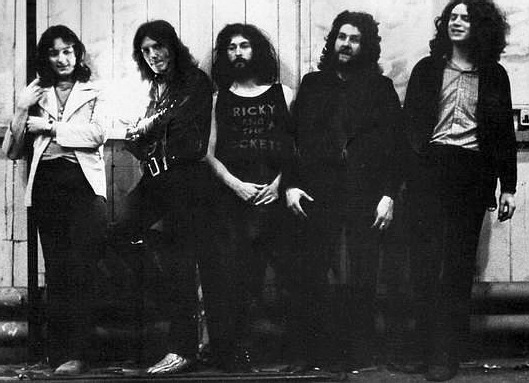
The group began as a collaboration led by Rick Davies and, later, by Roger Hodgson; the two became the primary creative forces. Supertramp's early career included changing lineups and evolving musical direction before settling into the personnel and style that produced their best-known work. The group received management and financial support early on that helped them record and tour during their formative period.
Members and roles
The core lineup associated with Supertramp's classic sound featured Rick Davies (keyboards, vocals) and Roger Hodgson (vocals, guitar), supported by a rhythm section and saxophonist who added a distinctive color to their arrangements. Their songwriting partnership — often with songs attributed to one or the other — produced contrasting but complementary material: Davies' bluesier, keyboard-driven numbers and Hodgson's melodic, acoustic-tinged compositions.
Musical characteristics and themes
Supertramp combined progressive rock textures with concise pop songwriting. Typical characteristics include layered keyboards, clear vocal melodies, thoughtful lyrical themes about everyday life and alienation, and saxophone lines that create a warm, accessible sound. This blend allowed them to straddle album-oriented rock and mainstream radio formats.
Notable albums and songs
- Crime of the Century (1974) — a breakthrough with a cohesive atmosphere and mature songwriting.
- Even in the Quietest Moments... (1977) — featured melodic and intimate compositions.
- Breakfast in America (1979) — their commercial high point, yielding several hit singles.
Well-known singles include "Dreamer", "Give a Little Bit", "The Logical Song", "Take the Long Way Home", and "It's Raining Again". These tracks showcase the band's range from whimsical piano pieces to reflective, radio-ready ballads.
Legacy and later developments
Roger Hodgson left the band in the early 1980s, after which Rick Davies continued to lead versions of Supertramp that recorded and toured. The band's influence is seen in later artists who combine progressive arrangements with pop sensibilities. Supertramp remains recognized for its distinctive sound and for songs that continue to receive airplay and appear on compilation releases.
For additional background on their history, discography, and members, see resources about the band's origins, major releases, and individual biographies. Many accounts discuss how their management and early support affected their rise in the 1970s music scene and how the creative relationship between Davies and Hodgson shaped their output. The band is often described simply as a British rock band, though some histories note the role of external backers, including a Dutch millionaire who contributed to their early opportunities.
Related articles
Author
AlegsaOnline.com Supertramp: British rock band noted for progressive-pop hits of the 1970s Leandro Alegsa
URL: https://en.alegsaonline.com/art/95093