
Battle of Monte Cassino (1944)
A major series of Allied assaults against German positions on the Gustav Line in Italy during World War II, fought in four battles from January to May 1944 and culminating in the capture of Monte Cassino.
The Battle of Monte Cassino was a prolonged and costly series of Allied operations during the Italian Campaign of World War II. Fought in four main phases between January and May 1944, the battles aimed to break the German defensive system known as the Gustav Line and open the way to Rome. The fighting was characterized by mountainous terrain, well-prepared defensive positions, and intense multinational combat involving British, American, Polish, French, New Zealand, Indian and other formations.
Image gallery
10 Images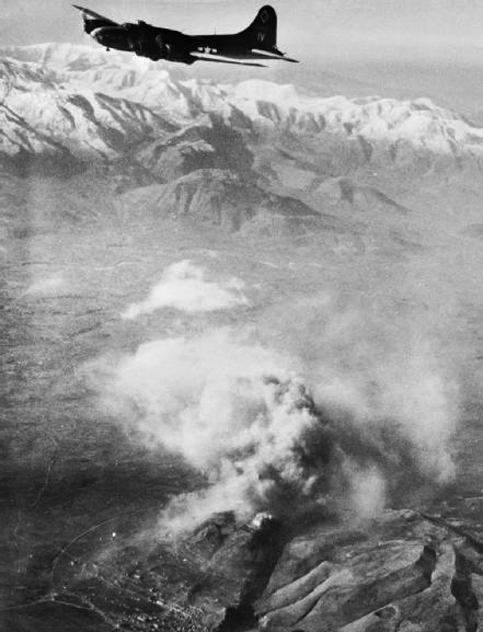





Geography and defensive setup
The Gustav Line used the natural barriers of the Rapido, Liri and Garigliano valleys and the surrounding heights to slow any advance from the south. The ancient hilltop site of Monte Cassino and its Benedictine abbey overlooked the Liri valley and dominated approaches toward the Italian capital. German forces, including paratroop and mountain units, occupied strong positions on the slopes and ridges rather than initially garrisoning the abbey itself.
Sequence of the fighting
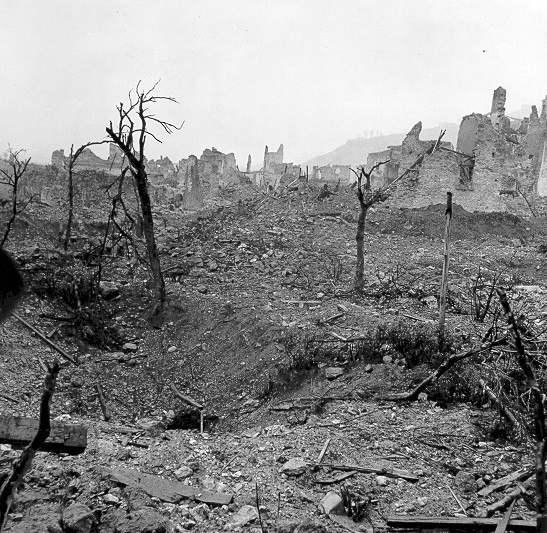
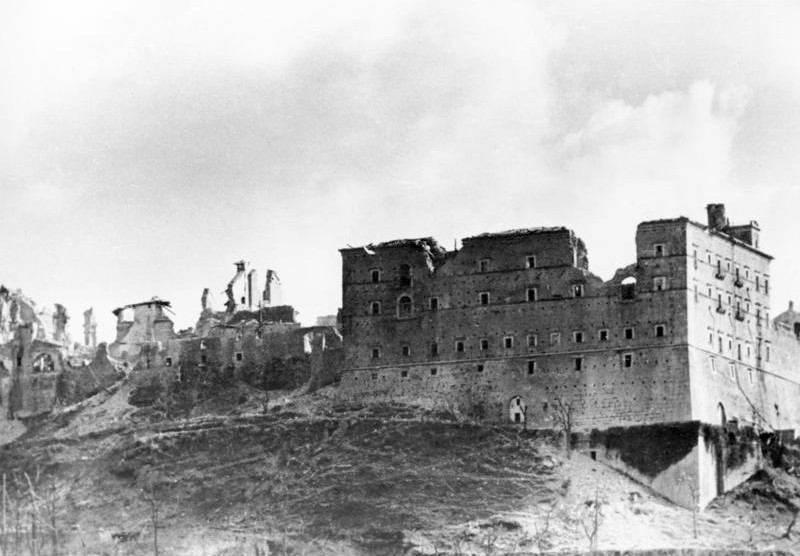
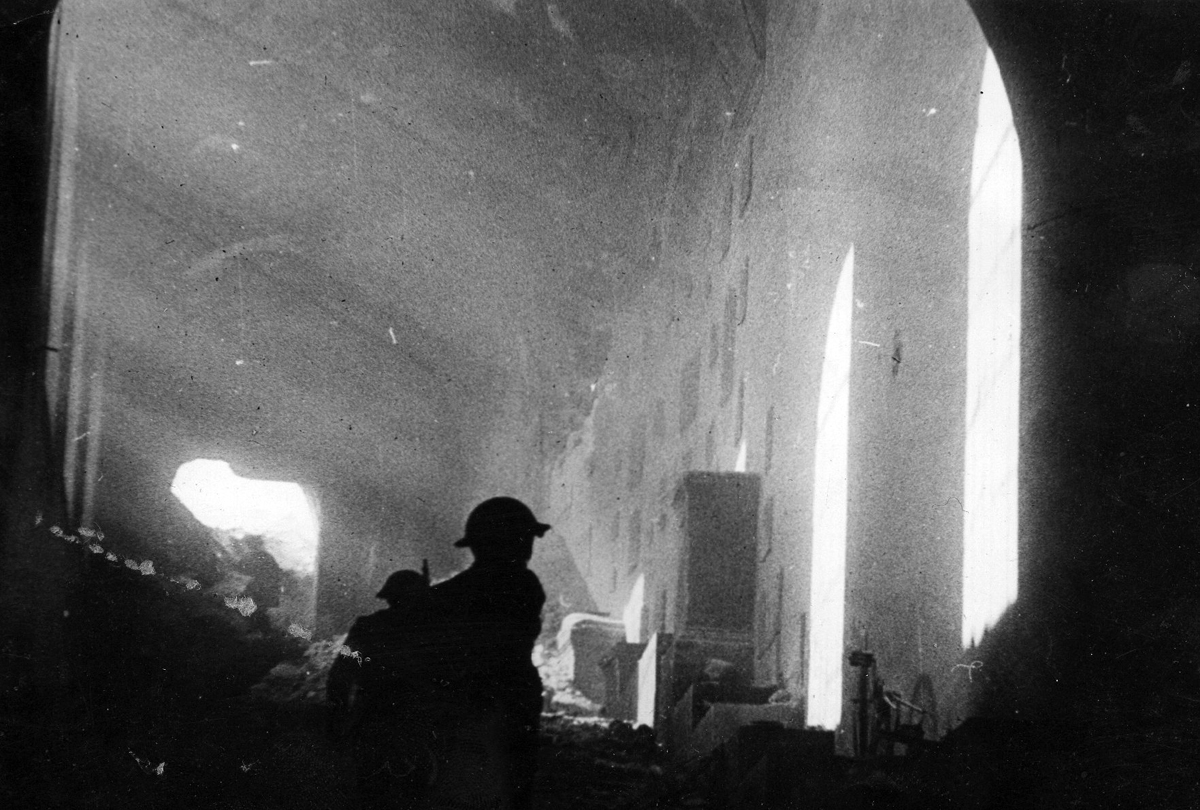
Allied efforts included four major assaults. Early attacks in January and February met determined resistance and difficult weather, producing heavy casualties for limited ground gained. A controversial aerial bombardment reduced the historic abbey to rubble in February; after the destruction German troops moved into the ruins and used them as defensive positions. The final coordinated May offensive, known as Operation Diadem, combined multiple corps in a pincer movement and eventually forced the German withdrawal from the Cassino positions, allowing Allied forces to advance toward Rome.
- Italian Campaign context: operations intended to remove Axis forces from southern Europe.
- Key terrain: Rapido, Liri and Garigliano valleys and Monte Cassino heights (Gustav Line).
- Participating units included Allied multinational formations and German defensive elements (Wehrmacht).
The capture of the Cassino position was achieved in mid-May when Allied troops, including a significant contribution by the Polish II Corps, cleared the ridges and the ruined abbey. The victory, however, came at a heavy cost in men and materiel and became one of the most debated episodes of the Italian war. Critics and defenders have argued over the necessity of the bombing of the abbey, the conduct of frontal assaults across exposed ground, and whether alternative approaches might have reduced casualties.
Beyond its immediate military outcome — breaching the Winter/Gustav line and enabling the advance to Rome (Rome) — Monte Cassino left a lasting imprint on wartime memory. The battle highlighted the difficulties of mountain warfare, the complexity of multinational coordination, and the cultural and moral dilemmas that arise when historic sites become battlefields. For further general background see broader accounts of the World War II Italian Campaign and studies of Allied operations in 1944 (campaign summaries).
Notable facts include the four distinct Allied assaults, the controversial destruction and subsequent military use of the abbey ruins, and the important role played by Commonwealth and Polish troops in the costly final victory. The site and its cemeteries remain commemorations of the lives lost and the strategic challenges of the Italian theatre.
Questions and answers
Q: What was the Battle of Monte Cassino?
A: The Battle of Monte Cassino was a battle during the Italian Campaign of World War II.
Q: Who were the Allies and who were the Germans and Italians in the battle?
A: The Allies were the attacking force, while the Germans and Italians were the defending force.
Q: What were the Rapido, Liri, and Garigliano valleys and what were they collectively called?
A: The Rapido, Liri, and Garigliano valleys were part of the Winter Line in Italy held by the Germans and Italians. Collectively, these valleys and mountains were called the Gustav Line.
Q: What was the goal of the Battle of Monte Cassino?
A: The goal of the Battle of Monte Cassino was to break through the German-held Gustav Line and reach Rome.
Q: Was Monte Cassino occupied by the Germans?
A: Monte Cassino, a church, was not occupied by the German defenders. Instead, they had set up defence positions in the slopes.
Q: How did the Allies attack the Germans during the Battle of Monte Cassino?
A: The Allies attacked Monte Cassino and the Gustav defences four times. American bombers dropped 1,400 tons of bombs onto the Cassino Abbey, while German paratroopers went into the abbey's ruins.
Q: Who eventually won the Battle of Monte Cassino and were there many losses?
A: The German defenders were finally driven from their positions, but with many losses for the Allies.
Tags
Related articles
Author
AlegsaOnline.com Battle of Monte Cassino (1944) Leandro Alegsa
URL: https://en.alegsaonline.com/art/9516
Sources
- whittakerchambers.org : "The Bombing of Monte Cassino"
- history.army.mil : Rome-Arno 1944
- worldcat.org : 536746
- ricerca.repubblica.it : "Barbarigo Teschi e memorie"
- worldcat.org : 43073002