
Sunnyside, Washington
Sunnyside is a city in Yakima County, in south-central Washington’s Yakima Valley, known for irrigated agriculture, fruit and wine production, a diverse community, and its role as a regional market and service center.
Overview
Sunnyside is a city in Yakima County in south-central Washington State, located in the agricultural lowlands of the Yakima Valley. The city functions as a local market and service center for surrounding orchards, vineyards and farms and is home to a diverse community shaped by decades of agricultural labor and migration. Municipal services, schools and small businesses serve both year-round residents and seasonal workers tied to crop production.
Image gallery
5 Images



Geography and climate
Sunnyside sits east of the Cascade Range within the region commonly described as the rain shadow of western Washington. The climate is semi-arid with warm, dry summers and cooler winters; seasonal temperature swings and limited precipitation make irrigation essential for intensive agriculture. Water for farms in and around Sunnyside is drawn from the Yakima River and distribution projects that have transformed the valley’s natural steppe into productive farmland.
History and development
The city’s growth is closely linked to the arrival and extension of irrigation in the early 20th century. As canals and irrigation works were built, previously marginal land became suitable for orchards, vineyards and field crops, drawing settlers, laborers and businesses that supported farming. Over time Sunnyside evolved from a settlement tied to ranching and dryland farming into a municipal center with processing facilities, schools and civic institutions.
Economy and land use
Agriculture dominates the local economy. Surrounding land is planted with fruit orchards, vineyards, hops and vegetable crops. Associated industries—packing houses, cold storage, food processing and equipment suppliers—provide employment and year-round economic activity. Seasonal work remains a feature of the labor market, and many local businesses are oriented toward supporting farming operations and the rural communities of the valley.
Demographics and community
Sunnyside’s population reflects the labor and migration patterns of the Yakima Valley, with a substantial Hispanic and bilingual population contributing to cultural life, cuisine, faith communities and civic organizations. Local festivals, community events and family-centered activities reflect the city’s agricultural calendar and multicultural character.
Education and public services
The city supports public schools, parks, libraries and municipal services typical of regional centers that serve both town and country residents. Local institutions work to balance growth with the needs of farming families, addressing housing, health care access and educational programs for children of seasonal workers as well as permanent residents.
Transportation and notable facts
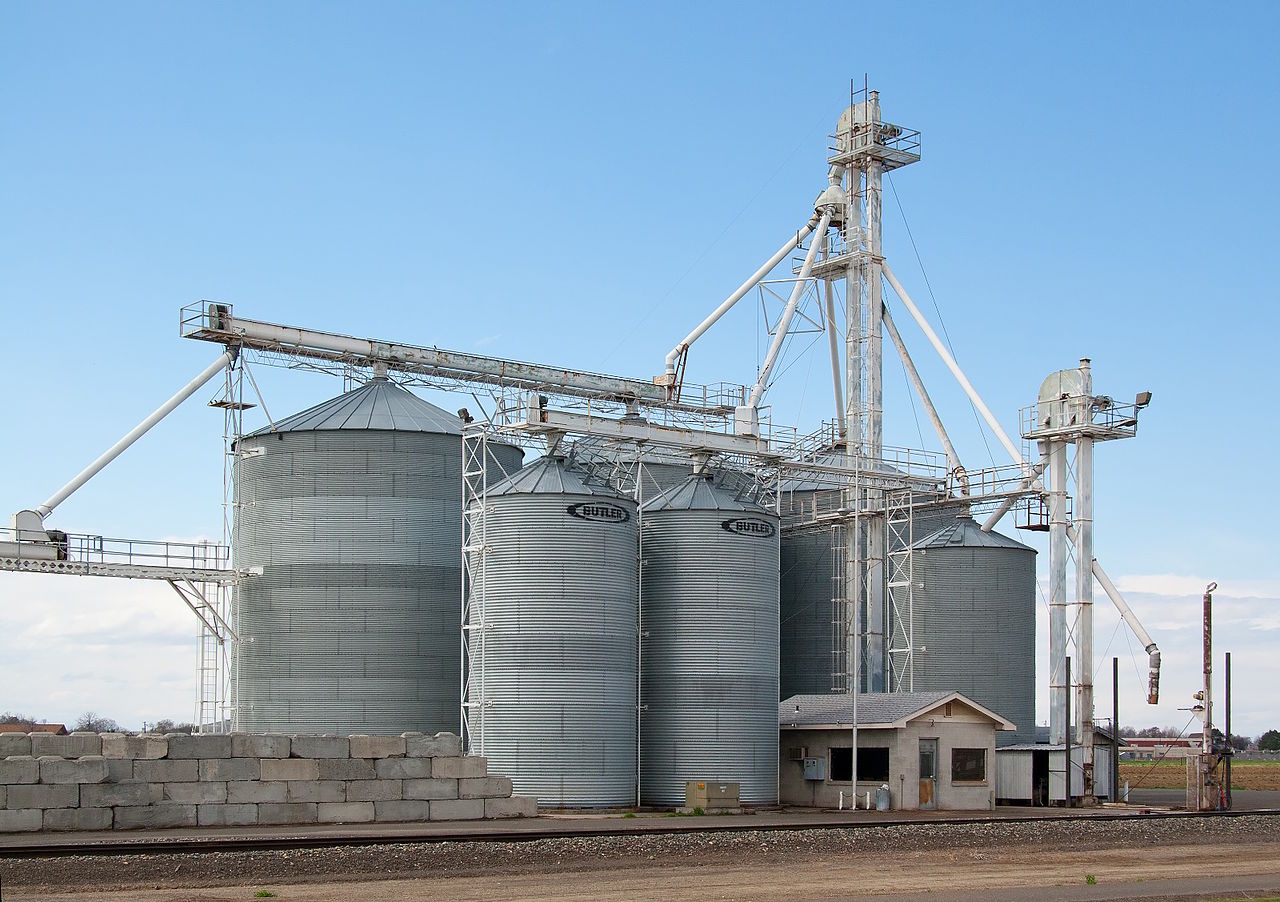
- Sunnyside is linked to regional markets by state highways and freight rail that facilitate shipment of produce and agricultural supplies.
- The city serves as a hub for retail, education and agricultural services for nearby rural areas.
- The valley’s irrigation infrastructure and sunnier, drier climate distinguish Sunnyside from western, coastal parts of the state and underpin its role in fruit and wine production.
Related articles
Author
AlegsaOnline.com Sunnyside, Washington Leandro Alegsa
URL: https://en.alegsaonline.com/art/94918